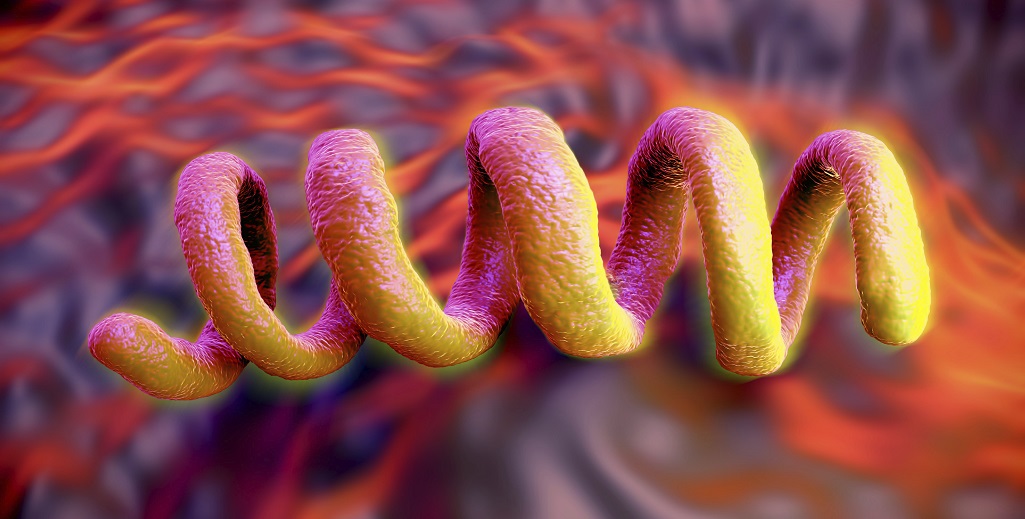
Syphilis is a sexually transmitted infection (STI) caused by the bacterium Treponema pallidum. It spreads through sexual contact, vaginal, anal, or oral sex, and direct skin-to-skin contact with a syphilis sore.
It can also be passed from a pregnant mother to her baby, leading to serious complications known as congenital syphilis. Not sure how to get safe, effective treatment? Consult Doctor Roseline Osazuwa online in Ghana, a specialist dermatologist, through DrDoGood for expert guidance today.
In this guide, we cover how syphilis affects your body, the stages and symptoms to watch out for, effective medical treatments, supportive home measures, and prevention tips relevant for people living in Ghana. You can ask a doctor online in Ghana to discuss symptoms or confirm a diagnosis.
To get accurate results or monitor your treatment, you can book a lab test with our partner facility, Marie Stopes Premier Clinic in Accra, and receive fast results with expert referral to a specialist doctor online in Ghana through DrDoGood.
How Do People Get Syphilis?
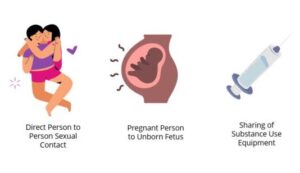
The most common transmission routes include:
-
Unprotected Sexual Contact: Direct contact during vaginal, anal, or oral sex with an infected person. Learn more about preventive healthcare tips to reduce risk.
- Skin-to-Skin Contact with a Chancre: Even without penetration, touching a sore on the genitals, mouth, or anus can transmit syphilis. You can consult a doctor online if you notice unusual sores.
- Mother-to-Baby Transmission (Congenital Syphilis): Pregnant women with untreated syphilis can pass the infection to their babies, causing severe complications. Expecting mothers should find a doctor in Ghana for prenatal care.
- Rare Blood Transmission: While uncommon due to strict screening, blood transfusions were historically a risk.
Important: Syphilis is not spread through casual contact like sharing food, hugging, or touching objects.
How Syphilis Affects the Body
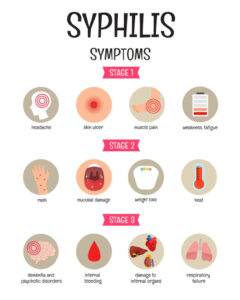
Syphilis can be a “silent” infection. Many people do not recognize the symptoms, which may be mild or mistaken for other conditions. Untreated syphilis can damage the brain, heart, and nervous system, potentially leading to serious health problems.
Stages of syphilis include:
-
Primary Stage: A painless sore (chancre) appears at the infection site.
-
Secondary Stage: Rash, fever, and flu-like symptoms occur as the bacteria spread.
-
Latent Stage: The infection becomes asymptomatic, sometimes lasting years.
-
Tertiary Stage: Severe complications arise, potentially affecting the brain, heart, nerves, and other organs.
Complications of untreated syphilis can include blindness, paralysis, mental illness, or death. You can start a consultation online if you suspect you’ve been exposed to syphilis.
How to Treat Syphilis in Ghana
Syphilis is completely curable with antibiotics. Treatment depends on the stage of infection:
First-Line Treatment: Penicillin Injections
-
Primary or Secondary Syphilis: One dose of Benzathine penicillin G (1.8 million units).
-
Latent Syphilis (infection >1 year): Three doses, one week apart.
-
Neurosyphilis: Requires a 10–14 day course of intravenous penicillin.
Note: Penicillin injections are deep intramuscular shots that may cause discomfort but are highly effective. You can book an appointment online with a licensed doctor in Ghana for treatment.
Second-Line Treatment
For patients allergic to penicillin:
-
Doxycycline (100 mg twice daily for 14–28 days)
-
Ceftriaxone (intramuscular injection for 10–14 days)
-
Azithromycin (single dose, resistance increasing)
Pregnant women allergic to penicillin may undergo supervised desensitization. Consult a specialist doctor in Ghana to ensure safe treatment for mother and baby.
Important: Misusing antibiotics can lead to resistance. Always follow a doctor’s guidance, consult Dr. Roseline Osazuwa online in Ghana, a specialist dermatologist for syphilis treatment, or Marie Stopes Premier Clinic to book accurate lab tests and get reliable results for safe, effective care.
What to Expect After Treatment
-
Symptom Improvement: Sores and rashes heal gradually over weeks to months.
-
Jarisch-Herxheimer Reaction: Some patients experience fever, chills, or muscle pain after starting treatment.
-
Follow-Up Testing: Repeat blood tests at 6, 12, and 24 months ensure the infection is cleared.
Reinfection is possible if a partner is untreated or unprotected sex occurs. Schedule a follow-up consultation online to track your recovery.
Supporting Recovery with Home Measures
While antibiotics are essential, the following measures can support healing:
-
Boost Your Immune System: Eat a balanced diet with fruits, vegetables, lean proteins, and vitamin C. Stay hydrated and get adequate sleep. Learn healthy diet tips for Ghanaians to support recovery.
-
Probiotics for Gut Health: Antibiotics can disrupt gut bacteria. Include yogurt, kefir, or supplements.
-
Herbal Support (with caution): Garlic, turmeric, and green tea may support immunity but cannot cure syphilis.
-
Stress Reduction & Rest: Meditation, deep breathing, light exercise, and avoiding stress can aid recovery. Use the DrDoGood App to track wellness and recovery.
Important: Home remedies are supportive only. Untreated syphilis can lead to organ damage or neurological complications.
Preventing Syphilis
Prevention is crucial in Ghana:
-
Use condoms or dental dams during sexual activity, though they don’t fully prevent transmission due to skin-to-skin contact.
-
Get regular STI testing. Book a lab test for syphilis at Marie Stopes Premier Clinic in Accra on DrDoGood.
-
Avoid sexual contact if you or your partner have symptoms such as sores or rashes.
-
Communicate openly with partners about STI testing.
-
Consider PrEP if at higher risk for HIV, which also reduces vulnerability to syphilis.
Final Thoughts
Syphilis is fully curable with the right antibiotics, but no home remedies or alternative treatments can replace medical care. Recovery is best supported by:
-
Taking all prescribed medications exactly as directed
-
Avoiding sexual activity until treatment is complete and testing confirms the infection is gone
-
Practicing safe sex and encouraging partners to get tested and treated
You can start a consultation online in Ghana today with DrDoGood, access specialist doctors , and download the DrDoGood App for 24/7 support and faster treatment without long queues.
Protect yourself and your loved ones by taking action now.
Additional Information
CDC Syphilis Treatment Guidelines
Planned Parenthood Syphilis Overview

Leave a Reply