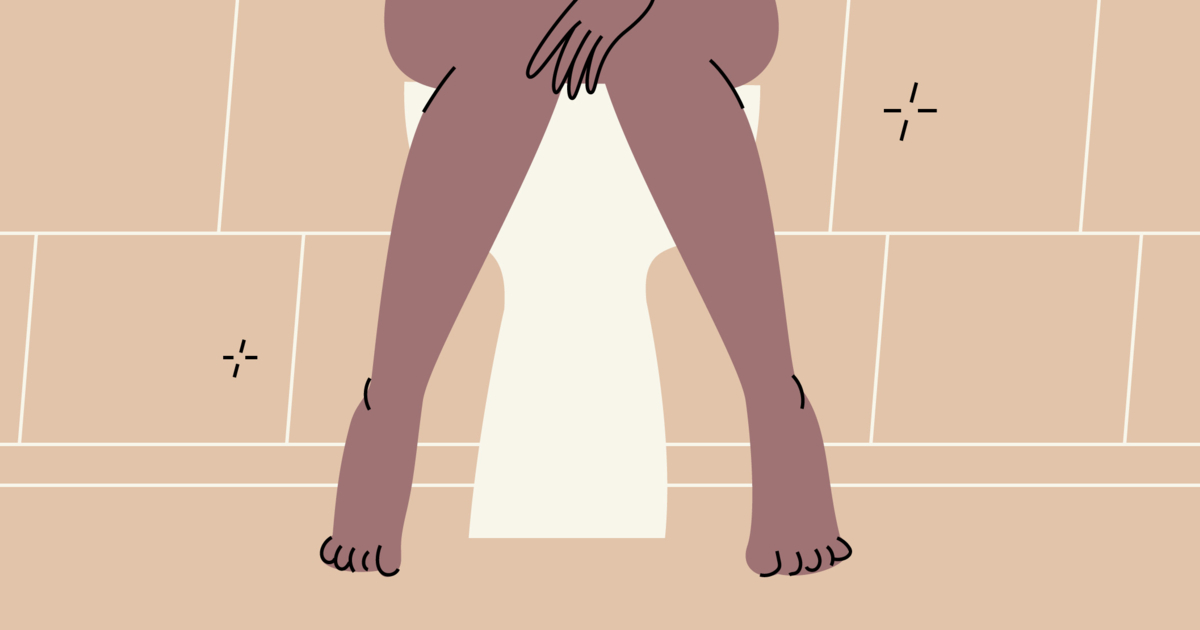
The short answer: Yes.
Let’s explore the why, the how, and the other things you can do to protect your health after intimacy.
Why Do People Say You Should Pee After Sex?
During sex, it’s normal for bacteria from the skin, anus, mouth, or hands to be introduced near the urethra—the tube that carries urine out of your body.
For women in particular, the urethra is very short (2.5 to 4cm) and close to the vaginal and anal openings. For men it’s about 15 to 20 cm. This makes it easier for bacteria to enter the bladder and cause a UTI in women.
Sexual activity is definitely a predisposing factor in urinary tract infections. However, sexual intercourse itself does not directly cause UTIs, but it can increase the likelihood.
A study by Haris et. al. In 2013 found that urinating after intercourse did not reduce the risk of symptomatic urinary tract infections (UTIs) among sexually active young healthy women. However, there may have been some protection in voiding within 15 minutes for women without any history of past UTIs
Benefits of peeing after sex:
- Flushes Out Bacteria
- When you pee, your body naturally expels bacteria that may have gotten into the urethra. This quick rinse helps prevent them from traveling up to the bladder and causing more serious infections.
- Lowers Risk of UTIs
- Research and expert opinion both support the idea that urinating after sex reduces the risk of post-coital UTIs—especially for women who get infections often.
- Consider your partner’s health.
- Even if you don’t often deal with UTIs or related issues, your partner might be more vulnerable. Maintaining proper sexual hygiene — including peeing after intercourse — helps protect them too.
- Don’t panic if you don’t immediately feel the urge to urinate. There’s no need to force it. Just stay hydrated, and try to use the bathroom within 30 to 60 minutes after sex if you can. Drinking a glass of water right after sex can help encourage urination.
Post-Sex Hygiene: Other Good Practices
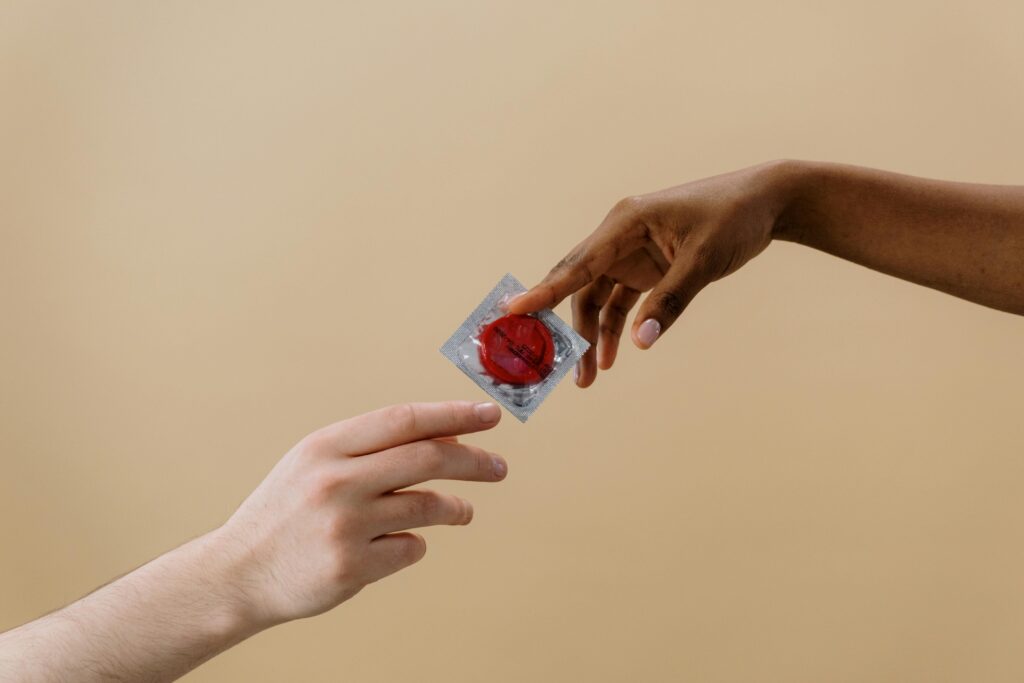
Peeing after sex is a great first step, but it’s not the only thing you can do to protect your health. Here are other simple ways to stay clean and safe:
1. Gently Clean Your Genitals
After sex, gently wash the genital area with warm water. Avoid harsh soaps, douches, or scented products that can irritate or dry out delicate skin.
2. Change Out of Damp Clothes or Underwear
Sex can leave you sweaty or damp. Staying in wet underwear or clothes creates the perfect environment for bacteria or yeast to grow. Change into something clean and dry.
3. Practice Safe Sex
Using condoms or dental dams helps reduce the spread of sexually transmitted infections (STIs). Even if you’re in a monogamous relationship, safe sex protects both partners—especially if either of you has had recent infections.
4. Wash Sex Toys
If you use sex toys, wash them with soap and water after each use. Follow manufacturer instructions for proper cleaning and storage.
5. Wipe Correctly
For women, always wipe from front to back after using the bathroom. This prevents bacteria from the anus entering the urethra or vagina.
Common Myths About Peeing After Sex
“Only women need to pee after sex.”
While women are more prone to UTIs, men can also benefit from flushing out bacteria after sex—especially those who have recurrent infections or urethral irritation.
“You have to pee immediately after sex.”
There’s no strict time limit. The goal is to urinate within a reasonable window—ideally within an hour.
“If I pee after sex, I can’t get a UTI, STI or pregnant”
Peeing reduces the risk of UTI, but it’s not a guarantee. Factors like hydration, sexual activity frequency, anatomy, and hygiene also play a role. As for STI’s and pregnancy, the process is so much more complex that simply peeing after sex will not protect you. Instead use barrier protection like and female condoms.
When to Talk to a Doctor
You should speak to a healthcare provider if:
- You get UTIs frequently (3 or more per year)
- You have pain after or during sex
- You’re unsure about proper hygiene techniques
- You think you may have an STI
A doctor can help identify what’s causing recurrent infections and recommend preventive treatments, such as vaginal estrogen for postmenopausal women, low-dose antibiotics, or other supportive measures.
Final Thoughts…
Peeing after sex is a simple, habit that helps keep your urinary system healthy—especially for women. Combined with gentle hygiene, safe sex practices, and awareness of symptoms, you can enjoy intimacy while minimizing your risk of discomfort and infections.
Remember: Staying healthy doesn’t mean taking the fun out of sex—it means taking care of your body so you can fully enjoy it, without fear or pain.