Let’s explore the why, the how, and the other things you can do to protect your health after intimacy.
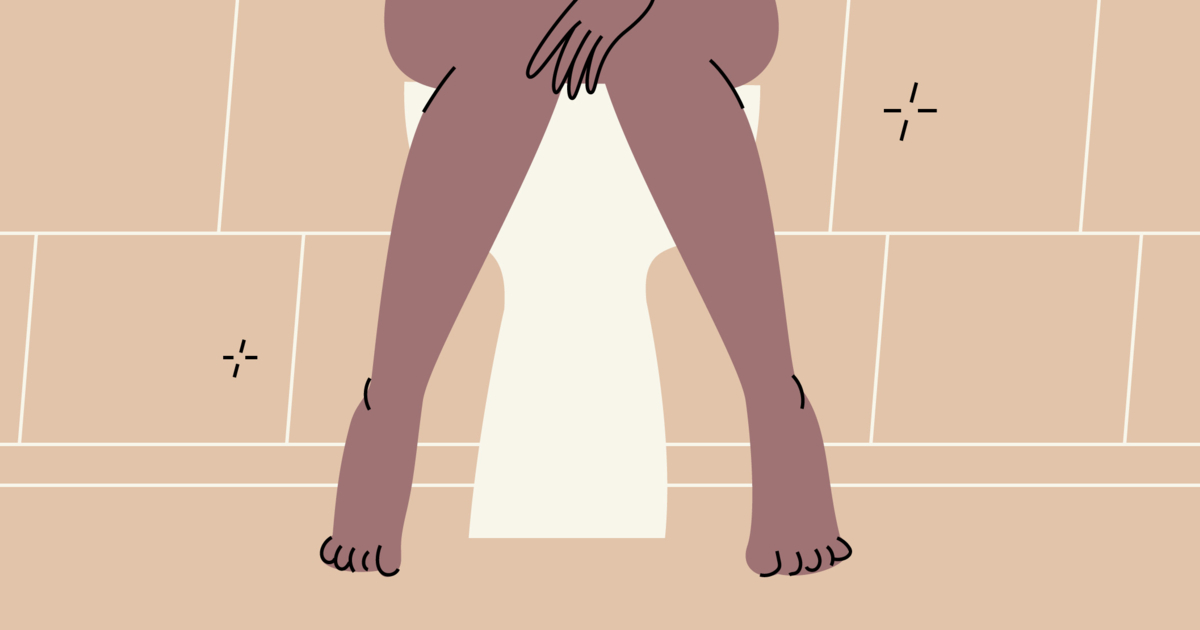
Why Do People Say You Should Pee After Sex?
During sex, it’s normal for bacteria from the skin, anus, mouth, or hands to be introduced near the urethra—the tube that carries urine out of your body.
For women in particular, the urethra is very short (2.5 to 4cm) and close to the vaginal and anal openings. For men it’s about 15 to 20 cm. This makes it easier for bacteria to enter the bladder and cause a UTI in women.
Sexual activity is definitely a predisposing factor in urinary tract infections. However, sexual intercourse itself does not directly cause UTIs, but it can increase the likelihood.
A study by Haris et. al. In 2013 found that urinating after intercourse did not reduce the risk of symptomatic urinary tract infections (UTIs) among sexually active young healthy women. However, there may have been some protection in voiding within 15 minutes for women without any history of past UTIs
Benefits of peeing after sex:
Flushes Out Bacteria
When you pee, your body naturally expels bacteria that may have gotten into the urethra. This quick rinse helps prevent them from traveling up to the bladder and causing more serious infections.
Lowers Risk of UTIs
Research and expert opinion both support the idea that urinating after sex reduces the risk of post-coital UTIs—especially for women who get infections often.
Consider your partner’s health.
Even if you don’t often deal with UTIs or related issues, your partner might be more vulnerable. Maintaining proper sexual hygiene — including peeing after intercourse — helps protect them too.
Don’t panic if you don’t immediately feel the urge to urinate. There’s no need to force it. Just stay hydrated, and try to use the bathroom within 30 to 60 minutes after sex if you can. Drinking a glass of water right after sex can help encourage urination.
Post-Sex Hygiene: Other Good Practices
Peeing after sex is a great first step, but it’s not the only thing you can do to protect your health. Here are other simple ways to stay clean and safe:
1. Gently Clean Your Genitals
After sex, gently wash the genital area with warm water. Avoid harsh soaps, douches, or scented products that can irritate or dry out delicate skin.
2. Change Out of Damp Clothes or Underwear
Sex can leave you sweaty or damp. Staying in wet underwear or clothes creates the perfect environment for bacteria or yeast to grow. Change into something clean and dry.
3. Practice Safe Sex
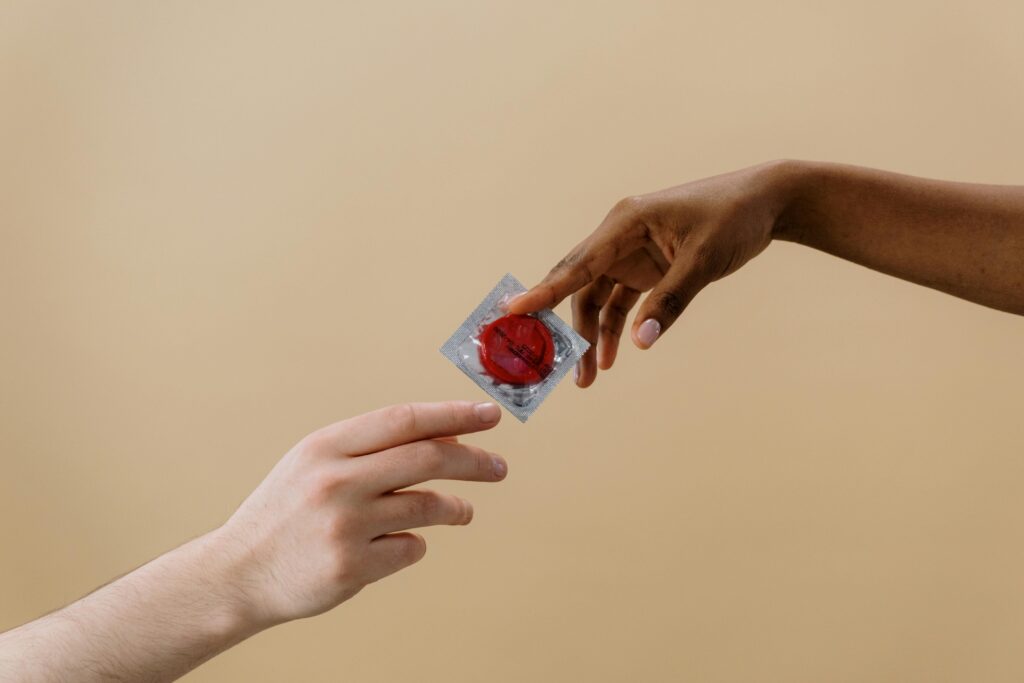
Using condoms or dental dams helps reduce the spread of sexually transmitted infections (STIs). Even if you’re in a monogamous relationship, safe sex protects both partners—especially if either of you has had recent infections.
4. Wash Sex Toys
If you use sex toys, wash them with soap and water after each use. Follow manufacturer instructions for proper cleaning and storage.
5. Wipe Correctly
For women, always wipe from front to back after using the bathroom. This prevents bacteria from the anus entering the urethra or vagina.
Common Myths About Peeing After Sex
“Only women need to pee after sex.”
While women are more prone to UTIs, men can also benefit from flushing out bacteria after sex—especially those who have recurrent infections or urethral irritation.
“You have to pee immediately after sex.”
There’s no strict time limit. The goal is to urinate within a reasonable window—ideally within an hour.
“If I pee after sex, I can’t get a UTI, STI or pregnant”
Peeing reduces the risk of UTI, but it’s not a guarantee. Factors like hydration, sexual activity frequency, anatomy, and hygiene also play a role. As for STI’s and pregnancy, the process is so much more complex that simply peeing after sex will not protect you. Instead use barrier protection like and female condoms.
When to Talk to a Doctor
You should speak to a healthcare provider if:
You get UTIs frequently (3 or more per year)
You have pain after or during sex
You’re unsure about proper hygiene techniques
You think you may have an STI
A doctor can help identify what’s causing recurrent infections and recommend preventive treatments, such as vaginal estrogen for postmenopausal women, low-dose antibiotics, or other supportive measures.
Final Thoughts…
Peeing after sex is a simple, habit that helps keep your urinary system healthy—especially for women. Combined with gentle hygiene, safe sex practices, and awareness of symptoms, you can enjoy intimacy while minimizing your risk of discomfort and infections.
Remember: Staying healthy doesn’t mean taking the fun out of sex—it means taking care of your body so you can fully enjoy it, without fear or pain.
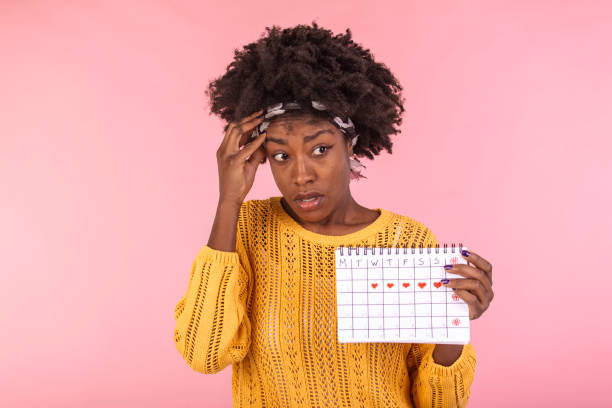
If you’ve missed your period, don’t panic. Here’s what to do:
Rule out pregnancy: Take a home pregnancy test using your first-morning urine for accurate results. If unclear, consider a blood test.
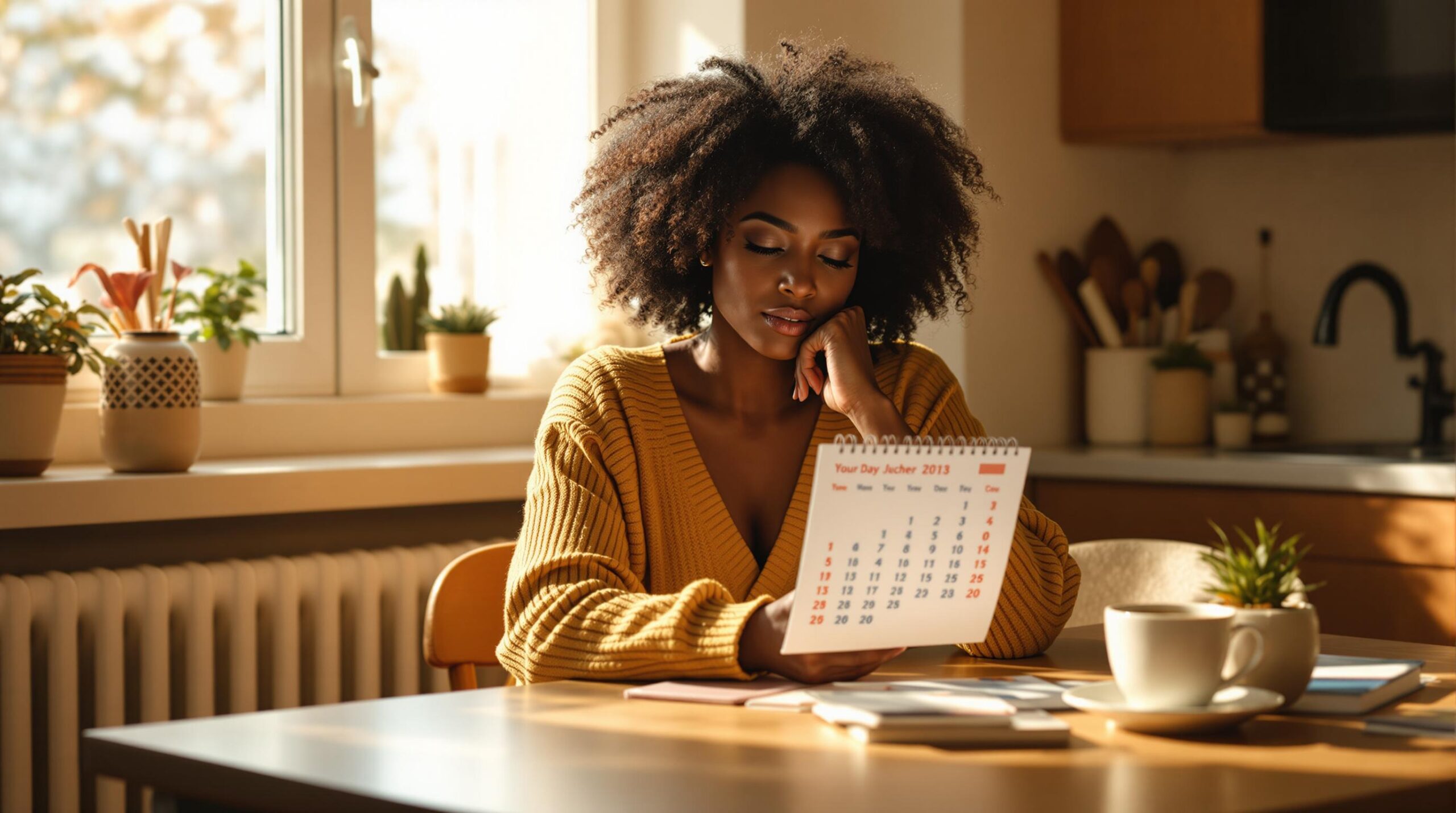
Track your Menstrual cycle: Use a period-tracking app like Poka Health to monitor patterns and symptoms.
Identify possible causes: Stress, weight changes, intense exercise, or medical conditions like PCOS (Polycystic Ovarian Syndrome)or thyroid issues could be factors.
Consult a doctor: If pregnancy isn’t the reason or irregularities persist, book a consultation with a healthcare provider.
A typical menstrual cycle ranges from 21 to 45 days. Missing one period might not be a concern, but missing multiple or noticing other symptoms like fatigue, weight changes, or unusual hair growth should prompt a medical review. Apps like Poka Health can simplify tracking and help share accurate data with your doctor.
Tip: Stress, lifestyle changes, and health conditions are common culprits. Early diagnosis can often resolve the issue quickly.
Missed your period? Here are some reasons why
What Makes a Normal Period Cycle
Understanding your usual cycle is key to noticing any unusual changes. While many assume a 28-day cycle is the standard, the actual range is broader and varies by individual.
Standard Menstrual Cycle Length
A menstrual cycle typically ranges from 21 to 45 days, depending on your life stage.
Here’s a quick breakdown of cycle patterns:
Life Stage
Cycle Range
Common Characteristics
Teens
21–45 days
Irregular cycles are typical
Adults
21–35 days
More consistent and predictable
Near Menopause
Varies
Irregularity becomes more common
Over a lifetime, the average person experiences about 500 cycles. But these patterns aren’t set in stone – they can shift for various reasons.
Several factors can influence your cycle, and not all changes are a cause for concern.
Natural Life Changes Your menstrual cycle patterns can shift as you age. According to UCLA Health:
“The first few years of menstruation can be a roller coaster; it’s normal for some young people to have six or more years of irregular periods”.
Physical Factors Your body’s physical state plays a big role in cycle timing. Influences include:
Weight changes (both gain and loss)
Adjustments in exercise habits
Starting or stopping birth control
Thyroid function changes
Lifestyle Influences Stress levels in your daily life can also affect your cycle.
Tracking your periods can help you understand your unique patterns and make it easier to identify when something might need attention from a healthcare provider.
Reasons for Missed Periods Besides Pregnancy
A missed period isn’t always due to pregnancy. Several other factors can influence your menstrual cycle.
Stress and Life Changes
Stress can throw off your menstrual cycle by interfering with hormone levels. Elevated cortisol, a stress hormone, can disrupt the hypothalamus, which regulates your cycle. Studies indicate that women aged 20–40 experiencing high stress often face irregular periods.
“Stress affects the body. It can change how you sleep, what you eat and how you function. Stress can also delay your period”.
Physical changes, such as fluctuations in weight and exercise routines, can also play a role in menstrual irregularities.
Body Weight and Exercise
Significant changes in body weight or engaging in intense physical activity can upset hormonal balance, leading to delayed or missed periods.
Factor
Effect on Menstruation
Warning Signs
Low Weight
May stop periods entirely
BMI below 19
Weight Gain
Can disrupt hormone balance
Irregular cycles
Intense Exercise
May halt menstruation
Missed periods
Besides lifestyle influences, certain medical conditions might be the root cause of irregular or missed cycles.
Medical Conditions
Some health conditions can directly affect your menstrual cycle. Polycystic ovary syndrome (PCOS), thyroid issues, and primary ovarian insufficiency are common culprits. Other conditions like celiac disease, diabetes, and pelvic inflammatory disease can also contribute to menstrual changes.
Proper diagnosis and treatment are crucial for managing these conditions. If irregular periods persist or if you notice other symptoms, it’s important to consult a healthcare professional.
Could It Be Pregnancy?
Missing a period is often one of the first signs that you might be pregnant.
Early Signs of Pregnancy
Some common early symptoms to look out for include:
Feeling nauseous or vomiting
Breasts that feel tender or more sensitive than usual
If you notice these signs, it’s a good idea to take a test right away to confirm whether you’re pregnant.
Using Home Pregnancy Tests
DrDoGood provides reliable pregnancy test kits you can use at home. To get accurate results:
Use your first-morning urine sample.
Carefully follow the instructions provided with the kit.
Check the results within the time frame mentioned in the instructions.
If you’re uncertain or want a more definitive answer, a blood test is the next step.
Blood Tests for Pregnancy
Blood tests are an extremely reliable way to confirm pregnancy. You can book one through DrDoGood’s platform at a nearby lab. Once you have your results, consult a healthcare provider if needed.
If the test comes back negative but your menstrual cycle stays irregular, it’s important to speak with a healthcare provider for further evaluation.
sbb-itb-3568213
Period Tracking with Apps
Why Track Your menstrual cycle
Keeping track of your menstrual cycle helps you better understand your body’s rhythms. By monitoring regularly, you can detect irregularities early and discuss them with your doctor. Tracking also helps you keep an eye on cycle length, recurring symptoms, and any unusual changes. Plus, it allows you to prepare for upcoming periods and document concerns for medical visits. Apps like Poka Health make this process much easier and more organised.
Poka Health simplifies period tracking while helping you quickly spot any irregularities. The app offers three main features to make tracking easy:
Record Your Cycle: Enter your period dates and flow, and the app automatically calculates your cycle length and tracks patterns.
Track Symptoms: Log changes in flow, mood, or discomfort to build a detailed health record.
Set Reminders: Get notifications about your next period, making it easier to prepare, notice delays, and schedule appointments.
What sets Poka Health apart is its connection to DrDoGood’s healthcare platform. This integration allows you to share your tracking data directly with healthcare providers. With this information, doctors can better understand your menstrual patterns and offer more accurate advice or diagnoses when needed.
Feature
What It Does
Cycle Analysis
Tracks your unique pattern and flags any changes
Symptom Logger
Builds a detailed record for medical consultations
Smart Predictions
Uses past data to help you plan ahead
Healthcare Integration
Shares your data directly with DrDoGood providers
Signs You Need a Doctor
Warning Signs
It’s normal for menstrual cycles to vary, but certain patterns should raise concerns. If you frequently miss your periods and pregnancy tests come back negative, it’s time to consult a doctor. Similarly, those using an IUD who notice a lack of menstrual flow should seek medical advice, as it could indicate a deeper issue.
If you’re experiencing these signs, virtual consultations can provide quick access to expert help.
Online Doctor Visits
DrDoGood offers an easy way to get professional advice through virtual consultations. Here’s what to do:
Book an appointment: Use the DrDoGood app to schedule a session with a gynecologist.
Prepare for your consultation: Gather important information, including the date of your last period, any cycle changes, symptoms, medications you’re taking, and data from Poka Health. During the consultation, your doctor will review your history, discuss your symptoms, and, if necessary, arrange tests or plan follow-up care.
DrDoGood’s virtual services also allow for blood tests or ultrasounds through partner facilities. By sharing your Poka Health tracking data, your doctor can better understand your menstrual patterns and provide a more thorough evaluation.
Treatment and Mental Health
Treatment Methods
The approach to treatment varies based on the cause. For hormone-related issues, doctors may recommend combined contraceptive pills to balance hormone levels or hormone replacement therapy to address perimenopausal symptoms. Making lifestyle adjustments, such as eating a balanced diet, exercising regularly, practising stress-relief techniques like meditation, and avoiding excessive physical activity, can also help regulate menstrual cycles.
“Treatment for late or missed period depends on what is causing it.” – NHS
While addressing physical symptoms is essential, taking care of your emotional health is just as important.
Managing Worry
In addition to medical treatment, managing emotional stress plays a key role. Keeping track of your symptoms with tools like the Poka Health app can provide detailed records that make discussions with your healthcare provider more productive. This tracking can guide both treatment plans and mental health support.
If irregular periods are disrupting your daily life, consider scheduling a virtual consultation through DrDoGood. This can help you explore both medical and therapy options. Many causes of missed periods can be addressed, and working with healthcare professionals can help ease related stress and anxiety.
Resources in Ghana
Finding Test Kits
If you suspect a pregnancy, you can order a home test kit through the DrDoGood mobile app. These kits are available in cities like Accra, Kumasi, and Tamale, among others, and allow you to get results in the comfort of your home. If further confirmation is needed, you can easily schedule a blood test with certified local facilities through the same app. This is especially helpful if your home test results are unclear.
In addition to testing, the platform provides access to essential information on menstrual health.
Period Health Basics
The DrDoGood app also offers a range of menstrual health resources, such as:
Virtual health consultations with certified providers
Community support tailored to local cultural practices
Poka Health tracking tools to help monitor your cycle and share accurate data with healthcare professionals
The app connects users to qualified gynaecologists for both virtual and in-person appointments. With services available across all 16 regions of Ghana, you can access care whether you’re in urban centres like Accra or more rural areas.
Summary
A typical menstrual cycle lasts between 21 and 45 days. If you miss a period, it’s important to take action. Using the Poka Health tracking feature can help you spot patterns early, and DrDoGood offers testing and consultations across the country to address concerns.
“Most underlying causes of missed or late periods can be treated or reversed. Tracking your menstrual cycles and being proactive about missed or late periods can ensure you get treatment quickly.” – UCLA Health
It’s advisable to seek medical attention if:
You miss three periods in a row
You haven’t started menstruating by age 16
You experience symptoms like weight changes, fatigue, or increased facial hair
As mentioned earlier, combining regular tracking with timely medical advice can improve outcomes. Interestingly, research indicates that only about one-third of girls with menstrual concerns seek professional help.
Hi, good day! This is Dr. Nana K. Today, I’m here to tackle a topic that’s one of the most common questions I receive: “How can I calculate my fertile days?” Knowing when you’re most fertile can be key for anyone trying to conceive—or, on the other hand, looking to avoid pregnancy. So, let’s break it down together!
Step 1: Understanding Your Cycle Length
The first thing you need to know is your cycle length. Your cycle length is the number of days from the start of one period to the start of the next. So, it begins on the first day you see blood and ends the day before your next period begins. To figure out your cycle length, you’ll need to track the start date of your period over a few cycles.
Let’s look at an example.
Say your period started on July 7th and then again on August 5th. Counting the days in between, you’ll find your cycle length is around 27 days.
Step 2: Finding Your Ovulation Day
Now that you know your cycle length, you can calculate your ovulation day. Here’s the key: ovulation usually happens 14 days before your next period starts, not necessarily on day 14 of your cycle. This means ovulation day varies depending on your cycle length.
For instance:
27-day cycle: 27 – 14 = day 13 is ovulation day.
31-day cycle: 31 – 14 = day 17 is ovulation day.
35-day cycle: 35 – 14 = day 21 is ovulation day.
So, remember: not everyone ovulates on the 14th day of their cycle!
Step 3: Calculating Your Fertile Window
Once you’ve found your ovulation day, it’s time to determine your fertile window. This window typically includes:
Five days before ovulation (sperm can survive in the body for several days)
The day of ovulation
A day or two after ovulation
Using the 27-day cycle example, if ovulation is on day 13, then your fertile window is roughly from day 9 to day 15. That’s your prime time if you’re looking to conceive or, alternatively, your “danger zone” if you’re aiming to avoid pregnancy.
Common Misconceptions about yourFertile Days
A big myth out there is that everyone ovulates on day 14. In reality, ovulation depends on your unique cycle length, so understanding and tracking your cycle is essential.
If you have a consistent 28-day cycle, ovulation around day 14 might apply. But most people don’t have a perfectly regular cycle, which is why calculating your own fertile window is so valuable.
Thank you for tuning in! If you have more questions, drop a comment, or book a session with me here.
And, as always, share this with anyone who might find it useful. Take care, and good luck!