Tag: online doctor consultation Ghana

  • What Is Pancreatic Cancer? Understanding Symptoms, Causes and Treatment in Ghana

    What Is Pancreatic Cancer? Understanding Symptoms, Causes and Treatment in Ghana

    Understanding Pancreatic Cancer

    Often diagnosed late, Pancreatic Cancer is one of the deadliest cancers worldwide. It is a rare but aggressive cancer that begins in the tissues of the pancreas, an essential organ that helps with digestion and blood sugar regulation.

    We’ll break down what pancreatic cancer is, its symptoms, risk factors, prevention strategies, and treatment options.

    What Is the Pancreas and What Does It Do?

    The pancreas is a small, fish-shaped organ located behind your stomach. 
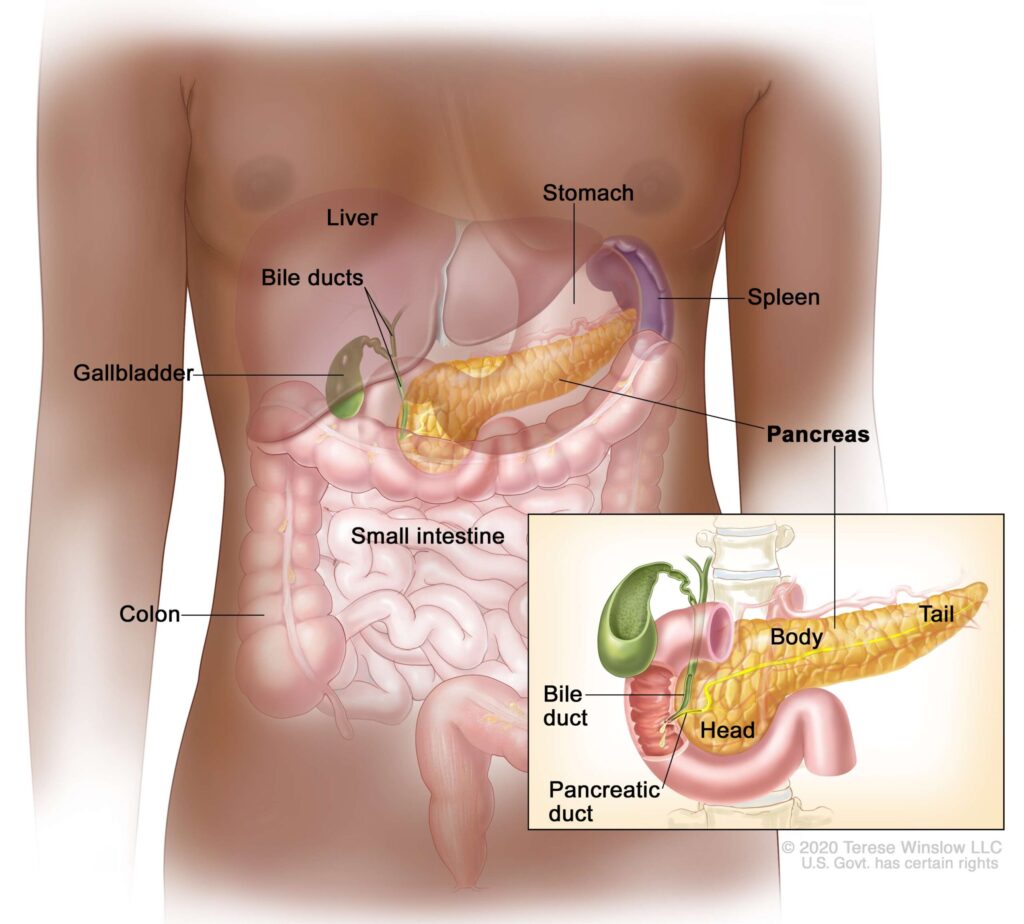
    The pancreas
    (Pancreaticcancer action.org)

    It plays two crucial roles:

    1. Digestive function – It produces enzymes that help break down food.
    2. Blood sugar control – It releases insulin and glucagon to regulate sugar levels.

    Consequently, when cancer develops in the pancreas, it disrupts these functions, leading to severe health issues.

    How Does Pancreatic Cancer Develop?

    Pancreatic cancer occurs when abnormal cells in the pancreas multiply uncontrollably, forming a tumor. 

    The most common type is pancreatic ductal adenocarcinoma (PDAC), which affects the ducts carrying digestive enzymes.

    Early Signs and Symptoms of Pancreatic Cancer

    Unsurprisingly, is often referred to as a silent disease because symptoms don’t appear until the later stages. 
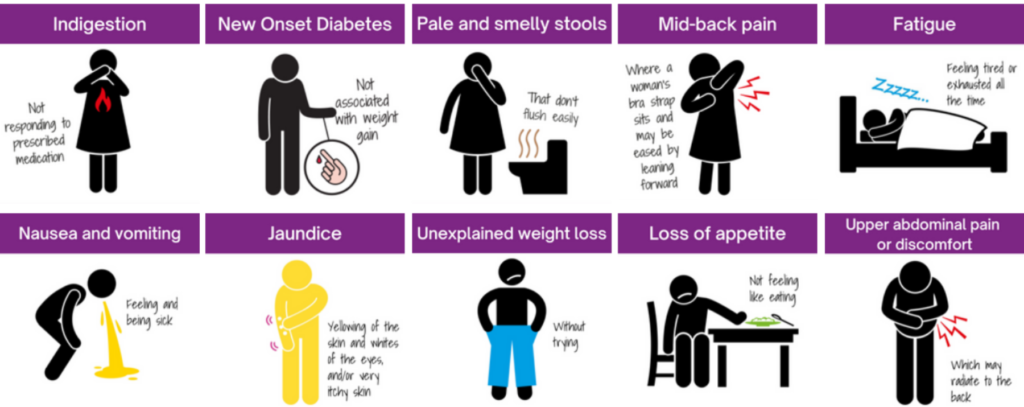

    Some warning signs to look out for include:

    1. Digestive Issues and Abdominal Pain
    • Unexplained nausea and vomiting
    • A dull, persistent pain in the upper abdomen or back
    • Loss of appetite and sudden weight loss

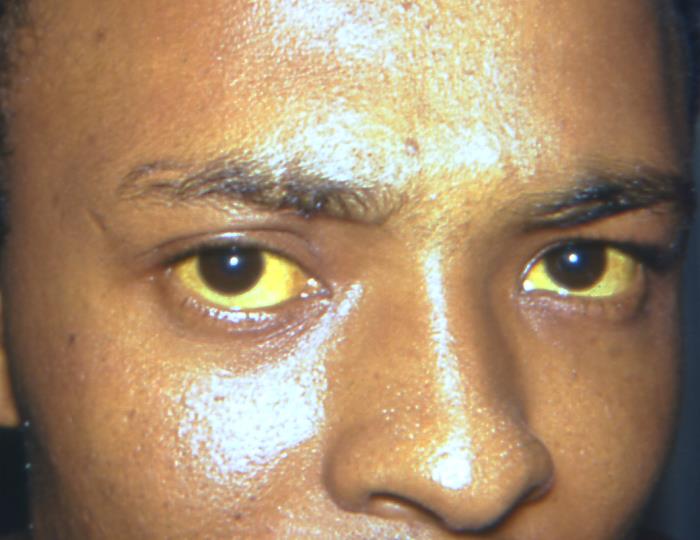
    2.  Obstructive Jaundice (Yellowing of Skin and Eyes)

    • Yellowing of skin and eyes
    CDC Photo library, scleral Jaundice

    (CDC Photo library, scleral Jaundice)

    • Dark-colored urine
    • Pale, greasy stools(difficult to flush)

    3. Uncontrolled Blood Sugar Levels

    • Pancreatic tumors can interfere with insulin production, causing new-onset diabetes or worsening of existing diabetes.

    4. Fatigue and Weakness

    • General weakness, exhaustion, or anemia due to the body’s inability to absorb nutrients properly.

    If you or someone you know experiences these symptoms, book a consultation as soon as possible for proper evaluation.

    What Causes Pancreatic Cancer? (Risk Factors)

    While the exact cause isn’t fully understood, certain factors can increase your risk of developing pancreatic cancer:

    1. Lifestyle-Related Risks

    • Smoking – Smokers are 2-3 times more likely to develop pancreatic cancer.
    • Heavy alcohol consumption – Can lead to chronic pancreatitis, a known risk factor.
    • Unhealthy diet – Diets high in processed meats, red meat, and fried foods may contribute to pancreatic cancer risk.

    2. Medical Conditions 

    • Chronic pancreatitis – Long-term inflammation of the pancreas.
    • Obesity – Excess weight can increase inflammation and hormone imbalances.
    • Diabetes – Long-term diabetes can make the pancreas more susceptible to cancer.

    3. Genetic and Family History Factors

    • A family history of pancreatic, ovarian, or breast cancer.
    • Genetic mutations like BRCA1 and BRCA2, linked to breast and ovarian cancer, also increase risk.

    Can Pancreatic Cancer Be Prevented?

    While there’s no guaranteed way to prevent it, lifestyle changes can significantly reduce your risk:

    1.  Quit smoking – This is one of the biggest preventable risk factors.
    2. Maintain a healthy diet – Eat more fruits, vegetables, and whole grains while cutting down on processed meats.
    3. Exercise regularly – Staying active helps prevent obesity, a key risk factor.
    4. Limit alcohol intake – Heavy drinking can lead to chronic pancreatitis, which increases cancer risk.
    5. Manage diabetes effectively – Keeping blood sugar levels stable can help reduce pancreatic strain. Book a consultation with a diabetes expert on DRDOGOOD to help regulate your sugars. You can also join the Diabetes WhatsApp Community to learn more about diabetes.

    How Is Pancreatic Cancer Diagnosed?

    Early detection is challenging but key, doctors use the following tests:

    • Imaging scans – CT scans, MRI, and ultrasound to visualize tumors.
    • Blood tests – Checking for tumor markers like CA 19-9.
    • Biopsy – A sample of pancreatic tissue is taken for examination.

    Since early symptoms are vague, regular check-ups are important, especially if you have the risk factors.

    Treatment Options

    Treatment depends on the stage of cancer and overall health. Options include:

    🩺 Surgery – If caught early, removing the tumor (e.g., Whipple procedure) may be possible.

    💉 Chemotherapy & Radiation – Used when surgery isn’t an option or to kill remaining cancer cells.

    🧬 Targeted therapy & Immunotherapy – Newer treatments focus on specific cancer cells with fewer side effects.

    Because it is often diagnosed late, a combination of treatments is usually recommended.

    Final Thoughts: Know the Signs, Reduce Your Risk

    Pancreatic cancer is a serious but preventable disease. While it often goes undetected in the early stages, recognizing symptoms, managing risk factors, and adopting a healthy lifestyle can make a big difference.

    If you experience unexplained abdominal pain, jaundice, or sudden weight loss, don’t ignore it—seek medical advice as early as possible.

    For more information, check out these trusted sources:
    American Cancer Society

    National Cancer Institute

    Pancreatic Cancer Action Network

  • Can Diabetes Be Cured? Exploring Treatment Options and Remission in Ghana

    Can Diabetes Be Cured? Exploring Treatment Options and Remission in Ghana

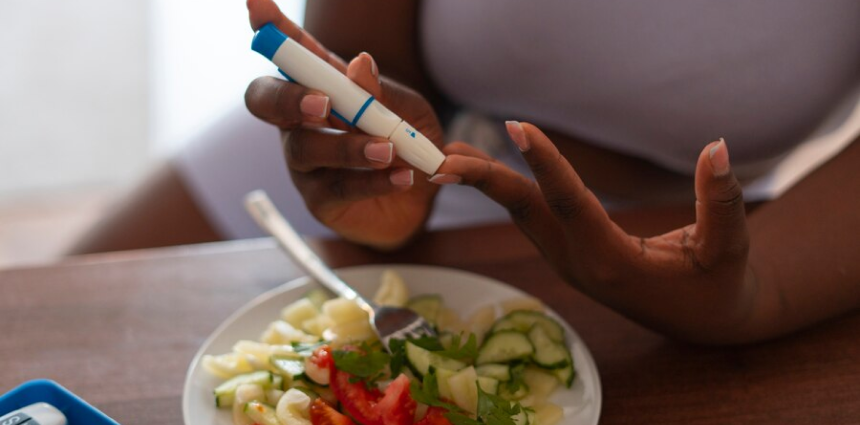
    Diabetes is a chronic condition affecting millions, including a growing number of Ghanaians. While there is currently no permanent cure, type 2 diabetes can often be reversed or put into remission with sustained lifestyle changes, proper medical treatment, and regular monitoring.

    With structured care, patients can manage blood sugar levels, prevent complications, and improve quality of life. You can consult a doctor online in Ghana through DrDoGood for guidance on managing your condition effectively.

    Understanding Diabetes Types and Management

    • Type 1 Diabetes: Occurs when the body stops producing insulin, usually in childhood or young adulthood. Management requires lifelong insulin therapy, frequent blood sugar monitoring, and healthy lifestyle choices.
    • Type 2 Diabetes: Happens when the body becomes insulin resistant or doesn’t produce enough insulin, often linked to obesity and lifestyle factors. Diet, exercise, weight management, and medications such as Metformin are key to controlling symptoms. Early intervention can reverse prediabetes and delay type 2 diabetes progression.
    • Gestational Diabetes: Develops during pregnancy due to reduced insulin response. It is usually temporary but requires careful management with diet, exercise, and sometimes insulin. Women can lower future risk by maintaining a healthy weight before pregnancy.
    • Monogenic Diabetes: Is rare and caused by mutations in a single gene. Diagnosis requires specialized care and targeted treatment.
    • Type 3c Diabetes: Develops from pancreatic damage such as surgery or pancreatitis, impairing insulin production. Management focuses on blood sugar control and treating underlying pancreatic issues.
    • Cystic Fibrosis-Related Diabetes: Arises from pancreatic complications in cystic fibrosis. Patients require insulin therapy, monitoring, and coordination with CF care teams.
    • Prediabetes: Occurs when blood sugar levels are elevated but not high enough for a diabetes diagnosis. Lifestyle changes, weight management, and regular exercise can reverse this condition and prevent progression to type 2 diabetes.

    Treatment Approaches in Ghana

    • Medical Management
    1. For Type 1 Diabetes, lifelong insulin therapy is necessary, along with regular blood sugar monitoring. You can find a diabetes doctor in Ghana to tailor a care plan.
    2. For Type 2 Diabetes, remission is possible for many patients. Weight management, a balanced diet, and regular physical activity are essential. Medications like Metformin, SGLT2 inhibitors, or GLP-1 receptor agonists may be prescribed. Early intervention can reverse prediabetes and improve long-term outcomes.
    3. For gestational, monogenic, Type 3c, and cystic fibrosis-related diabetes, treatment is specialized and adapted to individual patient needs. Regular monitoring and consultation with healthcare professionals are essential.
    • Lifestyle and Dietary Interventions in Ghana

    Diet Recommendations:

    • Focus on non-starchy vegetables, whole grains, legumes, and lean proteins.

    • Limit refined carbs, sugary foods, and highly processed products.

    • Incorporate locally available superfoods such as moringa, millet, and okra.

    Physical Activity:

    • Walking, cycling, and community exercise programs help control blood sugar.

    Weight Management

    • Achieve and maintain a healthy BMI through diet and exercise.

    • Track progress using tools like a BMI calculator.

    Mental Health Considerations

    • Stress, anxiety, and depression can affect blood sugar control.

    • Peer support, counseling, and community programs improve adherence to treatment.

    Diabetes Remission and Natural Support

    While not a permanent cure, diabetes remission means blood sugar stays within a healthy range without medication. Strategies include sustained weight loss, balanced diet, regular exercise, and ongoing monitoring.

    Natural supportive measures may include high-fiber locally sourced foods, fermented Ghanaian foods like koko or ogi, and stress reduction practices. These should complement medical treatment, not replace it.

    Medicines That Support Diabetes Management

    Common medications include:

    • Metformin: lowers blood sugar and improves insulin sensitivity.

    • SGLT2 inhibitors: help the kidneys remove excess glucose.

    • GLP-1 receptor agonists: injectable medication that stimulates insulin production.

    Always consult a doctor for proper dosage and management. You can talk to a doctor online in Ghana for guidance.

    FAQs About Diabetes Cure

    • Can diabetes be cured permanently?
      No, but type 2 diabetes can sometimes be reversed with lifestyle changes and treatment.

    • Can walking cure diabetes?
      Walking improves insulin sensitivity, but must be combined with diet, weight management, and medication as prescribed.

    • What foods help reverse diabetes?
      Non-starchy vegetables, whole grains, lean proteins, omega-3 rich foods, and fiber-rich local foods.

    • How long can someone live with diabetes?
      With proper care, patients in Ghana can have a near-normal lifespan through blood sugar control, healthy habits, and regular medical consultations.

    Taking Action in Ghana

    Managing diabetes and achieving remission is possible with expert guidance, lifestyle changes, and consistent monitoring.

    Start your online consultation today and take care of your diabetes journey with DrDoGood in Ghana.

    find a doctor