Tag: Nutrition

  • Probiotics vs. Prebiotics: What to Eat

    Probiotics vs. Prebiotics: What to Eat

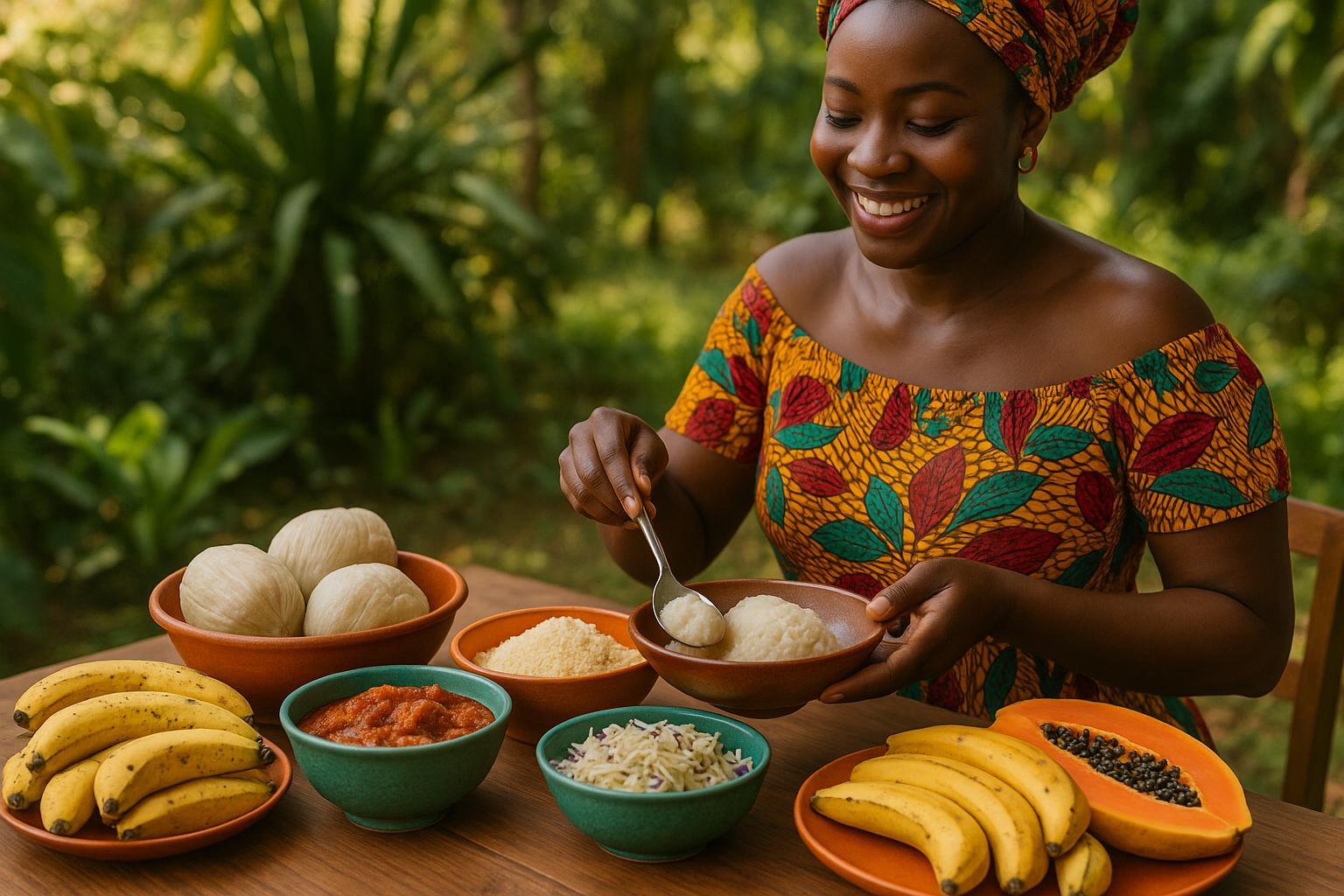
    Probiotics and prebiotics are essential for gut health, but they serve different purposes. Here’s the quick breakdown:

    • Probiotics: These are live “good bacteria” found in fermented foods like kenkey, nunu, and koko. They help balance gut bacteria, improve digestion, and support your immune system.
    • Prebiotics: These are plant fibres that feed probiotics. Foods like unripe plantains, tiger nuts (atadwe), and kontomire provide prebiotics to help probiotics thrive.

    Quick Comparison

    Feature Probiotics Prebiotics
    What They Are Live beneficial bacteria Non-digestible plant fibres
    Role Add good bacteria to your gut Feed and support the growth of probiotics
    Sources Kenkey, nunu, koko, brukina Unripe plantain, tiger nuts, kontomire
    Action Immediate impact on gut balance Long-term support for gut bacteria

    Key Food Pairings

    Combine probiotics and prebiotics for better results:

    • Kenkey with kontomire stew
    • Koko with roasted unripe plantain
    • Brukina with tiger nuts

    These combinations are easy to include in your diet and help improve digestion, nutrient absorption, and immunity.

    Basic Facts: Probiotics and Prebiotics

    Probiotics: The Friendly Bacteria

    Probiotics are live microorganisms that help keep your digestive system in check. These “good bacteria” naturally exist in the gut and are also found in fermented foods. Strains like Lactobacillus and Bifidobacterium are well-known for their role in breaking down food, producing essential vitamins, and defending against harmful microbes.

    In Ghana, traditional fermented foods such as kenkey, fula, and wagashie are excellent sources of probiotics, making them not just delicious but also beneficial for gut health.

    Prebiotics: The Food for Good Bacteria

    Prebiotics are specific plant fibres that act as nourishment for probiotics. While humans can’t digest these fibres, the beneficial bacteria in the colon thrive on them. Prebiotics like inulin, fructooligosaccharides (FOS), and resistant starch are particularly important for promoting the growth of these bacteria.

    Prebiotic Type Common Sources in Ghana
    Inulin Tiger nuts (atadwe), yam
    Fructooligosaccharides (FOS) Ripe plantain, cocoyam
    Resistant Starch Unripe plantain, gari

    When prebiotics reach the colon, they are broken down by bacteria to produce short-chain fatty acids (SCFAs). These SCFAs play a crucial role in maintaining gut health and boosting the immune system. Everyday staples like unripe plantain and tiger nuts provide a rich source of inulin and resistant starch, ensuring your gut bacteria stay well-fed and active.

    Now, let’s dive into how probiotics and prebiotics differ in their roles and sources.

    How Probiotics and Prebiotics Differ

    How They Work

    Probiotics are live microorganisms that directly support gut health, acting almost immediately. A good example is nunu, which delivers live beneficial bacteria to the digestive system.

    On the other hand, prebiotics are non-digestible fibres that pass through the stomach and small intestine without being broken down. Once in the colon, they ferment into short-chain fatty acids (SCFAs), which help fortify the intestinal barrier. Unlike probiotics, which are sensitive to heat (for instance, koko loses its probiotic viability above 40°C), prebiotics are more stable. This is why steaming kontomire is a better option than boiling it.

    To put it simply, probiotics provide the beneficial bacteria your gut needs, while prebiotics serve as the food that helps those bacteria thrive.

    For example, probiotics in banku produce lactic acid, which lowers gut pH. Meanwhile, prebiotics in foods like cocoyam leaves are fermented in the colon to produce SCFAs.

    Now, let’s explore some local foods that are natural sources of these components.

    Where to Find Them

    Traditional Ghanaian cuisine is a treasure trove of both probiotics and prebiotics. The table below highlights some common foods rich in these gut-friendly components:

    Food Type Probiotic Sources Prebiotic Sources
    Daily Staples Nunu (10⁸ CFU/g) Kontomire (5.1g/100g fibre)
    Condiments Dawadawa Tiger nuts (atadwe)
    Porridges Koko Unripe plantain
    Fermented Grains Banku (10⁷ CFU/g) Cocoyam (3.5g/100g)

    Many traditional dishes naturally combine probiotics and prebiotics. For instance, fura de nunu pairs probiotic-rich fermented milk (nunu) with prebiotic-packed millet. Similarly, the 48-hour fermentation process used in making aprapransa enhances both its probiotic content and prebiotic properties.

    A study titled “Spontaneously fermented millet product as a natural probiotic treatment for diarrhea in young children: an intervention study in Northern Ghana” evaluated the effects of a fermented millet drink, rich in lactic acid bacteria, on children under five with diarrhea. The study found that children who received up to 300 ml of the fermented drink daily for five days experienced a significant reduction in diarrhoea duration and improved well-being compared to those who received standard treatment alone.

    For best results, store probiotic-rich foods like dawadawa in traditional calabashes at room temperature. Prebiotic foods, such as dried kontomire, retain their properties for months when properly stored.

    Effects on Gut Health

    How Probiotics Help

    Probiotics are like the friendly neighbours of your gut – they help keep the peace by balancing gut flora and improving digestion. These live microorganisms not only assist in breaking down nutrients but also help your body absorb them more effectively. They also play a role in maintaining the strength of your intestinal barrier, which is essential for overall gut health. One of the easiest ways to introduce probiotics into your diet is through local fermented foods. Adding these to your meals as part of a balanced diet can naturally boost the population of these helpful bacteria.

    How Prebiotics Help

    Think of prebiotics as the food that fuels the friendly bacteria in your gut. These are dietary fibres that reach the large intestine, where they are fermented, producing compounds that promote a healthier gut environment. Foods like leafy greens and properly prepared unripe plantains are rich in prebiotics and can help keep your gut flora in balance. Together with probiotics, they create a strong foundation for better digestion and gut health.

    Ghanaian Foods to Try

    Foods with Probiotics

    Ghanaian dishes are not just flavourful; some also pack a punch when it comes to probiotics. Take koko, for instance – a fermented millet or corn porridge that’s a breakfast favourite across Accra and beyond. Sold by street vendors, it’s a warm, comforting meal with added gut health benefits.

    Then there’s brukina, a refreshing drink made from fermented millet and milk. This drink undergoes a double fermentation process lasting 48–72 hours, which significantly boosts its Lactobacillus content.

    And let’s not forget kenkey, a staple made from fermented corn dough. Fermented for 2–4 days, it’s been found to contain 10⁶–10⁸ CFU/g of lactic acid bacteria, according to research from the University of Ghana (2022). Dr. Reginald Adjetey Annan even points out that kenkey and koko are affordable and accessible sources of probiotics for many Ghanaians.

    Foods with Prebiotics

    Beyond probiotics, Ghanaian cuisine also offers an array of prebiotic-rich foods that help nourish good bacteria in the gut. These ingredients are everyday staples with impressive health benefits.

    For instance, unripe plantains – whether roasted as boli or added to soups – are loaded with inulin, a type of prebiotic fibre. Kontomire (cocoyam leaves) is another excellent source, providing about 4.2 grams of fibre per 100-gram serving, as detailed in the Ghana Food Composition Table.

    Yam and cassava are also worth mentioning. Their resistant starch content increases when they’re cooked and then cooled, making them great for gut health. And let’s not overlook garlic and onions, which are rich in inulin (9–16%) and help promote the growth of beneficial bacteria like Bifidobacterium.

    Here’s a quick overview of some of these foods and their benefits:

    Food Type Preparation Method Beneficial Properties
    Koko Fermented 12–24 hours Active probiotics from lactic acid bacteria
    Brukina Double fermentation (48–72 hours) Enhanced Lactobacillus content
    Kontomire Steamed or added to stews Approximately 4.2 g fibre per 100 g
    Unripe Plantains Roasted or boiled High in inulin

    Adding these foods to your daily meals is a simple yet effective way to support a healthy gut microbiome, which plays a key role in overall digestive health.

    Using Both Together

    Food Combinations

    Combining probiotic and prebiotic-rich Ghanaian foods is a natural way to support gut health. Many traditional dishes already bring these elements together seamlessly. For example, pairing kenkey with kontomire stew blends fermented corn with the prebiotic-rich cocoyam leaves. Another great option is enjoying koko with roasted unripe plantain – a wholesome breakfast that may promote a healthier gut.

    Probiotic Food Prebiotic Partner Serving Suggestion
    Koko Unripe plantain Serve warm koko with sliced roasted plantain
    Kenkey Kontomire stew Add garlic and onions to the stew for extra flavour and benefits
    Brukina Tiger nuts Blend tiger nuts into brukina for a creamy twist
    Fura Cassava chips Pair cooled cassava chips with fura for a satisfying snack

    These combinations not only enrich your diet but also maximise the digestive perks of probiotics and prebiotics.

    Health Effects

    When paired, probiotics and prebiotics work together to boost gut health. The prebiotics feed the beneficial bacteria, helping them thrive and enhancing their positive effects. This powerful combination can:

    • Strengthen the gut’s natural protective barrier
    • Enhance nutrient absorption from food
    • Bolster the immune system
    • Ease common digestive issues

    Try to include at least one of these pairings in your daily meals. Start with familiar combinations, then explore other options to keep things interesting and nutritious.

    Get Expert Help

    If you’re looking for more personalised guidance, connecting with a nutrition expert can help you optimise your meals for better gut health. Balancing probiotics and prebiotics might feel tricky, especially if you have unique dietary needs. Through DrDoGood‘s healthcare platform, you can easily access qualified nutritionists and dieticians familiar with Ghanaian cuisine. These professionals can:

    • Evaluate your current eating habits
    • Design meal plans tailored to your preferences
    • Suggest specific food pairings
    • Track your progress over time
    • Adjust recommendations based on how your body responds

    For expert advice, book a virtual consultation through the DrDoGood app and take the first step towards a healthier diet.

    Probiotics vs Prebiotics: What’s the Difference?

    Summary

    Getting to grips with probiotics and prebiotics can help you make smarter choices when it comes to Ghanaian foods that naturally offer both. Take kenkey, for example – it’s packed with live Lactobacillus cultures (2.5×10⁸ CFU/g) and cereal-based prebiotic fibres, making it an excellent choice for gut health.

    Experts recommend consuming between 1–10 billion CFU of probiotics and about 10 g of prebiotics daily. Traditional food preparation methods play a big role here. Pairings like fermented millet and moringa leaves not only taste great but also amplify the prebiotic benefits.

    For the best results, make traditional fermented foods a regular part of your diet. Daily consumption works wonders for your gut health. To keep these foods effective, store them at room temperature or slightly chilled. Pair them with prebiotic-rich sides like steamed cocoyam or roasted plantain for a balanced meal.

    If you’re looking for tailored advice, healthcare providers on DrDoGood can guide you on optimising your gut health. By incorporating these ideas into your everyday meals, you can tap into the wisdom of Ghanaian traditions to support a healthier digestive system.

    FAQs

    What are the health benefits of including both probiotics and prebiotics in your diet?

    Combining probiotics and prebiotics in your meals can do wonders for your digestive health by supporting a balanced gut microbiome. Probiotics are the live, friendly bacteria that help keep your gut in check, while prebiotics are the non-digestible fibres that feed these bacteria, helping them flourish. Together, they create a powerful duo that aids digestion, boosts nutrient absorption, and supports your immune system.

    To get the best of both, include foods like yoghurt, kenkey, or fermented drinks for probiotics, and pair them with fibre-rich choices like bananas, onions, and garlic for prebiotics. Incorporating these into your daily diet can leave you feeling more energised and healthier overall.

    What are some Ghanaian foods rich in probiotics and prebiotics, and how can I include them in my daily meals?

    Probiotics and prebiotics are essential for keeping your digestive system in good working order. Probiotics are the friendly bacteria found in fermented foods, while prebiotics are fibres that nourish these bacteria. In Ghana, incorporating both into your meals is not just easy – it’s delicious too.

    For probiotics, explore fermented foods like nkrakra (fermented maize porridge), wagashi (a soft fermented cheese), or homemade yoghurt. These foods can fit seamlessly into your diet as breakfast, snacks, or even side dishes. On the other hand, prebiotics come from fibre-packed foods such as ripe plantains, cassava, cocoyam, and okra. Traditional dishes like ampesi with plantains or banku paired with okro stew are perfect examples of meals that naturally include prebiotics.

    By blending these probiotic and prebiotic-rich foods, you’ll not only support your gut health but also savour the rich, vibrant flavours of Ghanaian cuisine. Strive for variety and balance in your meals to maximise the benefits.

    How can I store probiotic and prebiotic foods to keep them effective?

    To keep probiotic foods working as they should, store them in a cool place, like a refrigerator. Heat can destroy the live bacteria that make them beneficial. For instance, yoghurt, kimchi, and kefir need to stay chilled to maintain their potency. Keep them away from direct sunlight or high temperatures to avoid reducing their effectiveness.

    On the other hand, prebiotic foods – such as garlic, onions, bananas, and oats – are more resilient and can be kept at room temperature. Just make sure they’re stored in a dry, well-ventilated area to prevent them from spoiling.

    Always check the packaging for specific storage guidelines. Storing these foods properly not only helps maintain their quality but also ensures they continue to support your digestive health.

  • How to Lower Your Blood Pressure

    How to Lower Your Blood Pressure

    Hypertension affects half of Ghanaian adults, and only 23.8% manage to control it. If you’re looking for simple ways to lower your blood pressure, here’s what works:

    • Breathing Exercises: Techniques like belly breathing can lower systolic pressure by up to 8.6 mmHg.
    • Drinks: A 2021 review of 13 studies showed that hibiscus tea (Sobolo) can lower blood pressure. It reduced systolic pressure by 6.67 mmHg and diastolic by 4.35 mmHg on average. The effect was stronger in people with high blood pressure (hypertension). Most participants drank 1–2 cups of hibiscus tea daily for a few weeks. However, it may interact with blood pressure medications.Talk to your doctor before adding it to your routine.
    • Food Choices: Add plantains, African bitterleaf, and black-eyed peas to your meals. Reduce salt by soaking salted fish like koobi or momoni.
    • Exercise: Try wall sits, planks, or join walking groups in places like Aburi Gardens.
    • Stress Relief: Use apps like CALM for guided breathing and meditation.

    Quick Action Plan: Start with regular blood pressure checks. And record them on DrDoGood, Go for a 30min walk today.

    Keep in mind that whilst these may temporarily drop your blood pressure, hypertension is a CHRONIC condition  (meaning it doesn’t go away) which must be continuously managed in order to avoid serious complications like strokes of heart failure.

    For more tips on managing hypertension, including affordable monitoring tools and community support, keep reading.

    Everyday ways to lower your blood pressure

     Simple Ways to Lower Blood Pressure

    Here are some practical and proven methods to quickly bring down your blood pressure, offering both immediate relief and long-term benefits.

    Simple Breathing Exercises

    Breathing exercises are a quick and effective way to reduce blood pressure. Studies indicate that just two minutes of slow, deep breathing can lower systolic pressure by 8.6 mmHg and diastolic pressure by 4.9 mmHg.

    Here are two techniques to try:

    • Box Breathing (Sama Vritti): Exhale completely, then inhale for a count of 4, hold your breath for 4 counts, exhale for 4 counts, and pause for another 4 counts before repeating.
    • Belly Breathing: Place one hand on your stomach and the other on your chest. Breathe in deeply, allowing your belly to expand while keeping your chest still. Then exhale slowly, aiming for 6 seconds per breath.

    Office Worker Health Tips

    If you’re a busy professional in Accra or other urban areas, here are some quick tips to stay on top of your health:

    • Take a 5-minute walk every hour to reach a total of 30 minutes of movement each day.
    • Use your lunch break for short breathing exercises or a brisk walk. The DrDoGood app offers guided relaxation sessions to help you make the most of your time.

    Foods That Lower Blood Pressure

    Making smart food choices is a natural way to manage blood pressure. Here’s how you can incorporate blood pressure-friendly options into your daily Ghanaian meals.

    Less Salt, More Flavor

    Salted fish like koobi, momoni, kako, and tilapia are staples in many Ghanaian dishes. To reduce their sodium content without sacrificing taste, soak them overnight before cooking.

    Instead of relying on salt for flavour, try these alternatives:

    • Fresh ginger and garlic for a bold, aromatic kick.
    • African basil (Ocimum gratissimum), which adds a unique, earthy taste.
    • Traditional pepper blends, for that spicy, familiar heat.
    • Fresh herbs from your garden to brighten up meals.

    When preparing soups and stews, start with half your usual salt amount. Over time, your palate will adjust, and you may find you don’t need as much salt as you thought.

    Now, let’s dive into some local foods that naturally help lower blood pressure.

    Best Local Foods for Blood Pressure

    Plantain Power
    Plantains are a powerhouse when it comes to heart health. Just one cup of mashed plantain contains 930 mg of potassium (27% of your daily needs), 64 mg of magnesium, and very little sodium. These nutrients work together to help regulate blood pressure.

    African Bitter leaf (Vernonia amygdalina)
    This traditional favourite has been shown to effectively lower blood pressure. You can enjoy it in various ways:

    • Steam it as a side dish.
    • Add it to soups for a nutrient boost.
    • Use it as a water extract for its medicinal properties.

    Black-Eyed Peas
    A key ingredient in Red Red stew, black-eyed peas are more than just affordable – they’re a nutritional goldmine. One cup provides over 21% of your daily magnesium needs. Known as the “poor man’s meat,” these legumes are excellent for heart health and fit seamlessly into Ghanaian cooking.

    DASH Diet with Ghanaian Foods

    The DASH diet (Dietary Approaches to Stop Hypertension), was designed to lower blood pressure and can easily be adapted to Ghanaian cuisine.

    Here’s a sample of local, DASH-friendly meals:

    Meal Time DASH-Friendly Local Options Benefits
    Breakfast Green plantain porridge with unsweetened sobolo High in potassium, low in sodium
    Lunch Red Red stew with black-eyed peas and plantain Rich in magnesium and fiber
    Dinner Bitterleaf soup with non-salted fish Known for its blood pressure benefits

    To track your progress, consider using the DrDoGood app. It helps you monitor meals and blood pressure, so you can see what works best for you.

    Easy Exercise Options

    Staying active is a key part of keeping your blood pressure in check. Whether you live in a bustling city or a quieter area in Ghana, there are practical ways to incorporate exercise into your routine. Try to meet the WHO-recommended target of at least 7,500 steps.

    Group Activities Near You

    The Outdoors Association of Ghana (OAG) runs fitness programmes in communities across the country. You can reach them at 020 348 1401 or email [email protected]. Their head office is located at 2 Pilopia Close, Dzogbefeme-Avatime. Through the DrDoGood wellness programme, you can join walking groups in places like the Aburi Botanical Gardens, Achimota Forest, the University of Ghana campus, and various community parks.

    No-Equipment Exercises

    If joining a group isn’t your thing, you can still stay active with these simple exercises that don’t require any equipment:

    • Wall Sits: Stand with your back against a wall, slide down until your knees are at a 90° angle, and hold for 20–30 seconds. Repeat for several sets.
    • Plank Variations: Start in a push-up position, then lower onto your forearms while keeping your body straight. Hold for 10–20 seconds, increasing the time as you build strength.
    • Gentle Yoga Poses: Try the Forward Fold (Uttanasana). Stand tall, raise your arms as you inhale, and slowly bend forward as you exhale. Slightly bend your knees if needed for comfort.

    Gym and Fitness Centres

    If you prefer a more structured environment, DrDoGood collaborates with fitness centres in major cities across Ghana. Here’s what you can expect:

    Facility Type Benefits Best For
    Community Centres Free blood pressure checks and group classes Beginners
    Partner Gyms Certified trainers and flexible hours Regular exercisers
    Wellness Studios Guided meditation and yoga sessions Stress management

    These options make it easy to find an exercise routine that works for your lifestyle, no matter where you are.

    Stress Relief Methods

    Managing stress is a key part of keeping blood pressure in check.

    Phone-Based Relaxation

    DrDoGood’s app offers practical tools to help you manage stress wherever you are. Here’s how it works:

    Feature Benefits Best Time to Use
    Guided Breathing Promotes relaxation through deep breathing exercises During work breaks
    Sleep Tracking Tracks sleep quality and provides tips for better rest At night
    Meditation Timer Encourages a consistent meditation habit Morning or evening

    The app also sends reminders for stress-relief breaks, making it easier to incorporate relaxation into your daily routine. While these digital tools are convenient, they work best when paired with real-life support systems.

    Community Support Groups

    Digital solutions are helpful, but nothing replaces the power of human connection. Local support groups play a vital role in reducing stress and, in turn, lowering blood pressure.

    “Within African societies where members live together with shared responsibilities and possessions, studies show that during times of illness, members play a ‘brokerage function’ between patients and healers and are regarded as the ‘therapy managing group’”.

    DrDoGood’s wellness programme connects you with various local networks, including:

    • Blood Pressure Support Groups: Weekly meetings at partner locations in Accra, Kumasi, and Tamale.
    • Faith-Based Health Networks: Collaborations with local churches and mosques for health discussions.
    • Neighbourhood Walking Groups: Regular walking sessions in your area for exercise and social interaction.

    Local Stress Relief Activities

    Beyond apps and support groups, engaging in activities rooted in your surroundings can offer a sense of familiarity and calm. Here are some ideas:

    • Cultural Activities
      Take part in local traditions like drumming and dancing events. These not only help you relax but also strengthen your connection to your heritage.
    • Spiritual Support
      Seek comfort and advice from religious leaders. DrDoGood works with local churches and mosques to provide health-focused counselling services.
    • Nature Therapy
      Spending time outdoors is a proven way to ease stress. Visit serene spots like Aburi Botanical Gardens, Legon Botanical Gardens, or nearby nature reserves for a calming walk or meditation session.

    “When it comes to preventing and treating high blood pressure, one often-overlooked strategy is managing stress”.

    Track Your Progress

    Once you’ve made changes to your lifestyle, it’s important to monitor how you’re doing. Keeping track of your daily habits and health metrics using DrDoGood can help you stick to healthier routines.

    Home Blood Pressure Checks

    Regularly recording your blood pressure is a key step, and DrDoGood’s tracking feature makes it easier.

    “Home measurements are often more accurate than clinic readings” – Dr. Katherine Sakmar, Specialist in Hypertension Management at Harvard-affiliated Massachusetts General Hospital

    For reliable results, use an automatic upper arm cuff. Here’s how to measure accurately:

    Time Instructions What to Avoid
    Morning (6–9 AM) Sit quietly for 5 minutes with feet flat, back supported Caffeine, alcohol, tobacco, and exercise
    Evening (6–9 PM) Take two readings, 1–2 minutes apart A full bladder and crossing your legs

    Tip: Choose an automatic upper arm device that costs between GHS 300–600 at local pharmacies. Ensure the cuff fits properly, covering at least 80% of your upper arm for accurate readings.

    Medicine Schedule Tips

    DrDoGood offers smart tools to help you stay consistent with your medication. These include alerts, logs, stock reminders, and reports to track your progress.

    • Create a detailed medication profile, including doses and timings.
    • Note any side effects or concerns in the app.
    • Record blood pressure readings alongside medication times.

    By combining medication tracking with routine health monitoring, you can stay on top of your health goals.

    Health at Work and Home

    Keep tabs on essential activities with DrDoGood:

    Activity Measurement Goal Setting
    Daily Steps Automatic counting Custom targets
    Water Intake Manual logging Daily recommendations
    Salt Consumption Food diary WHO guidelines
    Stress Levels Mood tracking Relaxation reminders

    Workplace Tips:

    • Set hourly reminders to stretch or move around.
    • Track workplace stress levels.
    • Monitor your blood pressure during different work scenarios.

    “It gives some feedback about how they’re doing, and that helps reinforce the efforts they’re making” – Dr. Randall Zusman, Director of the Division of Hypertension at Harvard-affiliated Massachusetts General Hospital

    Next Steps for Better Health

    Take control of your blood pressure with DrDoGood’s effective strategies. Data shows that users of this digital health tool experience a 42% improvement in blood pressure management within six months.

    Immediate Actions

    Start with these steps to lay the groundwork for better health:

    Time Action Outcome
    Week 1 Schedule a blood pressure check at your nearest clinic Establish baseline readings
    Week 2-4 Attend 3 nutrition sessions with Korle Bu dietitians Get a personalised meal plan
    Monthly Join free screenings on the first Tuesday of every month Ensure consistent monitoring

    Pair these actions with community support and digital tracking to maintain progress.

    Community Support

    Your journey to better health can be strengthened by tapping into local resources. For instance, the Methodist Church Ghana runs hypertension support groups in 23 dioceses nationwide. These groups meet weekly and have helped members maintain an average blood pressure of 128/79 mmHg over six months. Additionally, the ADHINCRA Study (2023) found that nurse-led digital interventions achieved a 57% blood pressure control rate, significantly outperforming traditional care at 18.1%.

    Emergency Preparedness

    Always be ready for emergencies. If your blood pressure exceeds 180/120 mmHg and you experience symptoms, DrDoGood offers immediate support through:

    • 37 crisis centres
    • 24/7 UberGH emergency transport
    • Instant QR code sharing of your health history

    Cost-Effective Management

    Managing your health doesn’t have to break the bank. Here’s how you can access affordable care:

    • NHIS-covered lifestyle counselling: Available at district hospitals.
    • Ghana Heart Foundation’s subsidised medication programme: Get Anti-Hypertensives for just GHS 50 per month.
    • Generic medication auto-refill service: Save 23% compared to brand-name drugs.

    Workplace Integration

    Make health management part of your daily routine with workplace solutions. DrDoGood partners with 45 offices in Accra to offer:

    • On-site blood pressure monitoring stations
    • Evening support groups at Makola Market Clinic (7 PM sessions)
    • Teleconsultations with Ghana Medical Association physicians for GHS 10 per minute

    FAQs

    How can the DrDoGood app help you manage your blood pressure effectively?

    The DrDoGood app is packed with tools to help you manage your blood pressure more effectively. By allowing you to log and track key health metrics, like your blood pressure readings, it provides a clear picture of your progress over time. This makes it much easier to stay focused on your health goals.

    What’s more, the app includes wellness classes that cover topics like stress management, healthy lifestyle tips, and customised fitness routines. These classes are designed to fit seamlessly into your busy schedule, making it simpler to build healthier habits and maintain steady control over your blood pressure.

    How can local Ghanaian foods like plantains and bitterleaf help manage high blood pressure?

    Incorporating local Ghanaian staples like plantains and bitterleaf into your meals can do wonders for managing high blood pressure. Plantains are packed with potassium, a nutrient that helps balance sodium levels in the body, keeping blood pressure in check. Plus, they’re a great source of fibre, which supports heart health by improving cholesterol levels and aiding digestion.

    Bitterleaf brings its own set of benefits to the table. Known for its antioxidant properties, it can help reduce inflammation and support better cardiovascular health. By adding these nutritious ingredients to your dishes, you’re not just boosting your well-being – you’re also celebrating the vibrant flavours of Ghana’s culinary traditions.

    What local resources and support groups can help manage blood pressure in Ghana?

    There are several organisations in Ghana committed to helping people manage their blood pressure effectively. HI Foundation Ghana puts a spotlight on hypertension and diabetes by offering education and engaging in community outreach. The Ghana NCD Alliance tackles non-communicable diseases, including hypertension, by advocating for improved health policies and providing support at the community level. Meanwhile, the Ghanaian Society of Cardiology offers hypertension screenings and valuable resources to keep individuals informed about heart health. These organisations are great resources for anyone seeking support and guidance tailored specifically to Ghana’s needs.