Blog

  • How to Manage Diabetes Effectively: Tips for Lifestyle, Diet, and Medication

    How to Manage Diabetes Effectively: Tips for Lifestyle, Diet, and Medication

    Diabetes is a chronic health condition characterized by high blood sugar levels due to the body’s inability to produce or effectively use insulin. There are three main types:

    • Type 1 Diabetes: An autoimmune condition where the body attacks insulin-producing cells in the pancreas.
    • Type 2 Diabetes: The most common form, where the body either becomes resistant to insulin or doesn’t produce enough.

    Managing diabetes is important to prevent both short-term and long-term complications.

    In today’s article, we would share more insights on how to live your best life with this condition.

    The Role of Insulin and Glucagon in regulating Blood Sugar levels in the body.
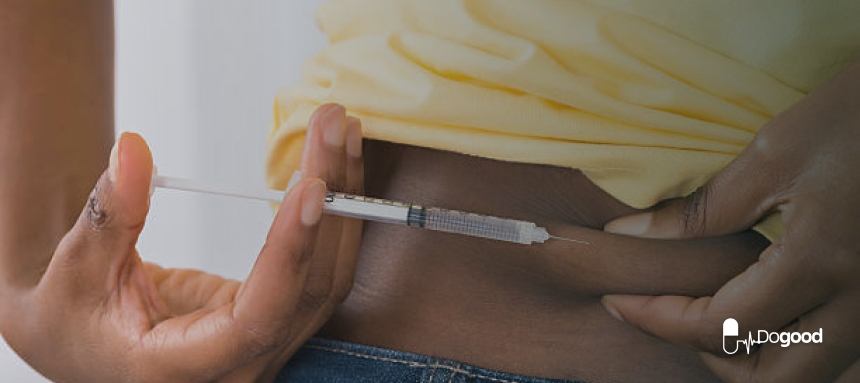
    Insulin and glucagon are two key hormones produced by the pancreas that work together to maintain balanced blood sugar (glucose) levels;an important process for energy production and overall health.

    Let’s take a closer look at these hormones and their functions below.

    Insulin: This hormone is released by the pancreas when blood sugar levels are high (after eating), insulin helps cells in muscles, fat, and the liver absorb glucose from the bloodstream for energy or storage as glycogen. This lowers blood sugar levels and keeps them in a healthy range.

    Glucagon: This hormone is released when blood sugar levels are low (such as between meals or during fasting), glucagon signals the liver to break down stored glycogen into glucose and release it into the bloodstream. This raises blood sugar levels to ensure that the body has enough energy.

    How Insulin Works in the Body

    After eating, carbohydrates are broken down into glucose, which enters the bloodstream.

    The pancreas senses the rise in blood glucose and releases insulin.

    • Insulin allows glucose to enter cells where it can be used for energy or stored for later use.
    • If there’s too much glucose, insulin promotes the storage of glucose in the liver as glycogen.

    In people with Type 1 diabetes, the body doesn’t produce insulin, so glucose can’t enter the cells, leading to high blood sugar levels. In Type 2 diabetes, cells become resistant to insulin’s effects, also causing high blood sugar.

    Blood Sugar Levels and Their Importance

    Maintaining balanced blood sugar levels is vital for the body’s energy supply, brain function, and metabolic processes. Too much sugar (hyperglycemia) can damage organs over time, while too little sugar (hypoglycemia) can lead to confusion, fainting, or seizures.

    Balanced blood sugar levels help:

    • Prevent long-term complications like heart disease, nerve damage, and kidney failure.
    • Maintain stable energy levels throughout the day.
    • Support cognitive function and overall well-being.

    Lifestyle Tips for Managing Diabetes

    Managing diabetes well means making healthy lifestyle choices. Here are some simple strategies to keep blood sugar levels steady and improve overall health:

    Regular Physical Activity

    Exercise plays a crucial role in managing diabetes. It helps the body use insulin more effectively, which lowers blood sugar levels. Physical activity also promotes weight loss, reduces stress, and improves cardiovascular health, all of which are essential for diabetes management.

    Examples of exercises to engage in are:

    • Walking: A simple and effective way to lower blood sugar levels and improve circulation.
    • Strength Training: Builds muscle, which increases insulin sensitivity and helps the body use glucose more efficiently.
    • Aerobic Exercise: Activities like swimming, biking, or jogging help to reduce blood sugar levels and improve heart health.
    • Flexibility and Balance Exercises: Yoga or stretching can improve flexibility and help manage stress, contributing to better overall health.

    Stress Management

    Stress can affects your Blood Sugar Levels, when you’re stressed, your body releases hormones like cortisol and adrenaline, which can raise your blood sugar. Ongoing stress can make it harder to manage diabetes by causing insulin resistance and leading to unhealthy eating habits.

    Techniques for reducing stress include :

    • Meditation: A mindfulness practice that can help lower stress and blood sugar levels by calming the mind and body.
    • Yoga: Combines movement and mindfulness, which can reduce stress and improve insulin sensitivity.
    • Deep Breathing: Simple breathing exercises can lower stress hormones and stabilize blood sugar.
    • Physical Activity: Regular exercise, as noted above, is also an excellent stress reliever.

    Quality of Sleep and Its Impact on Blood Sugar

    Not getting enough sleep can make it harder to control diabetes by reducing insulin sensitivity and increasing cravings for sugary foods, which raise blood sugar. Lack of sleep also leads to more stress and inflammation, making it even harder to manage blood sugar.

    The following tips are helpful for Improving quality of sleep

    • Maintain a regular sleep schedule.
    • Create a restful environment free of distractions.
    • Limit caffeine and heavy meals before bed.
    • Incorporate relaxation techniques such as reading or meditation before sleep.

    Diet and Nutrition to Manage Diabetes

    What you eat has a big impact on your blood sugar levels. Certain foods, especially those high in sugar or refined carbs, can cause blood sugar to spike, while a balanced diet helps keep it steady.

    Below are examples of classes of food to consider when creating your diabetes diet plan

    • Carbs: Carbohydrates raise blood sugar, so it’s important to choose healthy carbs like whole grains and veggies.
    • Fats: Healthy fats, like those from nuts or avocados, help keep you full and don’t raise blood sugar.
    • Proteins: Protein helps with muscle repair and keeps blood sugar steady when eaten with carbs.

    Worthy to note are

    Fiber rich foods : Dietary fiber is the part of plant foods that your body can’t digest or absorb. It helps slow down digestion, which aids in controlling blood sugar levels.

    Examples include :

    -Vegetables.

    -Fruits. For the most fiber benefit, eat whole fruits rather than drinking fruit juice.

    -Nuts.

    -Legumes, such as beans and peas.

    -Whole grains.

    Choosing the Right Carbohydrates

    The type of carbohydrates you eat can greatly affect your blood sugar levels. Choosing the right carbs helps keep blood sugar stable.

    A perfect example of carbs to consider in your diet are:

    -Low-Glycemic Foods: Low-glycemic foods, like whole grains, beans, and non-starchy vegetables, cause a slower rise in blood sugar compared to sugary or refined carbs.

    Portion Control and Meal Timing

    Managing how much and when you eat plays an important role in keeping blood sugar levels steady.

    Portion Control: Eating smaller portions helps prevent sharp spikes in blood sugar, especially after meals. It also makes it easier to manage weight, which is important for diabetes control.

    Meal Timing: Eating at regular times during the day helps maintain consistent blood sugar levels. Skipping meals or eating too late can lead to big swings in blood sugar, making it harder to manage diabetes effectively.

    Foods to Avoid or Limit as a Diabetes Patient

    High-Sugar Foods:

    Sugary Snacks: Candy, cookies, cakes, and pastries.

    Sugary Drinks: Soda, fruit juices, and sweetened teas.

    Refined Carbohydrates:

    White Bread and Pasta: These can cause quick spikes in blood sugar.

    Pastries and Croissants: Often high in sugar and low in nutrients.

    Processed Foods:

    Fast Food: Often high in unhealthy fats, sugar, and calories.

    Packaged Snacks: Chips and crackers that may contain added sugars and unhealthy fats.

    Fried Foods:

    French Fries and Fried Chicken: High in unhealthy fats and calories, which can lead to weight gain and insulin resistance.

    Full-Fat Dairy Products:

    Whole Milk and Cream: Higher in saturated fats, which can negatively impact heart health.

    Certain Condiments and Sauces:

    Ketchup and BBQ Sauce: Often contain added sugars.

    Sweet Salad Dressings: Check labels for hidden sugars.

    Alcohol:

    Sugary Cocktails: Can raise blood sugar levels quickly.

    Excessive Alcohol: Can cause blood sugar to drop too low and interfere with diabetes management.

    High-Sodium Foods:

    Processed Meats and Canned Soups: High in salt, which can lead to high blood pressure and other health issues.

    Limiting these foods can help better manage blood sugar levels and promote overall health. It’s essential to focus on a balanced diet that includes whole, nutrient-rich foods

    Medication to Manage Diabetes

    Types of Diabetes Medications

    There are several types of medications used to manage diabetes, depending on the type of diabetes and individual patient needs. Here’s a breakdown of the main categories:

    Insulin

    Description: Essential for people with Type 1 diabetes and sometimes for those with Type 2 diabetes. Insulin helps lower blood sugar levels by allowing glucose to enter cells.

    Types:

    -Rapid-acting: Begins working quickly (e.g., lispro, aspart).

    -Short-acting: Takes effect within a few hours (e.g., regular insulin).

    -Intermediate-acting: Works for a longer period (e.g., NPH insulin).

    -Long-acting: Provides a steady release of insulin over time (e.g., glargine, detemir).

    2. Metformin

    Description: The most commonly prescribed oral medication for Type 2 diabetes. It helps lower blood sugar levels by improving insulin sensitivity and reducing glucose production in the liver.

    3. Sulfonylureas

    Description: These are among the oldest diabetes drugs still used today. They work by stimulating the pancreas with the help of beta cells. This causes your body to make more insulin.

    Common examples include glipizide, glyburide, and glimepiride.

    4. Meglitinides

    Description: Similar to sulfonylureas but with a faster onset and shorter duration. They help lower blood sugar by stimulating insulin release (e.g., repaglinide, nateglinide).

    5. Thiazolidinediones (TZDs)

    Description: Improve insulin sensitivity and lower blood sugar by acting on fat and muscle cells (e.g., pioglitazone, rosiglitazone).

    6. Dipeptidyl peptidase-4 (DPP-4) inhibitors

    Description: Help increase insulin production and decrease glucose production in the liver (e.g., sitagliptin, saxagliptin).

    7. Glucagon-like peptide-1 receptor agonists (GLP-1 receptor agonists)

    Description: Mimic incretin hormones, which help lower blood sugar by increasing insulin secretion and slowing down digestion (e.g., liraglutide, exenatide). These medications are often administered via injection.

    8.Sodium-glucose transport protein 2 (SGLT2) inhibitors

    Description: Help lower blood sugar by preventing glucose reabsorption in the kidneys, leading to increased glucose excretion in urine (e.g., canagliflozin, empagliflozin).

    9. Alpha-Glucosidase Inhibitors

    Description: Slow down carbohydrate digestion and absorption in the intestines, helping to control blood sugar levels after meals (e.g., acarbose, miglitol).

    Things to note;

    The choice of medication depends on various factors, including the type of diabetes, individual health conditions, and potential side effects.

    Lifestyle changes, such as diet and exercise, are often recommended alongside medication for better blood sugar control.

    Always consult with a healthcare provider for personalized advice and treatment plans.

    Consult Your Doctor

    There are many medications and diet plans available to help manage both type 1 and type 2 diabetes. Each option works differently to control blood sugar levels.

    It’s important to ask your doctor which diabetes medication is right for you. They can recommend the best treatment based on your type of diabetes, overall health, and other individual factors.

    Keep in mind, new diabetes medications are constantly being researched and approved, so discussing the latest options with your doctor can be beneficial.

    Conclusion

    In summary, effectively managing diabetes requires a balanced approach that combines lifestyle choices, a healthy diet, and the appropriate use of medication. Regular physical activity, portion control, and mindful eating all contribute to maintaining stable blood sugar levels.

    It’s also important to stay consistent with your treatment plan and not hesitate to seek support from healthcare professionals, family, or diabetes support groups.

    By working together and remaining committed to your health, you can achieve better control over your diabetes and enhance your overall well-being.


  • Lydia Contraceptive in Ghana: Uses, Effectiveness, Side Effects & FAQs

    Lydia Contraceptive in Ghana: Uses, Effectiveness, Side Effects & FAQs

    Lydia contraceptive is a popular hormonal birth control method that offers women an effective way to prevent unwanted pregnancies. As a progestin-only pill, it provides a reliable contraceptive option for those who cannot or prefer not to use estrogen-based methods.

    Wondering if Lydia contraceptive is the right option for you? Ask a licensed doctor online on DrDoGood in Ghana for quick, confidential guidance.

    In this comprehensive guide, you’ll learn about the benefits of using Lydia contraceptive, including its effectiveness as an emergency contraceptive. We’ll cover how to take Lydia contraceptive properly, potential side effects to watch out for, and answer common questions like how long it stays in your body and whether it can delay your period. By the end, you’ll have a clear understanding of this contraceptive method and be better equipped to make informed decisions about your reproductive health.

    What is Lydia Contraceptive?

    Lydia contraceptive is a popular emergency birth control option designed to prevent unwanted pregnancies. It’s an over-the-counter medication that you can use after unprotected sex or when your regular contraceptive method fails. The Lydia contraceptive is not intended for regular use as a primary form of birth control but rather as an emergency measure.

    Active ingredient

    The active ingredient in Lydia contraceptive is levonorgestrel, a synthetic progestogen similar to the natural hormone progesterone. Each Lydia postpill contains 1.5 mg of levonorgestrel. This hormone is commonly found in various oral contraceptives and intrauterine devices (IUDs).

    How it works

    Lydia contraceptive works through several mechanisms to prevent pregnancy:

    1. Delaying ovulation: The primary way Lydia contraceptive works is by postponing the release of an egg from your ovary. This delay in ovulation is most effective when you take the pill before your ovulatory period.
    2. Thickening cervical mucus: Levonorgestrel alters the consistency of the mucus in your cervix, making it more difficult for sperm to travel into the uterus and fertilize an egg.
    3. Altering the uterine lining: The hormone also causes changes in your uterine lining, potentially making it less suitable for implantation of a fertilized egg.

    Experiencing unexpected side effects after taking Lydia? Chat with a specialist on DrDoGood and get tailored advice instantly

    It’s important to note that Lydia contraceptive does not interrupt an established pregnancy or harm a developing embryo. If you’re already pregnant when you take the pill, it won’t have any effect on the pregnancy.

    Effectiveness

    The effectiveness of Lydia contraceptive depends on how quickly you take it after unprotected sex. When used within 72 hours (3 days) of unprotected intercourse, Lydia contraceptive has an 84% effectiveness rate in preventing pregnancy. However, it’s most effective when taken as soon as possible, preferably within 24 hours after unprotected sex.

    The timing of your ovulation can affect the pill’s effectiveness. If you’ve already ovulated when you take Lydia contraceptive, it may not be as effective in preventing pregnancy. This is because the pill primarily works by delaying ovulation, and if an egg has already been released, there’s a higher chance of fertilization occurring.

    Not sure if you took Lydia contraceptive correctly? Speak to a DrDoGood doctor in Ghana for step-by-step guidance to stay protected.

    It’s worth noting that Lydia contraceptive doesn’t provide any protection against sexually transmitted infections. If you’re concerned about STIs, you should use additional protection like condoms.

    Remember, while Lydia contraceptive is an effective emergency option, it’s not designed for regular use. Frequent use can disrupt your menstrual cycle and lead to irregular periods. For ongoing contraception, it’s best to consult with a healthcare provider to find a suitable long-term method that fits your needs and lifestyle.

    Benefits of Lydia Contraceptive

    Emergency contraception

    Lydia contraceptive serves as an effective emergency birth control option, helping to prevent unwanted pregnancies after unprotected sex or contraceptive failure. When used properly, emergency contraception can prevent up to over 95% of unintended pregnancies. This makes Lydia contraceptive a valuable tool for women who find themselves in unexpected situations or when their regular contraceptive method fails.

    Need a quick check after using emergency contraception? Book a confidential pregnancy or STI test in Ghana on DrDoGood today.

    One of the key advantages of Lydia contraceptive is its high effectiveness rate. When taken within 72 hours after unprotected intercourse, it has an 84% success rate in preventing pregnancy. However, it’s important to note that the sooner you take it after unprotected sex, the higher the success rate. This makes Lydia contraceptive a reliable option for those seeking to avoid unintended pregnancies in emergency situations.

    Ease of use

    Taking Lydia contraceptive is straightforward and doesn’t require medical supervision. The recommended single dose is 1.5mg of Levonorgestrel, which should be taken within 72 hours after unprotected sex. This simple dosage makes it easy for women to use the contraceptive correctly without confusion.

    There are two common ways to take Lydia contraceptive pills. You can either take both tablets at the same time or take one tablet as soon as possible (preferably within 24 hours) and the second tablet 12 hours later. This flexibility allows you to choose the method that best suits your situation and schedule.

    Note: We recommend you to consult a DrDoGood doctor for better prescription.

    Accessibility

    One of the significant benefits of Lydia contraceptive is its accessibility. In many countries, including Ghana, emergency contraceptive pills like Lydia post pill are available over-the-counter without a prescription. This means you can easily obtain the contraceptive from pharmacies and drugstores without the need for a doctor’s visit or prescription.

    However, it’s crucial to remember that while Lydia contraceptive is easily accessible, it doesn’t provide protection against sexually transmitted infections. If you’re concerned about STIs, you should use additional protection like condoms.

    Need a quick check after using emergency contraception? Book a confidential pregnancy or STI test in Ghana via DrDoGood today.

    How to Use Lydia Contraceptive

    Using Lydia contraceptive correctly is crucial to ensure its effectiveness as an emergency contraceptive method. Here’s a comprehensive guide on how to take Lydia contraceptive properly:

    Timing

    The timing of when you take Lydia contraceptive is critical for its effectiveness. You should take the pill as soon as possible after unprotected sex, ideally within 12 hours, but no later than 72 hours (3 days). Remember, the sooner you take the pill after unprotected intercourse, the higher its effectiveness in preventing pregnancy.

    It’s important to note that Lydia contraceptive is designed for emergency use only and should not be relied upon as a regular form of birth control. If you find yourself needing to use emergency contraception frequently, it may be helpful to consult with a healthcare provider about more effective, long-term contraceptive methods.

    Not sure if you took Lydia contraceptive correctly? Speak to a DrDoGood doctor in Ghana for step-by-step guidance to stay protected.

    Dosage instructions for Lydia contraceptive

    Lydia contraceptive comes in a single tablet containing 1.5 mg of levonorgestrel. To use it correctly, follow these steps:

    1. Take the pill orally with water. Do not chew or crush the tablet.
    2. You can take Lydia contraceptive with food to help reduce potential side effects like nausea, dizziness, and headache.
    3. If you’re using a two-pill regimen, take the second pill 12 hours after the first one.

    It’s crucial to understand that Lydia contraceptive does not provide ongoing protection against pregnancy. You could become pregnant the next time you have unprotected sex unless you start using another contraceptive method immediately. In fact, you may be most fertile soon after taking emergency contraceptive pills (ECPs).

    To ensure continuous protection, start using another contraceptive method by the next day. This may include using a backup method if your chosen ongoing contraceptive requires it.

    Not sure if you took Lydia contraceptive correctly? Ask a DrDoGood doctor in Ghana for step-by-step guidance to stay protected.

    What to do if you vomit

    If you vomit within two hours of taking Lydia contraceptive, you should take another dose immediately. This is because the medication may not have been fully absorbed by your body.

    If vomiting occurs more than two hours after taking the pill, you don’t need to take an extra dose. However, if you’re unsure or concerned, it’s always best to consult with a healthcare provider or pharmacist for advice.

    To help prevent vomiting, you can try taking an anti-nausea medication before your repeat dose of Lydia contraceptive. If vomiting continues and you’re unable to keep the pill down, you have the option of placing the pill high in your vagina for absorption.

    Curious how your diet affects contraception effectiveness? Connect with our dietician Rd. Gracia Helarie on DrDoGood for personalized nutrition tips.

    Remember, while Lydia contraceptive is an effective emergency contraceptive method, it’s not 100% foolproof. If your period is more than seven days late after taking Lydia contraceptive, it’s advisable to take a pregnancy test or consult with a healthcare provider.

    By following these instructions carefully, you can maximize the effectiveness of Lydia contraceptive in preventing unintended pregnancy after unprotected sex or contraceptive failure.

    How Much Is Lydia Contraceptive in Ghana?

    The price of Lydia Contraceptive Pills in Ghana typically ranges between GHS 15 to GHS 30 per pack, depending on the type and dosage. This price range ensures that a wider demographic can afford these contraceptives, thereby promoting better family planning practices and reducing unplanned pregnancies.

    Comparing Costs with Other Contraceptives

    When compared to other contraceptive options available in Ghana, Lydia Contraceptive Pills offer a cost-effective solution. Their competitive pricing ensures that women have access to reliable contraception without financial strain. This comparison helps users understand the value Lydia Contraceptive provides relative to other methods.

    How Long Does Lydia Contraceptive Stay in the Body?

    The hormones in Lydia Contraceptive Pills generally remain in the body for a short duration after discontinuation. Typically, these hormones clear out within a few days to a week, allowing the body to resume its natural menstrual cycle. However, the time may vary based on individual metabolic rates and physiological differences.

    Hormonal Clearance from the Body

    After stopping Lydia Contraceptive Pills, the synthetic hormones are gradually cleared from the body. This process usually takes a few days to a week. The body’s natural hormone production resumes, and menstrual cycles typically return to their pre-pill state within a month or so.

    Factors Affecting Hormone Clearance

    Individual metabolic rates can influence how quickly hormones are cleared from the body. Factors such as age, weight, and overall health can play significant roles. Understanding these factors can help users anticipate how their bodies might respond after stopping the pills.

    Resumption of Natural Menstrual Cycles

    Once the synthetic hormones are cleared, the body’s natural menstrual cycle resumes. Most women experience a return to their regular cycles within a few weeks. However, some may take longer, depending on individual health conditions and metabolic variations.

    Side Effects of Lydia Contraceptive​

    Common side effects

    When using Lydia contraceptive, you may experience some common side effects. These typically include nausea, vomiting, abdominal pain, fatigue, dizziness, headache, and breast tenderness. Changes in your menstrual cycle are also possible, such as spotting or alterations in the timing and flow of your next period. It’s important to note that most of these side effects are usually mild and short-term, often resolving within a few days.

    If you experience nausea or vomiting after taking Lydia contraceptive, it’s crucial to be aware that approximately 1% of women may vomit within three hours of taking the pill. In such cases, the effectiveness of the emergency contraceptive may be compromised, and you should contact a healthcare provider as soon as possible for advice.

    When to see a doctor

    While most side effects of Lydia contraceptive are minor, there are situations where you should seek medical attention. If your period is more than five days late or is unusually light or heavy, it’s advisable to consult your doctor. This could indicate a potential pregnancy or other underlying issues.

    You should also contact a healthcare provider if you experience severe lower stomach pain, especially three to five weeks after taking Lydia contraceptive. This could be a sign of an ectopic pregnancy, which is a serious medical condition requiring immediate attention.

    In rare cases, you may have an allergic reaction to Lydia contraceptive. If you notice symptoms such as rash, itching, swelling (especially of the face, tongue, or throat), severe dizziness, or difficulty breathing, seek emergency medical help immediately.

    Drug interactions

    It’s important to be aware that certain medications can interact with Lydia contraceptive, potentially reducing its effectiveness. Before taking this emergency contraceptive, inform your healthcare provider about all the medications you’re currently using, including prescription drugs, over-the-counter medicines, and herbal supplements.

    Some drugs that may decrease the effectiveness of Lydia contraceptive include:

    1. Rifamycins (such as rifampin and rifabutin)
    2. Certain anti-seizure medications (like carbamazepine, phenytoin, and topiramate)
    3. HIV medications (such as nelfinavir and nevirapine)
    4. St. John’s Wort
    5. Griseofulvin (an antifungal medication)
    6. Modafinil (used for sleep disorders)

    If you’re taking any of these medications, your healthcare provider may recommend alternative emergency contraception methods or adjust your dosage to ensure effectiveness.

    Remember, Lydia contraceptive is designed for occasional use as an emergency measure and should not be relied upon as a regular form of birth control. If you find yourself needing emergency contraception frequently, it’s advisable to consult with a healthcare provider about more suitable long-term contraceptive options.

    Conclusion

    Lydia contraceptive offers a reliable emergency option to prevent unwanted pregnancies. Its effectiveness, ease of use, and accessibility make it a valuable tool for women in unexpected situations. However, it’s crucial to remember that this is not a regular birth control method and should only be used in emergencies. Proper usage, including timely administration and awareness of potential side effects, is key to maximizing its benefits.

    While it provides a safety net, it’s essential to consider long-term contraceptive solutions for ongoing protection. To get personalized advice on the best contraceptive methods for your needs, you can consult with healthcare professionals on the DrDoGood. By staying informed and making thoughtful choices about contraception, women can take control of their reproductive health and plan their futures with confidence.

    FAQs

    Does lydia contraceptive work during ovulation​

     Lydia contraceptive, like other morning-after pills, aims to prevent ovulation. However, if ovulation has already occurred and the egg is released, taking emergency contraception may not prevent pregnancy, as it cannot stop the fertilization of an already released egg.

    How can I confirm that Lydia contraceptive has been effective?

    The primary indication that Lydia contraceptive has worked is the arrival of your next menstrual period. While it’s understandable to be anxious, remember that when taken within 24 hours of unprotected intercourse, morning-after pills like ellaOne are 99% effective. Familiarizing yourself with your menstrual cycle can also be helpful.

    What impact does Lydia have on menstrual cycles?

    Lydia contraceptive can cause menstrual disturbances as one of its side effects. Studies show that about 30% of users experience bleeding within seven days of taking emergency contraception, and up to 13% might face a delay in their menstruation exceeding seven days.

    How does lydia contraceptive work​

    Lydia Contraceptive Pills primarily function by altering the hormonal balance within the body. These pills contain synthetic hormones—progestin and estrogen—that mimic natural hormones, thereby preventing ovulation. Without ovulation, there is no egg available for fertilization. 


  • How Many Different Types of Diabetes Are There? Type 1, Type 2, Gestational, and More

    How Many Different Types of Diabetes Are There? Type 1, Type 2, Gestational, and More

    Diabetes occurs when blood sugar levels become too high.If you are wondering how many different types of diabetes are there;  there are two main types: Type 1, where the immune system destroys insulin-producing cells, and Type 2, where the body produces insufficient insulin or cells resist it.

    On the other hand, Gestational diabetes, which occurs during pregnancy, usually resolves after childbirth. Type 2 is more common, with diabetes affecting 2.6% to 9% of Ghanaians. 

    Let’s get into more detail about the types of diabetes you should know about. 

    Which Type of Diabetes Do You Need to Know About?

    Diabetes refers to conditions where your blood sugar levels are too high. There are several types, each with unique causes and characteristics. Here’s a simple guide to help you understand the different types.

    Type 1 Diabetes

    • What happens? The body’s immune system attacks the insulin-producing cells in the pancreas, meaning no insulin is produced.
    • Impact: Without insulin, glucose stays in the blood instead of entering the cells to provide energy.
    • Management: Requires insulin therapy for life.

    Type 2 Diabetes

    • What happens? The pancreas either doesn’t make enough insulin, or the insulin doesn’t work properly (insulin resistance).
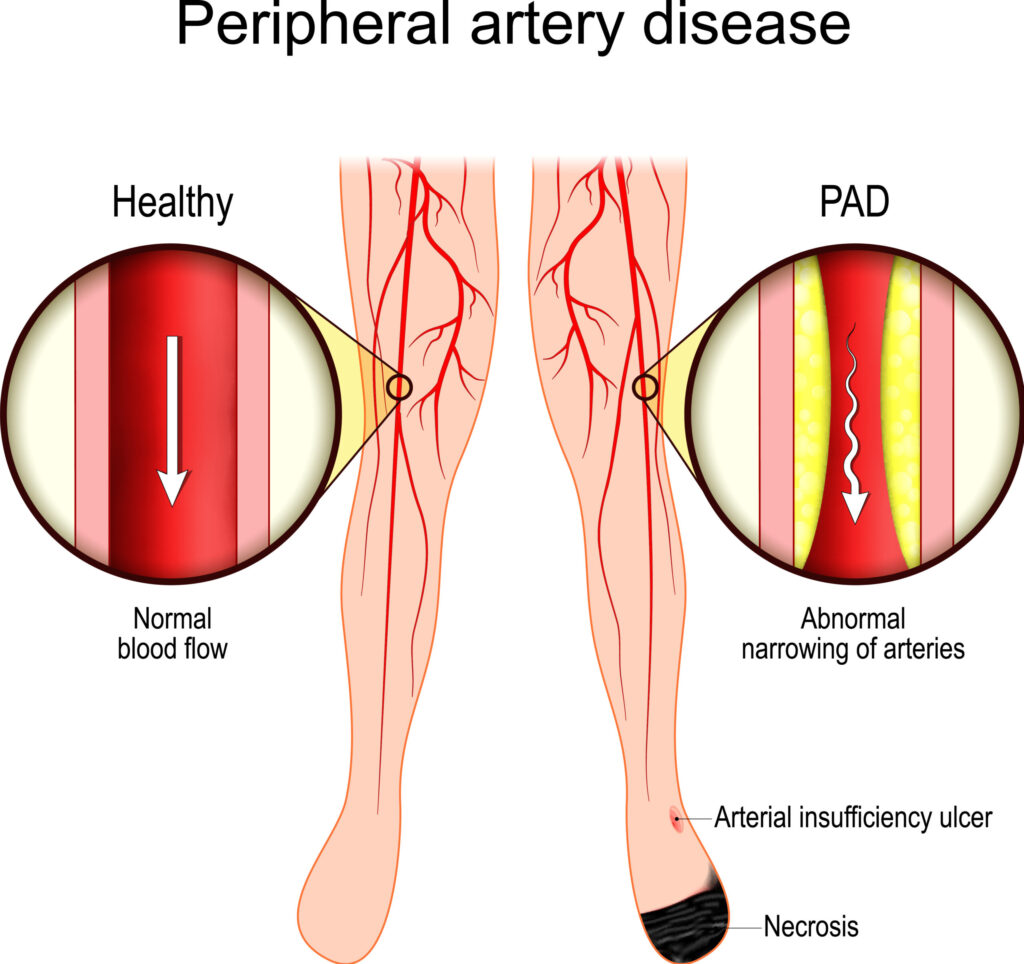
    • Impact: Blood sugar levels rise, which can lead to complications if untreated (e.g., heart, eye, and foot problems).
    • Commonality: Around 90% of people with diabetes have type 2.
    • Management: Lifestyle changes, medications, and sometimes insulin therapy.

    Gestational Diabetes

    • What happens? Develops during pregnancy in women who have never had diabetes before.
    • Impact: High blood sugar levels can affect both the mother and baby.
    • Management: Diet, exercise, and sometimes medication. It usually resolves after childbirth

    Other Types of Diabetes

    Maturity-Onset Diabetes of the Young (MODY)

    • Cause: A genetic mutation inherited from one parent.
    • Impact: Develops before age 25, regardless of weight or lifestyle.
    • Management: Often managed with specific medications, sometimes without insulin.

    Neonatal Diabetes

    • What is it? Diagnosed in infants under 6 months.
    • Cause: Not an autoimmune disorder, unlike type 1.
    • Management: Can involve insulin or other treatments depending on the type.

    Latent Autoimmune Diabetes in Adults (LADA)

    • What is it? A slow-developing form of type 1 diabetes, often confused with type 2.
    • Management: Initially managed like type 2, but insulin is eventually needed.

    Rare Types of Diabetes

    • Type 3c Diabetes: Caused by diseases (like pancreatitis or pancreatic cancer) that damage the pancreas.
    • Steroid-Induced Diabetes: Triggered by long-term steroid use, especially in those at risk of type 2.
    • Cystic Fibrosis Diabetes: A specific type seen in people with cystic fibrosis, combining elements of both type 1 and type 2.
    • Monogenic Diabetes: Caused by a mutation in a single gene. Some cases can be managed with pills instead of insulin.
    • Wolfram Syndrome: A rare genetic disorder with diabetes along with vision and hearing loss.
    • Alström Syndrome: A genetic syndrome that involves diabetes and other health issues.
    Take a free prediabetes test to know your risk of getting diabetes.

    What is the Difference Between Diabetes Insipidus and Diabetes Mellitus?

    If you’re wondering about the difference between diabetes mellitus and diabetes insipidus, here’s a quick comparison:

    • Diabetes Mellitus: Involves high blood sugar due to insufficient insulin; urine has a sweet smell from excess glucose.
    • Diabetes Insipidus: Involves excessive urination and thirst due to the kidneys’ inability to concentrate urine; urine is colourless and odourless.

    What are the Signs of Diabetes in Men? 

    Here are some common signs of diabetes in men, which can help with early detection and prompt treatment: 

    SignDescription
    Frequent urinationUrinating more often, especially during the night.
    Increased thirstFeeling extremely thirsty, sometimes drinking up to 6–7 litres a day.
    FatiguePersistent tiredness, even with enough rest.
    Unexplained weight lossLosing weight without trying, despite a normal or increased appetite. You can find out your BMI through the BMI calculator
    Slow-healing woundsCuts, bruises, or small injuries take longer to heal.
    Blurred visionCaused by dryness of the lens, affecting focus.
    Erectile dysfunction (ED)Diabetes can lead to ED at younger ages than usual.
    Reduced muscle massRaised blood sugar causes the body to break down muscle and fat for energy.
    Acanthosis nigricansDark, velvety patches of skin, often appearing on the neck, armpits, or groin.

    What are the Signs of Diabetes in Women?

    Here are some common signs of diabetes in women, which can help with early diagnosis and effective management:

    SignDescription
    Frequent urinationUrinating more often, especially at night.
    Excessive thirstPersistent thirst, needing to drink frequently.
    Unexplained weight lossLosing weight without trying or lifestyle changes.
    Vaginal infectionsRecurrent yeast infections or urinary tract infections (UTIs).
    Vaginal drynessDecreased lubrication, causing discomfort.
    Period irregularitiesMenstrual cycles that become irregular or unpredictable.
    InfertilityDifficulty conceiving, possibly linked to insulin resistance.
    Pregnancy complicationsHigher risk of complications like gestational diabetes.
    Slow-healing woundsCuts and injuries take longer to heal than usual.
    Blurred visionVision problems caused by dry eyes and fluctuating sugar levels.
    Skin changesDry, itchy skin or dark, velvety patches (acanthosis nigricans) on neck, armpits, and joints.
    NauseaCan occur with high or low blood sugar levels (hyperglycemia or hypoglycemia).

    What Are the Treatment Options for Different Types of Diabetes?

    No matter what type of diabetes you have, working closely with your doctor is key to managing it. 

    The main goal is to keep your blood sugar (glucose) levels within your target range, which your doctor will set based on your specific situation. These targets can vary depending on:

    1. The type of diabetes you have
    2. Your age
    3. Any existing complications

    Main ways to treat different types of diabetes include:

    • Exercise and diet play an important role in managing all types of diabetes.
    • Monitoring blood sugar is essential, regardless of type.
    • Medications and insulin are crucial for type 1 and sometimes necessary for type 2.
    • Regular check-ups with your doctor help prevent complications and keep your treatment plan on track.

    With the right care and support, managing diabetes is possible, allowing you to live a healthy, active life.

    What is the Treatment for Type 1 vs Type 2 Diabetes?

    Managing type 1 and type 2 diabetes requires different approaches, but both focus on keeping blood sugar levels under control.

    Treatment for Type 1 Diabetes

    • Insulin is essential. Everyone with type 1 diabetes must take insulin because their pancreas no longer produces it.
    • Types of insulin: There are different types, each with varying speeds of action and duration.
    • How it’s taken:
      • Injected under the skin (your doctor will teach you how to rotate injection sites).
      • Insulin pumps: Worn outside the body, releasing insulin at programmed intervals.
    • Monitoring blood sugar: Continuous glucose monitors (CGMs) can track your sugar levels 24/7.
    • Managing other health factors: You may need medications for cholesterol, blood pressure, or complications.

    Treatment for Type 2 Diabetes

    • Lifestyle changes: Diet and exercise are often enough to manage or even reverse type 2 diabetes.
    • First-line medication:
      • Metformin is usually the first medication prescribed. It lowers glucose production in the liver.
      • If metformin isn’t enough, your doctor can recommend other medications.
    • Monitoring: Regular blood sugar checks are necessary to stay on track.
    • Managing other health factors: You may also need medication for blood pressure or cholesterol.

    Learn more about Diabetes:

    FAQs

    What is type 1 and type 2 diabetes?

    Type 1 diabetes is an autoimmune condition where the body destroys insulin-producing cells, requiring insulin injections. Type 2 diabetes occurs when the body becomes resistant to insulin, often linked to obesity and inactivity.

    Is type 2 diabetes serious?

    Yes, type 2 diabetes is serious as it can lead to complications affecting the heart, kidneys, eyes, nerves, and circulation. Proper management with lifestyle changes and medication is essential to prevent long-term health issues.

    What is the most common medication for type 2 diabetes?

    Metformin is the most common medication for type 2 diabetes. It works by reducing glucose production in the liver and increasing insulin sensitivity in muscle tissue.

    How is diabetes diagnosed?

    Diabetes is diagnosed using the A1C test, fasting blood sugar test, or glucose tolerance test. A random blood sugar level over 200 mg/dL also suggests diabetes, and ketone tests may be used for type 1 diabetes diagnosis.

    Wrap Up

    Now you know how many different types of diabetes are there, including  several forms, such as Type 1, Type 2, and gestational diabetes, each with unique causes and treatment needs. Proper management is essential to control blood sugar levels and reduce the risk of complications.

    For tailored support in managing your condition, book a consultation with a healthcare provider through the DrDoGood platform, offering convenient virtual care for diabetes management.

    book doctor
  • Can Diabetes Be Cured? Exploring Treatment Options and Remission in Ghana

    Can Diabetes Be Cured? Exploring Treatment Options and Remission in Ghana

    Diabetes is a chronic condition affecting millions, including a growing number of Ghanaians. While there is currently no permanent cure, type 2 diabetes can often be reversed or put into remission with sustained lifestyle changes, proper medical treatment, and regular monitoring.

    With structured care, patients can manage blood sugar levels, prevent complications, and improve quality of life. You can consult a doctor online in Ghana through DrDoGood for guidance on managing your condition effectively.

    Understanding Diabetes Types and Management

    • Type 1 Diabetes: Occurs when the body stops producing insulin, usually in childhood or young adulthood. Management requires lifelong insulin therapy, frequent blood sugar monitoring, and healthy lifestyle choices.
    • Type 2 Diabetes: Happens when the body becomes insulin resistant or doesn’t produce enough insulin, often linked to obesity and lifestyle factors. Diet, exercise, weight management, and medications such as Metformin are key to controlling symptoms. Early intervention can reverse prediabetes and delay type 2 diabetes progression.
    • Gestational Diabetes: Develops during pregnancy due to reduced insulin response. It is usually temporary but requires careful management with diet, exercise, and sometimes insulin. Women can lower future risk by maintaining a healthy weight before pregnancy.
    • Monogenic Diabetes: Is rare and caused by mutations in a single gene. Diagnosis requires specialized care and targeted treatment.
    • Type 3c Diabetes: Develops from pancreatic damage such as surgery or pancreatitis, impairing insulin production. Management focuses on blood sugar control and treating underlying pancreatic issues.
    • Cystic Fibrosis-Related Diabetes: Arises from pancreatic complications in cystic fibrosis. Patients require insulin therapy, monitoring, and coordination with CF care teams.
    • Prediabetes: Occurs when blood sugar levels are elevated but not high enough for a diabetes diagnosis. Lifestyle changes, weight management, and regular exercise can reverse this condition and prevent progression to type 2 diabetes.

    Treatment Approaches in Ghana

    • Medical Management
    1. For Type 1 Diabetes, lifelong insulin therapy is necessary, along with regular blood sugar monitoring. You can find a diabetes doctor in Ghana to tailor a care plan.
    2. For Type 2 Diabetes, remission is possible for many patients. Weight management, a balanced diet, and regular physical activity are essential. Medications like Metformin, SGLT2 inhibitors, or GLP-1 receptor agonists may be prescribed. Early intervention can reverse prediabetes and improve long-term outcomes.
    3. For gestational, monogenic, Type 3c, and cystic fibrosis-related diabetes, treatment is specialized and adapted to individual patient needs. Regular monitoring and consultation with healthcare professionals are essential.
    • Lifestyle and Dietary Interventions in Ghana

    Diet Recommendations:

    • Focus on non-starchy vegetables, whole grains, legumes, and lean proteins.

    • Limit refined carbs, sugary foods, and highly processed products.

    • Incorporate locally available superfoods such as moringa, millet, and okra.

    Physical Activity:

    • Walking, cycling, and community exercise programs help control blood sugar.

    Weight Management

    • Achieve and maintain a healthy BMI through diet and exercise.

    • Track progress using tools like a BMI calculator.

    Mental Health Considerations

    • Stress, anxiety, and depression can affect blood sugar control.

    • Peer support, counseling, and community programs improve adherence to treatment.

    Diabetes Remission and Natural Support

    While not a permanent cure, diabetes remission means blood sugar stays within a healthy range without medication. Strategies include sustained weight loss, balanced diet, regular exercise, and ongoing monitoring.

    Natural supportive measures may include high-fiber locally sourced foods, fermented Ghanaian foods like koko or ogi, and stress reduction practices. These should complement medical treatment, not replace it.

    Medicines That Support Diabetes Management

    Common medications include:

    • Metformin: lowers blood sugar and improves insulin sensitivity.

    • SGLT2 inhibitors: help the kidneys remove excess glucose.

    • GLP-1 receptor agonists: injectable medication that stimulates insulin production.

    Always consult a doctor for proper dosage and management. You can talk to a doctor online in Ghana for guidance.

    FAQs About Diabetes Cure

    • Can diabetes be cured permanently?
      No, but type 2 diabetes can sometimes be reversed with lifestyle changes and treatment.

    • Can walking cure diabetes?
      Walking improves insulin sensitivity, but must be combined with diet, weight management, and medication as prescribed.

    • What foods help reverse diabetes?
      Non-starchy vegetables, whole grains, lean proteins, omega-3 rich foods, and fiber-rich local foods.

    • How long can someone live with diabetes?
      With proper care, patients in Ghana can have a near-normal lifespan through blood sugar control, healthy habits, and regular medical consultations.

    Taking Action in Ghana

    Managing diabetes and achieving remission is possible with expert guidance, lifestyle changes, and consistent monitoring.

    Start your online consultation today and take care of your diabetes journey with DrDoGood in Ghana.

    find a doctor
  • A Complete Guide to Diabetes: Symptoms, Causes, and Treatments

    A Complete Guide to Diabetes: Symptoms, Causes, and Treatments

    Diabetes is a long-term condition that affects millions of people around the world. Understanding diabetes symptoms, causes, and treatments is important. This knowledge helps you manage your health better.

    You may have heard about diabetes, but do you know how it impacts your body and what signs to look out for? You’ll discover what diabetes is and how it affects your blood sugar levels. We will look at the common symptoms of diabetes. These include feeling extremely hungry, being incredibly thirsty, and having wounds that heal sluggishly. We will also discuss the factors that increase your risk.

    You’ll also learn about the diagnostic process, various treatment options like insulin therapy, and strategies to manage diabetes effectively. You will see how easy it is to find a doctor online with the Dr Do Good Platform for managing diabetes. If you are concerned about prediabetes, type 1 diabetes, or type 2 diabetes, this guide is for you. This resource is also for anyone who wants to stay informed about diabetes.

    What is Diabetes?

    Definition

    Diabetes is a chronic metabolic condition characterized by elevated blood glucose levels. It occurs when your body either doesn’t produce enough insulin or can’t use insulin effectively. Insulin, a hormone produced by the pancreas, plays a crucial role in regulating blood sugar levels. When you have diabetes, your body struggles to maintain normal blood glucose levels, which can lead to various health complications over time.

    Types of Diabetes

    There are several types of diabetes, each with its own unique characteristics:

    1. Type 1 Diabetes: This is an autoimmune condition where your immune system mistakenly attacks and destroys the insulin-producing beta cells in your pancreas. As a result, your body produces little or no insulin. Type 1 diabetes often develops in children and young adults, but it can occur at any age.
    2. Type 2 Diabetes: This is the most common form of diabetes, accounting for about 90% of all cases. In type 2 diabetes, your body becomes resistant to insulin or doesn’t produce enough insulin to maintain normal blood glucose levels. It typically develops in adults, but it’s increasingly being diagnosed in younger people due to sedentary lifestyles and obesity.
    3. Gestational Diabetes: This type occurs during pregnancy when hormonal changes cause insulin resistance. It usually resolves after childbirth, but women who experience gestational diabetes have an increased risk of developing type 2 diabetes later in life. Read about how diabetes affect women’s health.
    4. Prediabetes: This condition is characterized by blood glucose levels that are higher than normal but not high enough to be diagnosed as type 2 diabetes. It’s often a precursor to type 2 diabetes.

    How Insulin Works For Diabetes

    insulin for diabetes

    To understand diabetes, it’s essential to know how insulin functions in your body. Insulin is a hormone that acts as a key, allowing glucose to enter your cells and provide energy. Here’s how it works:

    1. After you eat, your digestive system breaks down carbohydrates into glucose, which enters your bloodstream.
    2. Your pancreas detects the rise in blood glucose levels and releases insulin.
    3. Insulin helps your cells absorb glucose from the bloodstream, lowering your blood sugar levels.
    4. Excess glucose is stored in your liver and muscles as glycogen for later use.

    In diabetes, this process is disrupted. If you have type 1 diabetes, your body doesn’t produce insulin, so glucose can’t enter your cells. In type 2 diabetes, your cells become resistant to insulin, making it difficult for glucose to enter. As a result, glucose builds up in your bloodstream, leading to high blood sugar levels.

    Understanding the different types of diabetes and how insulin works is crucial for managing the condition effectively. By maintaining healthy blood glucose levels through proper diet, exercise, and medication (if necessary), you can reduce the risk of complications and lead a fulfilling life with diabetes.

    Signs and Symptoms of Diabetes

    Recognizing the symptoms of diabetes is crucial for early detection and management of the condition. While some symptoms are common to all types of diabetes, others are specific to type 1 or type 2 diabetes. Let’s explore these symptoms in detail.

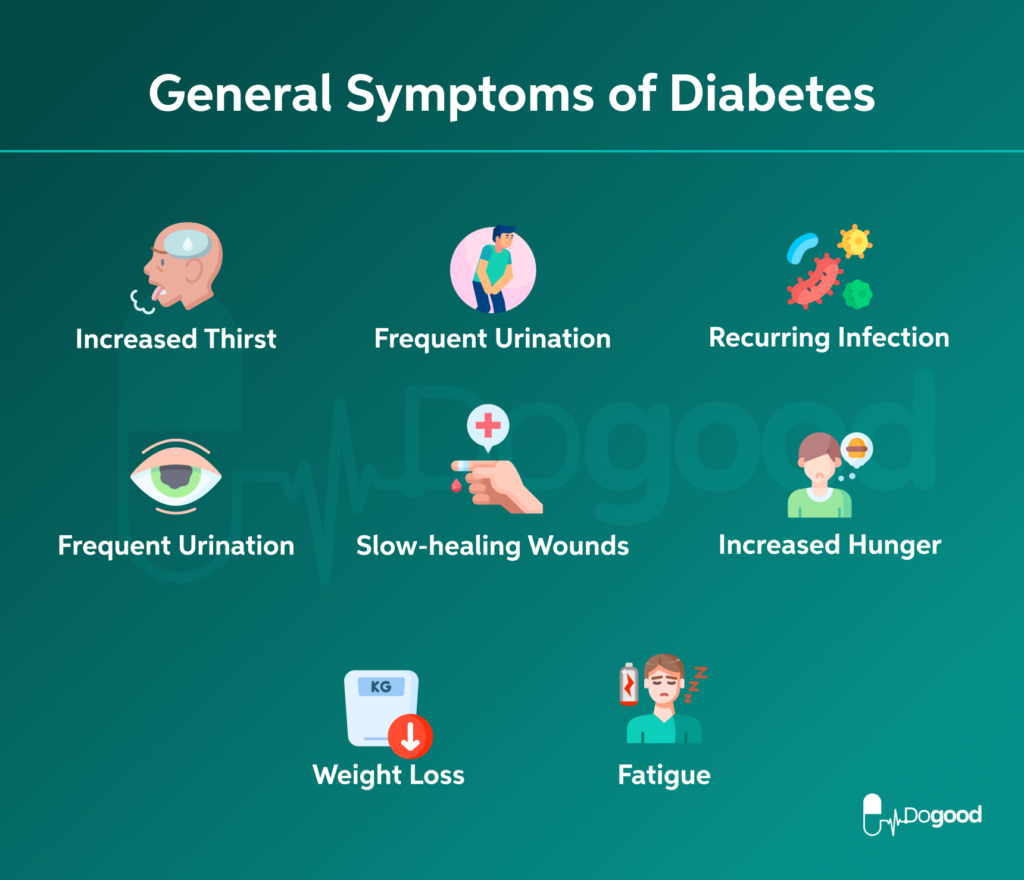
    General Symptoms

    Symptoms of diabetes

    The most common symptoms of diabetes include:

    1. Increased thirst: You may find yourself feeling excessively thirsty, even after drinking plenty of fluids.
    2. Frequent urination: You might notice that you’re going to the bathroom more often, especially at night.
    3. Fatigue: Feeling unusually tired or worn out is a common sign of diabetes.
    4. Blurred vision: High blood sugar levels can cause changes in the shape of your eye’s lens, leading to blurry vision.
    5. Slow-healing wounds: Cuts and sores may take longer to heal than usual.
    6. Unexplained weight loss: Despite eating normally or even more than usual, you might experience unintentional weight loss.
    7. Increased hunger: You may feel hungry more often, even shortly after eating.
    8. Recurring infections: You might experience frequent yeast infections or urinary tract infections.

    Symptoms Specific to Type 1 Diabetes

    Type 1 diabetes symptoms often develop quickly, typically over a few weeks or months. The most common signs include:

    1. Rapid onset of symptoms: The 4Ts of type 1 diabetes (Toilet, Thirsty, Tired, Thinner) often appear suddenly and progress rapidly.
    2. Extreme thirst and frequent urination: These symptoms are usually more severe in type 1 diabetes.
    3. Sudden weight loss: Despite increased hunger, you may lose weight rapidly.
    4. Diabetic ketoacidosis (DKA): This life-threatening complication can occur if type 1 diabetes is left untreated. Symptoms of DKA include:
      • Fruity-smelling breath
      • Nausea and vomiting
      • Abdominal pain
      • Rapid breathing
      • Confusion or drowsiness

    If you experience these symptoms, seek immediate medical attention, as DKA requires urgent treatment.

    Symptoms Specific to Type 2 Diabetes

    Type 2 diabetes symptoms often develop more slowly and can be subtle. Many people with type 2 diabetes may not notice any symptoms for years. Some specific signs to watch for include:

    1. Gradual onset of symptoms: Unlike type 1, type 2 diabetes symptoms typically develop slowly over time.
    2. Darkened skin patches: You might notice dark, velvety patches of skin in body folds and creases, particularly around the neck and armpits. This condition is called acanthosis nigricans and can be a sign of insulin resistance.
    3. Numbness or tingling: You may experience tingling or numbness in your hands or feet due to nerve damage caused by prolonged high blood sugar levels.
    4. Frequent infections: Recurring skin, gum, or bladder infections can be a sign of type 2 diabetes.
    5. Slow-healing wounds: Cuts and sores may take longer to heal, especially on the feet.

    It’s important to note that some people with type 2 diabetes may not experience any symptoms at all. In fact, up to 6 out of 10 people have no symptoms when they’re diagnosed with type 2 diabetes. This is why regular check-ups and blood sugar screenings are crucial, especially if you have risk factors for diabetes.

    If you notice any of these symptoms, it’s essential to consult your healthcare provider promptly. Early diagnosis and treatment can help prevent complications and improve your overall health and quality of life. Remember, diabetes is a manageable condition, and with proper care and lifestyle changes, you can lead a healthy, fulfilling life.

    Causes and Risk Factors For Diabetes

    Causes of Type 1 Diabetes

    Type 1 diabetes occurs when your immune system attacks and destroys the insulin-producing beta cells in your pancreas. Scientists believe that both genetic and environmental factors play a role in triggering this autoimmune response. While the exact cause remains unknown, research suggests that certain viruses or environmental toxins may trigger the disease in individuals with a genetic predisposition.

    The risk of developing Type 1 diabetes varies depending on family history. If you have no family history, your risk is approximately 0.4%. However, if your biological mother has Type 1 diabetes, your risk increases to 1% to 4%, and if your biological father has it, your risk is 3% to 8%. When both biological parents have Type 1 diabetes, the risk can be as high as 30%.

    Causes of Type 2 Diabetes

    Type 2 diabetes, the most common form of diabetes, results from a combination of factors. Unlike Type 1 diabetes, where the body doesn’t produce insulin, in Type 2 diabetes, your body either doesn’t make enough insulin or can’t use it effectively. This condition, known as insulin resistance, leads to elevated blood glucose levels.

    Several factors contribute to the development of Type 2 diabetes:

    1. Insulin Resistance: This occurs when cells in your muscles, fat, and liver don’t respond well to insulin, making it difficult for glucose to enter cells.
    2. Genetics: Type 2 diabetes has a strong genetic component, with the disease tending to run in families.
    3. Lifestyle Factors: Obesity, lack of physical activity, and an unhealthy diet high in simple carbohydrates and fats can increase your risk of developing Type 2 diabetes.
    4. Age: The risk of Type 2 diabetes increases significantly around age 45 and rises considerably after age 65.

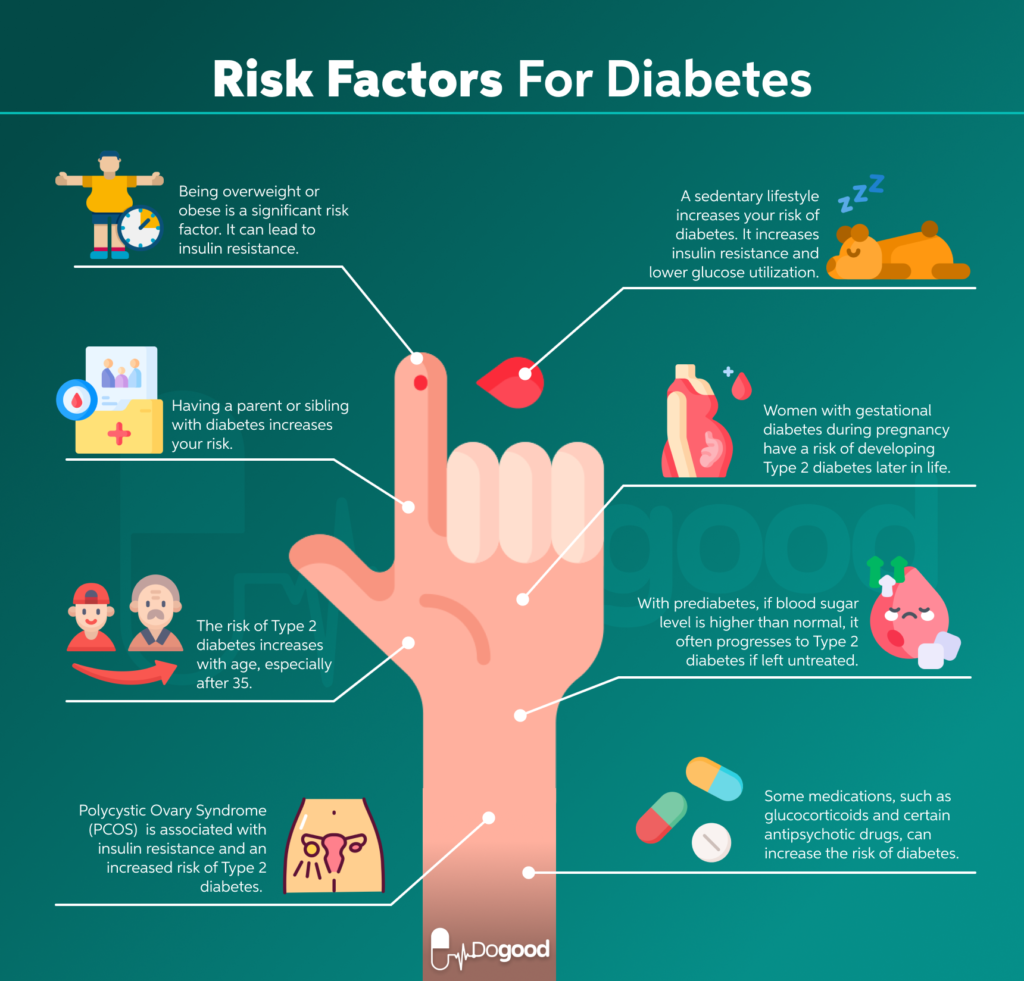
    Risk Factors For Diabetes

    diabetes risk factors

    Several risk factors increase your chances of developing diabetes, particularly Type 2 diabetes:

    1. Weight: Being overweight or obese is a significant risk factor. Extra weight, especially around the abdomen, can lead to insulin resistance.
    2. Physical Inactivity: A sedentary lifestyle increases your risk of diabetes. Regular physical activity helps lower insulin resistance and improves glucose utilization.
    3. Family History: Having a parent or sibling with diabetes increases your risk.
    4. Age: The risk of Type 2 diabetes increases with age, especially after 35.
    5. Prediabetes: This condition, characterized by higher-than-normal blood sugar levels, often progresses to Type 2 diabetes if left untreated.
    6. Gestational Diabetes: Women who had gestational diabetes during pregnancy have an increased risk of developing Type 2 diabetes later in life.
    7. Polycystic Ovary Syndrome (PCOS): This condition is associated with insulin resistance and an increased risk of Type 2 diabetes.
    8. Certain Medications: Some medications, such as glucocorticoids and certain antipsychotic drugs, can increase the risk of diabetes.

    Understanding these causes and risk factors is crucial for early detection and prevention of diabetes. By maintaining a healthy weight, staying physically active, and managing other risk factors, you can significantly reduce your risk of developing Type 2 diabetes.

    Find out your risk of developing diabetes with our free prediabetes test

    Diabetes Diagnosis and Treatment

    Diagnosing diabetes involves various blood glucose tests that help determine if your blood sugar levels are higher than the healthy range. These tests are crucial for early detection and management of diabetes. 

    Blood Glucose Tests

    Several blood glucose tests are used to diagnose diabetes:

    1. Fasting Blood Sugar Test: This test measures your blood glucose level after you’ve fasted for at least 8 hours. A fasting blood sugar level less than 100 mg/dL is considered normal. If your result is between 100 to 125 mg/dL, you have prediabetes. A level of 126 mg/dL or higher on two separate tests indicates diabetes.
    2. Random Blood Sugar Test: This test can be done at any time, regardless of when you last ate. A blood sugar level of 200 mg/dL or higher suggests diabetes.
    3. Oral Glucose Tolerance Test (OGTT): For this test, you fast overnight and then drink a sugary liquid. Your blood sugar levels are tested regularly for the next two hours. A reading of more than 200 mg/dL after two hours means you have diabetes. A result between 140 and 199 mg/dL indicates prediabetes.

    A1C Test

    The A1C test, also known as the glycated hemoglobin test, is a common blood test used to diagnose type 1 and type 2 diabetes. It measures your average blood sugar level over the past two to three months by determining the percentage of blood sugar attached to hemoglobin, the oxygen-carrying protein in red blood cells.

    An A1C level of 6.5% or higher on two separate tests indicates diabetes. A result between 5.7% and 6.4% suggests prediabetes. Below 5.7% is considered normal.

    The A1C test is particularly useful because:

    1. It doesn’t require fasting.
    2. It shows your average blood sugar level over time, rather than just at a single point.
    3. It’s used to monitor how well your diabetes treatment plan is working if you’ve already been diagnosed.

    Calculate your A1C for Free

    Your doctor may recommend getting an A1C test twice a year if you don’t use insulin and your blood sugar level is consistently within your target range. If you take insulin or have trouble keeping your blood sugar level within your target range, you might need the test four times a year.

    Gestational Diabetes Screening

    If you’re pregnant, your doctor will likely test you for gestational diabetes between 24 and 28 weeks of pregnancy. This is because insulin resistance can increase during pregnancy, leading to higher glucose intolerance and the development of gestational diabetes in some pregnant individuals.

    The most common screening method is a two-step approach:

    1. Glucose Challenge Test: You’ll drink a syrupy glucose solution. One hour later, you’ll have a blood test to measure your blood sugar level. A result of 140 mg/dL or higher indicates the need for further testing.
    2. Follow-up Glucose Tolerance Test: If the glucose challenge test shows high blood sugar levels, you’ll undergo a three-hour glucose tolerance test to confirm the diagnosis.

    It’s important to note that gestational diabetes usually goes away after pregnancy. However, it increases your risk of developing type 2 diabetes later in life, so your doctor will likely recommend regular diabetes screening after your baby is born.

    Remember, early diagnosis of diabetes is crucial for effective management and prevention of complications. If you experience symptoms of diabetes such as excessive thirst, frequent urination, or unexplained weight loss, don’t hesitate to consult your healthcare provider for appropriate testing.

    Got a question about Gestational Diabetes? Get Answers from Trusted Medical Professionals for Free.

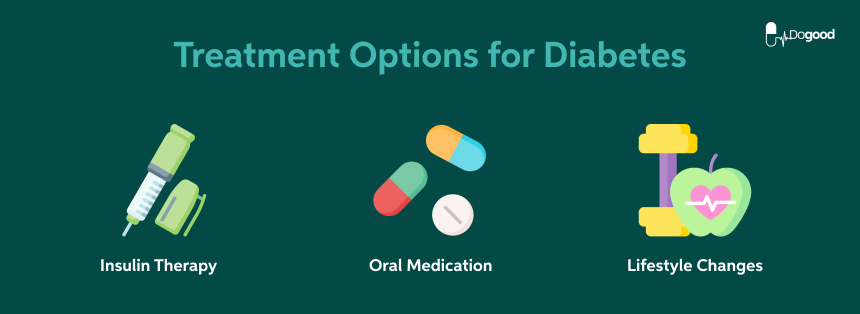
    Treatment Options for Diabetes

    Diabetes Treatment

    Managing diabetes involves a comprehensive approach that includes lifestyle changes, medications, and regular monitoring of blood glucose levels. The goal is to keep your blood sugar within a healthy range to prevent complications and improve your overall quality of life.

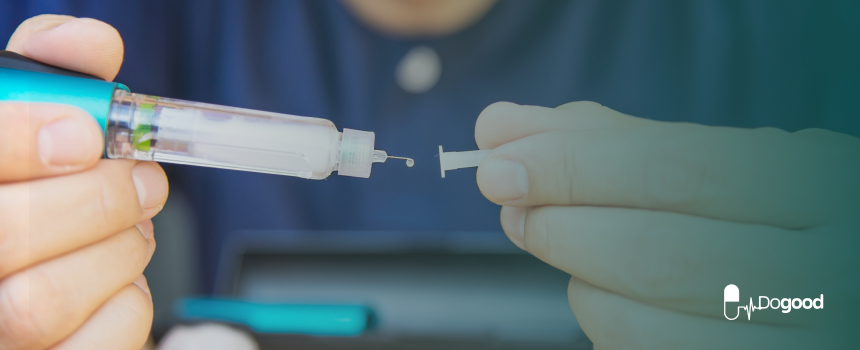
    Insulin Therapy

    For people with type 1 diabetes and some with type 2 diabetes, insulin therapy is a crucial part of treatment. Insulin helps your body use glucose for energy and regulates blood sugar levels. There are several types of insulin available, each with different onset times, peak effects, and durations:

    1. Rapid-acting insulin: Starts working within 15 minutes, peaks in 1 hour, and lasts for 2 to 4 hours.
    2. Short-acting insulin: Reaches the bloodstream in 30 minutes, peaks within 2 to 3 hours, and lasts 3 to 6 hours.
    3. Intermediate-acting insulin: Begins working in 2 to 4 hours, peaks in 4 to 12 hours, and lasts 12 to 18 hours.
    4. Long-acting insulin: Starts to work a few hours after injection and works for about 24 hours or longer.

    Your healthcare provider will work with you to determine the best insulin regimen based on your individual needs, lifestyle, and blood glucose patterns.

    Oral Medications

    For many people with type 2 diabetes, oral medications play a significant role in managing blood glucose levels. Some common classes of oral diabetes medications include:

    1. Metformin: Often considered the first-line treatment for type 2 diabetes, metformin helps lower blood glucose levels by decreasing the amount of glucose produced by the liver.
    2. Sulfonylureas: These medications stimulate the pancreas to release more insulin, helping to lower blood sugar levels.
    3. DPP-4 inhibitors: These drugs help improve A1C (a measure of average blood glucose levels over two to three months) without causing hypoglycemia (low blood sugar).
    4. SGLT2 inhibitors: These medications work in the kidney to increase glucose excretion in the urine, leading to lower blood sugar levels.
    5. Thiazolidinediones: These drugs help insulin work better in the muscle and fat tissues and reduce glucose production in the liver.

    Your healthcare provider may prescribe a combination of these medications to achieve optimal blood glucose control.

    Lifestyle Changes

    In addition to medication, making lifestyle changes is crucial for managing diabetes effectively. Some key lifestyle modifications include:

    1. Healthy eating: Follow a balanced diet that includes a variety of fruits, vegetables, whole grains, lean proteins, and healthy fats. Carbohydrate counting and the plate method are two common approaches to meal planning for people with diabetes.
    2. Regular physical activity: Aim for at least 150 minutes of moderate-intensity aerobic activity per week. Exercise helps your body use insulin more effectively and can lower blood sugar levels.
    3. Weight management: If you’re overweight, losing even a small amount of weight can have a significant impact on your blood sugar control. People who are overweight and lose as little as 7% of their body weight can decrease their risk of diabetes by more than 50%.
    4. Stress management: Find ways to manage stress through relaxation techniques, hobbies, or activities that help you unwind.
    5. Quitting smoking: If you smoke, quitting can help reduce your risk of diabetes-related complications.
    6. Limiting alcohol consumption: If you choose to drink, do so in moderation and be aware of how alcohol affects your blood sugar levels.

    Remember, the treatment plan for diabetes is highly individualized. Your healthcare provider will work with you to create a personalized approach that takes into account your specific needs, preferences, and health status. Regular check-ups and monitoring of your blood glucose levels are essential to ensure your treatment plan remains effective over time.

    Read about:

    Conclusion

    Understanding diabetes and its impact on your health is crucial to managing this chronic condition effectively. By recognizing the symptoms, understanding the causes and risk factors, and knowing the various treatment options available, you can take control of your health and lead a fulfilling life with diabetes. Regular check-ups, blood sugar monitoring, and lifestyle changes play a key role in keeping your blood glucose levels in check and preventing complications.

    Remember, you’re not alone in this journey. Healthcare professionals, support groups, and educational resources are available to help you navigate life with diabetes. To gain more insights and support, consider joining the lifewithdiabetes program. With the right knowledge, tools, and support system, you can thrive despite diabetes and enjoy a healthy, active lifestyle.

    FAQs

    What are the symptoms, causes, and treatments for diabetes?

    The primary cause of diabetes remains largely unknown, but it generally involves elevated blood sugar levels due to insufficient insulin production by the pancreas. Both Type 1 and Type 2 diabetes might stem from genetic and environmental factors.

    What is a significant symptom of diabetes?

    Many individuals with diabetes commonly experience increased thirst, frequent urination, fatigue, and weight loss. For a more detailed understanding of diabetes symptoms and their origins, consider watching educational videos on the topic.

    How are diabetes symptoms managed?

    While Type 2 diabetes cannot be cured, its symptoms can be managed through weight loss, a healthy diet, and regular exercise. If these measures are insufficient, diabetes medications or insulin therapy may be necessary.

    What causes diabetes and what are the treatment options available?

    Diabetes treatment typically involves insulin or other medications. Healthy lifestyle choices such as a balanced diet, regular physical activity, adequate sleep, and stress management are crucial. There are also other treatment options available to help manage this condition.

  • Signs You May Have Diabetes: Know the Early Symptoms

    Signs You May Have Diabetes: Know the Early Symptoms

    Type 2 diabetes is a chronic condition that affects how your body processes sugar (glucose). It can develop gradually, often going unnoticed until serious health issues arise. Recognizing the early signs of diabetes is crucial for timely intervention and management. Below are the key symptoms to watch for and steps to take if you suspect you have diabetes.


    1. Frequent Urination (Polyuria)

    One of the most common signs you may have diabetes is increased urination. This occurs when high blood sugar levels force the kidneys to filter excess glucose into the urine. The more sugar in your urine, the more water your kidneys need to excrete it, leading to increased urination.

    • Symptoms: People with type 2 diabetes may find themselves urinating up to 10 times a day and waking multiple times at night.
    • Action: If you notice a sudden increase in urination frequency, especially at night, consult a healthcare provider for screening.
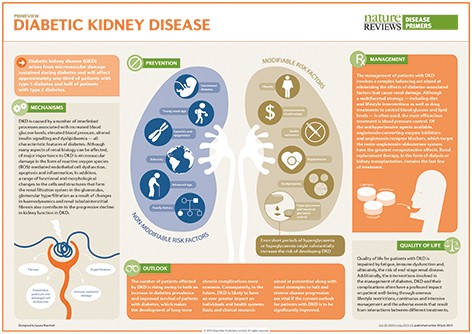
    an infographic illustrating how diabetes affects kidney function and leads to increased urination.

    2. Increased Thirst (Polydipsia)

    As your body loses water through frequent urination, it triggers a response that makes you feel extremely thirsty. This condition, known as polydipsia, is a common symptom of type 2 diabetes.

    • Mechanism: The loss of fluids leads to dehydration, prompting your brain to signal thirst to help replenish lost fluids. If you find yourself drinking excessive amounts of water, particularly at night, it could indicate an underlying issue.

    3. Unexplained Weight Loss

    While many strive to lose weight, unintentional weight loss can be alarming, especially when it occurs without changes to diet or exercise. In diabetes, the body struggles to use glucose effectively due to insulin resistance.

    • How it Happens: With high blood sugar levels, the body begins to break down fat stores for energy, leading to significant weight loss.
    • Health Risks: This cycle can exacerbate symptoms of diabetes and lead to complications like diabetic ketoacidosis, a potentially life-threatening condition characterized by high levels of ketones in the blood.

    4. Recurrent Infections

    Individuals with type 2 diabetes are often more susceptible to infections, including:

    • Skin infections
    • Urinary tract infections (UTIs)
    • Yeast infections

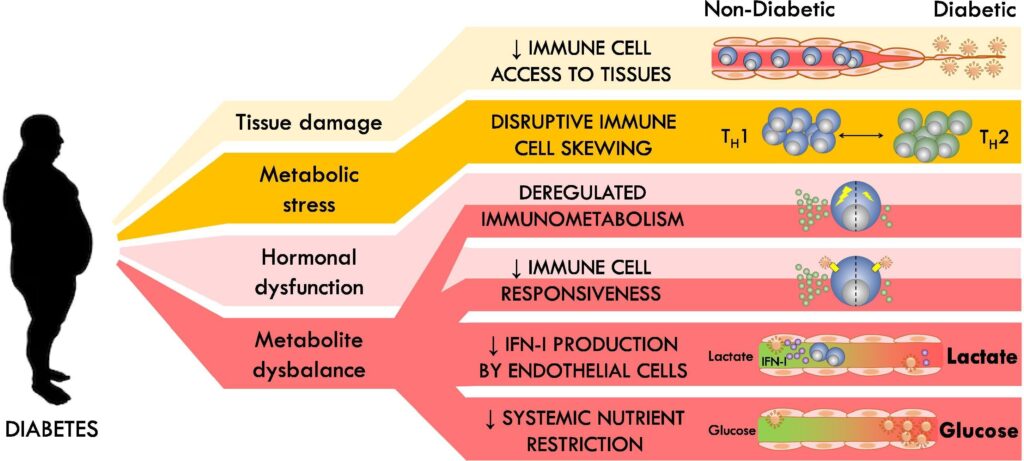
    The high sugar levels in the blood can impair the immune system, making it harder for the body to fight off infections.

    • Signs to Look For: If you experience multiple infections this year, such as recurrent UTIs or persistent skin issues, consider consulting a doctor for a diabetes screening.
    a visual representation of common infections associated with diabetes.

    For more on diabetes-related infections, check out this article from Cleveland Clinic.


    5. Erectile Dysfunction (Bonus Symptom for Men)

    Men may experience erectile dysfunction (ED) or premature ejaculation as a result of undiagnosed or poorly managed diabetes. The condition affects blood flow and nerve function, which are crucial for sexual performance.

    • How It Relates to Diabetes: High blood sugar can damage blood vessels and nerves that control erection. ED can often be an early sign of underlying diabetes.
    • Seeking Help: If you notice changes in your sexual health, it may be time to discuss these symptoms with a healthcare provider.
    A man is sad because of Erectile Dysfunction

    6. Other Possible Symptoms of Diabetes

    While the symptoms mentioned above are among the most common, type 2 diabetes can present additional signs, including:

    • Blurred vision: High blood sugar levels can lead to swelling in the lenses of the eyes, causing blurry vision.
    • Fatigue: Insufficient glucose in the cells can result in persistent tiredness and fatigue.
    • Dark patches on the skin: Known as acanthosis nigricans, these patches may appear in areas like the neck or armpits.

    Image Direction: Use a visual that highlights a range of symptoms associated with diabetes.

    For a comprehensive list of diabetes symptoms, refer to the American Diabetes Association.


    What to Do If You Notice These Symptoms

    If you experience any combination of these signs you may have diabetes, it is vital to take action:

    1. Consult a Healthcare Provider: Schedule a diabetes screening, which typically involves a blood test to measure your blood sugar levels.
    2. Monitor Your Health: Keep track of any changes in your body, such as weight fluctuations, urination frequency, or increased thirst.
    3. Educate Yourself: Understanding the condition can empower you to take control of your health. Utilize resources like the DrDoGood App to manage your health metrics effectively.

    For further steps after diagnosis, visit DrDoGood’s Diabetes Program.


    How Diabetes is Diagnosed

    If you suspect you have diabetes, your healthcare provider may use one or more of the following tests to diagnose the condition:

    • Fasting Plasma Glucose Test: Measures blood sugar levels after fasting for at least 8 hours. A level of 126 mg/dL or higher indicates diabetes.
    • Oral Glucose Tolerance Test: Blood sugar is measured before and after consuming a sugary drink. A reading of 200 mg/dL or higher two hours later suggests diabetes.
    • A1C Test: This test shows average blood sugar levels over the past two to three months. An A1C level of 6.5% or higher is a sign of diabetes.

    For more details on diabetes testing, refer to the National Institute of Diabetes and Digestive and Kidney Diseases(NIDDK).


    Conclusion: Awareness and Action Are Key

    Recognizing the signs you may have diabetes is essential for early diagnosis and management. If you notice any of these symptoms, don’t hesitate to seek medical advice and TAKE THE TEST. Early intervention can lead to effective management and prevent long-term complications.

    Take control of your health today. Use tools like the DrDoGood App to monitor your health and make informed choices about your lifestyle.

  • The Cost of Dialysis in Ghana: Why Kidney Health Awareness Matters

    The Cost of Dialysis in Ghana: Why Kidney Health Awareness Matters

    What is Dialysis and How Does it Work?

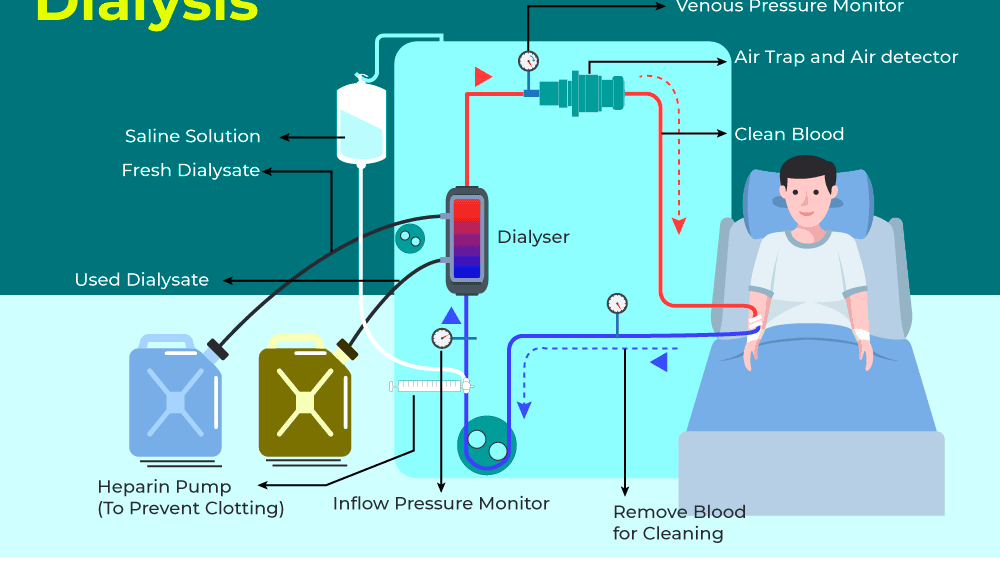
    Dialysis is a medical treatment that replaces the function of damaged kidneys by filtering waste, salt, and excess water from the blood. It is essential for patients with chronic kidney disease (CKD) or end-stage renal failure when their kidneys can no longer function independently. There are two main types of dialysis:

    • Hemodialysis: Blood is filtered through a machine outside the body.
    • Peritoneal dialysis: The blood is filtered through the lining of the abdomen inside the body using a dialysis solution.

    Each dialysis session typically lasts 3-4 hours, and most patients require at least three sessions per week to stay healthy – CITI NEWSROOM. Without it, toxins build up in the blood, leading to life-threatening complications.

    A diagram showing how dialysis works, including both hemodialysis and peritoneal dialysis setups.

    How Much Does Dialysis Cost in Ghana?

    The cost of dialysis in Ghana varies depending on whether it’s done at a private or public facility. On average:

    • Private dialysis centers: GHS 1,000 – 2,000 per session
    • Public facilities (e.g., Korle-Bu Teaching Hospital): GHS 765 per session, up from GHS 380.

    Patients requiring three sessions per week will spend GHS 3,000 weekly or GHS 12,000 monthly. Over the course of a year, this adds up to a staggering GHS 144,000. This financial burden often forces patients to skip treatments or rely on the generosity of family and friends, as most health insurance plans in Ghana do not cover dialysis.


    Factors Driving the High Cost of Dialysis

    The rising cost of dialysis in Ghana is driven by several factors, including:

    1. Imported dialysis consumables: All dialysis supplies (e.g., dialyzers, tubing sets) are imported, with high shipping and import duties.
    2. Energy-intensive procedures: Dialysis centers consume large amounts of electricity and water, raising operational costs.
    3. Specialized staffing: Nephrologists, dialysis nurses, and technicians are required to manage treatments, adding labor costs.
    4. Limited government subsidies: While some public facilities offer reduced rates, many patients still rely on out-of-pocket payments.

    The Impact of High Dialysis Costs on Ghanaians

    The high cost of dialysis creates serious challenges for patients and their families. Without financial assistance or subsidies, many people with chronic kidney disease are unable to afford regular dialysis. This can result in life-threatening complications such as heart failure, fluid overload, or even death.

    Even in major urban centers like Accra and Kumasi, where most dialysis services are located, the financial burden remains high. Patients from rural areas often travel long distances to access care, adding transportation costs to their already stretched budgets.


    How to Avoid Dialysis: Practical Kidney Health Tips

    Given the financial challenges of dialysis, the best approach is preventive care. Here are four essential tips for maintaining kidney health:

    1. Stay Hydrated with the DrDoGood Water Challenge

    Drinking water regularly is one of the simplest ways to keep your kidneys healthy. Aim to drink 3 liters per day—1 liter in the morning, 1 in the afternoon, and 1 in the evening. Staying hydrated prevents kidney stones and supports kidney function.

    For added motivation, join the DrDoGood Water Challenge via the DrDoGood app. This fun and engaging challenge helps participants track their water intake and reduce the risk of developing kidney stones.


    2. Use Medication Responsibly

    Overuse of certain medications, including painkillers, can harm your kidneys. Avoid purchasing medications from unregulated sources, such as roadside vendors. Always consult a healthcare professional before taking any new drugs and only use medications when necessaryAstena.


    3. Reduce Salt and Processed Foods

    High salt intake can strain the kidneys and raise blood pressure, increasing the risk of kidney disease. Processed foods and artificial spices are major culprits. Gradually reducing salt in your diet will improve kidney health and lower your risk of chronic conditions like hypertension.


    4. Monitor Your Health Regularly

    Frequent health checks are essential to catch early signs of kidney disease. Use tools like BMI and A1C calculators to track your weight and blood sugar levels, both of which are critical indicators of kidney health. Early intervention can help prevent kidney complications.

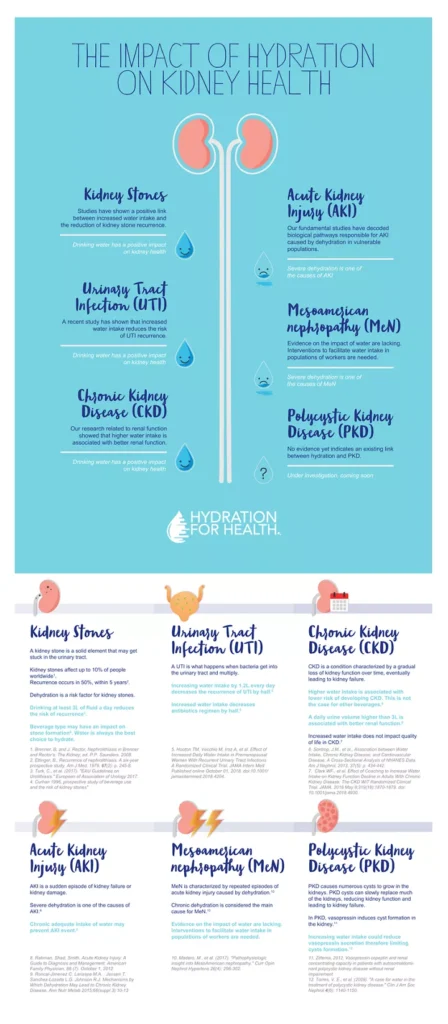
    An infographic showing the relationship between hydration, kidney function, and kidney stone prevention, with a link to the DrDoGood Water Challenge.

    Kidney Stones: A Silent Threat

    Kidney stones are a common issue in Ghana, often caused by dehydration, high salt intake, and certain dietary habits. While kidney stones are not the same as kidney failure, untreated stones can damage the kidneys and lead to infections or long-term problems.

    The DrDoGood Water Challenge is highly recommended for individuals at risk of developing kidney stones. By tracking daily water intake through the DrDoGood app, participants can ensure they stay hydrated and reduce their chances of developing stones.


    The Role of Advocacy in Kidney Health Awareness

    Raising awareness about kidney health is crucial, especially given the rising cost of dialysis. Advocacy efforts are needed to push for:

    • Better insurance coverage: Ensuring dialysis is covered under the National Health Insurance Scheme (NHIS).
    • Government subsidies: Expanding subsidies for low-income patients to make dialysis more affordable.
    • Increased public education: Promoting healthy lifestyle habits to prevent kidney disease.

    What Can Be Done to Reduce Dialysis Costs in Ghana?

    There are a few strategies that could help bring down the cost of dialysis:

    1. Local production of dialysis consumables: Manufacturing some consumables locally would reduce import costs.
    2. Government interventions: Subsidies and partnerships with private providers can make dialysis more affordable.
    3. Expansion of peritoneal dialysis: Encouraging the use of peritoneal dialysis could provide a more cost-effective treatment option, especially in rural areas –Biomed central.
    4. Charitable support and crowdfunding: Some organizations and individuals use crowdfunding platforms to help cover the cost of dialysis for needy patients –Ghanweb.

    Conclusion: Taking Control of Your Kidney Health

    The cost of dialysis in Ghana is a major financial burden for many families, but with the right preventive measures, kidney disease can be avoided or managed effectively. By staying hydrated, eating a balanced diet, and using medications responsibly, you can protect your kidneys and avoid the need for dialysis.

    For those already diagnosed with kidney disease, consulting with a specialist is essential. Book a consultation through the DrDoGood app to get personalized advice and access the resources you need to manage your health.


    Resources and Further Reading

  • How Diabetes Affects Women’s Health: four Key Impacts to Watch For

    How Diabetes Affects Women’s Health: four Key Impacts to Watch For

    Diabetes, especially type 2 diabetes, affects millions of women worldwide, altering many aspects of their health, from reproductive concerns to infection risks. Understanding the signs and symptoms of diabetes early can make a world of difference in managing the condition effectively. In this comprehensive guide, we’ll explore how diabetes affects women’s health and what you can do to stay healthy.

    Table of Contents:

    • Impact 1: Increased Risk of Infections
    • Impact 2: Diabetes and Fertility Struggles
    • Impact 3: Pregnancy Complications
    • Impact 4: Other Health Complications
    • Conclusion: Managing Diabetes for a Healthier Future
    • Resources and Tools

    While the symptoms of diabetes can affect anyone, women face some unique health challenges, especially concerning reproductive health, infections, and pregnancy outcomes. Let’s delve into the four major ways diabetes affects women’s health.


    Impact 1: Increased Risk of Infections in Diabetic Women

    Urinary Tract Infections (UTIs) and Vaginal Infections

    Women with diabetes mellitus are more prone to developing urinary tract infections (UTIs) and vaginal infections, particularly yeast infections. This is largely due to the body’s compromised immune response. In fact, research shows that diabetic women have a higher prevalence of recurrent UTIs compared to non-diabetic women.

    Why do these infections happen?
    High blood sugar levels provide an ideal environment for bacteria and yeast to grow. Diabetic women are also more susceptible to vaginal candidiasis due to increased glucose in the vaginal tissues.

    A diagram showing the anatomy of the female reproductive system and how bacteria travel to the bladder.
    • Prevention Tip: Regular blood sugar monitoring and good hygiene practices can reduce the risk of infection.

    Impact 2: Diabetes and Fertility Struggles

    Hormonal Imbalances and Menstrual Irregularities

    Diabetes affects women’s health, especially when poorly controlled, causing hormonal imbalances that can interfere with the menstrual cycle. This often leads to irregular periods, mood swings, and decreased libido. Women with Polycystic Ovary Syndrome (PCOS) are particularly at risk since insulin resistance plays a major role in both PCOS and type 2 diabetes.

    How does this impact fertility?
    Insulin resistance can lead to higher androgen (male hormone) levels in women, which affects ovulation. Women with both diabetes and PCOS may struggle to conceive due to irregular ovulation or anovulation (lack of ovulation).

    Infographic illustrating the link between insulin resistance, PCOS, and ovulation issues.
    • Prevention Tip: Maintaining a healthy weight and regular check-ups with your healthcare provider can help. You can also use a BMI calculator to track progress and consult a fertility expert.

    For further assistance, diabetic women struggling with fertility can book a consultation with a reproductive specialist. Early intervention is key.


    Impact 3: Pregnancy Complications for Diabetic Women

    Risks of Birth Defects, Miscarriages, and Macrosomia

    If you’re diabetic and pregnant, managing blood sugar levels is critical from the moment of conception. High blood sugar during pregnancy, especially early on, increases the risk of birth defects. Gestational diabetes, which develops during pregnancy, also poses significant risks to both the mother and baby.

    Women who are not managing their diabetes well during pregnancy are at risk for:

    • Birth defects due to high blood sugar early in pregnancy
    • Miscarriage or stillbirth later in pregnancy
    • Macrosomia (an overly large baby), which complicates vaginal delivery and often necessitates a caesarean section.

    How does gestational diabetes differ from type 2 diabetes?
    While gestational diabetes is temporary, it can increase your risk of developing type 2 diabetes later in life. It can also result in your baby being born with low blood sugar or excessive birth weight, which can lead to delivery complications.

    This shows the risks of different pregnancy outcomes for diabetic women versus non-diabetic women.
    • Prevention Tip: If you’re pregnant, consult your doctor to perform a glucose tolerance test early on. You can also use an A1C calculator to monitor your blood sugar throughout your pregnancy.

    For personalized advice, speak with a maternal health specialist about managing gestational diabetes and keeping both you and your baby safe.


    Impact 4: Other Diabetes-Related Complications in Women

    Heart Disease, Stroke, and Amputation Risks

    Diabetes affects women’s health, increasing their risk for severe health issues like heart disease, strokes, and even amputations. In fact, diabetic women are 50% more likely to suffer from cardiovascular disease compared to non-diabetic women. Poorly managed diabetes can also lead to complications like:

    • Diabetic retinopathy, which causes vision loss or blindness.
    • Peripheral artery disease leads to poor circulation and possible limb amputation.
    • Neuropathy, which affects nerve function, particularly in the legs and feet.

    These complications arise from prolonged high blood sugar levels, damaging blood vessels and nerves over time.

    A visual comparison between healthy arteries and those affected by peripheral artery disease.
    • Prevention Tip: Keep blood sugar levels in check through a combination of medication, diet, and physical activity. Communities like the life with diabetes program can help you stay on track.

    If you’re already diabetic and concerned about long-term complications, book an appointment with a specialist to discuss preventive measures.


    Conclusion: Managing Diabetes for a Healthier Future

    Whether you’ve already been diagnosed with diabetes mellitus or you’re simply at risk, it’s important to take proactive steps in managing your health. Here are some key takeaways:

    • Routine Health Checks: Early detection is crucial. Regular blood sugar monitoring and A1C tests can help catch the warning signs before complications arise. Use our calculators to keep track of your health metrics.
    • Maintain a Healthy Weight: Both for prevention and management of diabetes, staying active and eating a balanced diet are essential. Calculate your BMI here.
    • Consult a Doctor Regularly: If you’re a woman with diabetes, staying in touch with specialists for both diabetes management and reproductive health is key. You can speak to a diabetes expert here for more tailored advice.

    By taking these steps, you can reduce the risk of complications and live a healthier, more fulfilling life even with diabetes.


    Resources and Tools for Managing Diabetes

  • How to Prevent Diabetes: Top Strategies to Lower Your Risk

    How to Prevent Diabetes: Top Strategies to Lower Your Risk

    Diabetes is a serious health concern affecting millions worldwide, and we’ve seen its impact on countless lives. Learning how to prevent diabetes is crucial for maintaining our well-being and reducing the risk of developing this chronic condition. 

    In this article, we’ll explore effective strategies to lower our chances of getting diabetes and improve our overall health. We’ll dive into key areas that have an influence on diabetes prevention, including maintaining a healthy weight and adopting a balanced diet.

    We’ll also discuss how much exercise we need to prevent diabetes and the importance of regular health check-ups. By understanding these diabetes risk factors and implementing practical steps to manage them, we can take control of our health and reduce our chances of developing diabetes.

    How to Achieve and Maintain a Healthy Weight

    healthy weight to prevent diabetes

    Maintaining a healthy weight is crucial in our efforts to prevent diabetes. Excess weight, especially around the waist, increases our risk of developing type 2 diabetes. By focusing on achieving and maintaining a healthy weight, you can significantly lower your chances of getting this condition.

    Around 60% of people with type 1 diabetes and 85% of people with type 2 diabetes are over-weights or living with obesity.” (www.diabetes.org.uk)

    Calculate Your BMI

    To start our journey towards a healthy weight, we need to understand where we currently stand. Calculating our Body Mass Index (BMI) is a simple way to get an idea of whether we’re at a healthy weight. BMI uses our height and weight to work out if we’re in a healthy range. You can easily calculate your BMI using online tools or apps.

    Here’s a quick guide to interpreting BMI results:

    • Underweight: less than 18.5 
    • Normal: 18.5–24.9 
    • Overweight: 25–29.9 • Obesity: 30 or greater
    calculate bmi

    Set Realistic Weight Loss Goals

    Once you know your current BMI and waist size, you can set realistic weight loss goals. Research shows that losing even 5% to 10% of our body weight can have significant health benefits. For example, if you weigh 200 pounds, losing 10 to 20 pounds could make a big difference.

    To set a specific goal, you can follow these steps:

    • Weight yourselves to get the current weight.
    • Multiply your weight by the percentage you want to lose (e.g., 5% or 0.05).
    • Subtract the result from your current weight to get the weight loss goal.

    A good short-term goal is to lose 1 to 2 pounds per week. This gradual approach is more sustainable and helps us form healthy habits that last.

    Track Your Progress

    Keeping track of your progress is key to reaching your weight loss goals. Research shows that people who monitor their weight and activity are more likely to succeed than those who don’t. Here are some effective ways to track our progress:

    • Weigh yourself at least once a week. 
    • Keep a food diary to record what you eat and drink. 
    • Log your daily physical activity. 
    • Measure your waist circumference regularly.

    By putting a plan in place and noting down the progress, you’ll be able to see the positive changes you’re making. This can help keep you motivated and focused on your goal of preventing diabetes through maintaining a healthy weight.

    Remember, weight loss journeys can have ups and downs. If you experience setbacks, it’s important not to get discouraged.

    How to Adopt a Balanced and Nutritious Diet

    adopt a balanced diet

    Adopting a balanced diet is crucial to help prevent diabetes and manage our overall health. By making smart food choices, we can lower our risk of developing type 2 diabetes and improve our well-being. Let’s explore some key strategies to create a diabetes-friendly eating plan.

    Choose Low Glycemic Index Foods

    The glycemic index (GI) is a helpful tool in your efforts to prevent diabetes. It tells you how quickly different foods raise your blood sugar levels. By choosing low-GI foods, you can better manage your blood glucose and reduce your risk of diabetes. Foods with a low GI (55 or below) include most fruits and vegetables, unsweetened milk, nuts, pulses, and some whole-grain cereals and bread.

    To make the most of the GI concept, you can:

    • Swap white rice for basmati or easy-cook rice
    • Choose whole-grain pasta or noodles instead of white varieties
    • Opt for new potatoes or sweet potatoes rather than old potatoes
    • Select granary, pumpernickel, or rye bread over white and wholemeal bread

    Remember, it’s not just about GI ratings. You need to think about the bigger picture and choose foods high in fiber and whole grains, as well as low in saturated fat, salt, and sugar, as part of a long-term healthy diet.

    Increase Fiber Intake

    Fiber is your friend when it comes to preventing diabetes. It helps with blood sugar control, weight management, and lowers your risk of heart disease. To boost your fiber intake, you can:

    • Eat a variety of fruits and vegetables, especially berries, apples, and green leafy veggies
    • Choose whole grains like brown rice, quinoa, and oats
    • Include beans and lentils in your meals
    • Snack on unsalted nuts and seeds

    Aim for 22 to 34 grams of fiber each day, depending on your age and sex. By spreading your fiber intake throughout your meals, you can reap the benefits all day long.

    Limit Processed Foods

    To reduce your risk of diabetes, it’s important to cut down on ultra-processed foods (UPFs). Research shows that every 10% increase in UPF consumption is linked with a 17% increase in type 2 diabetes risk. To limit your intake of processed foods, you can:

    • Cook more meals from scratch using whole ingredients
    • Replace sugary snacks with whole fruits or nuts
    • Opt for plain yogurt and add your own fruit for sweetness
    • Be cautious of ‘low fat’ or ‘sugar-free’ labels, as these products are often ultra-processed

    By making these changes, you’re not only reducing your diabetes risk but also improving your overall health. Remember, small steps can lead to big improvements in your diet and well-being.
    Make Physical Activity a Daily Habit for Diabetes Prevention

    diabetes prevention exercise

    Regular physical activity is a powerful tool to help prevent diabetes and manage your overall health. By making exercise a part of your daily routine, you can significantly lower your risk of developing type 2 diabetes and improve your well-being.

    Aim for 150 Minutes per Week

    To reap the full benefits of exercise in preventing diabetes, you should aim for at least 150 minutes of moderate-intensity physical activity every week. This might sound like a lot, but you don’t have to do it all at once. You can break it down into smaller, more manageable chunks throughout the week.

    One way to reach this goal is to be active for 30 minutes on most days. If that seems daunting, you can start small and build up gradually. For example, you could begin with a 10-minute walk after dinner and slowly increase the duration over time. The key is to be consistent and make it a regular part of your routine.

    Try Different Types of Exercise

    Incorporating a variety of activities into your exercise routine can help you stay motivated and work different muscle groups. Here are some options you can consider:

    • Walking: A low-impact activity that’s easy to start with and can be done almost anywhere.
    • Cycling: Great for improving heart and lung health, as well as balance and posture.
    • Swimming: Easy on your joints and can help lower blood sugar levels.
    • Dancing: A fun way to get your heart rate up and improve fitness.
    • Strength training: Can increase insulin sensitivity and glucose tolerance.

    Remember, any type of exercise is beneficial. Studies have shown that people with type 2 diabetes who engage in regular physical activity can see a decrease in their HbA1c levels, regardless of the type of exercise they choose.

    Make Activity Part of Your Daily Routine

    To make exercise a habit, it’s helpful to schedule it into your daily routine. Here are some tips to help you stay on track:

    • Walk every day during lunch or with your family after dinner.
    • Take the stairs instead of the elevator whenever possible.
    • Park farther away from your destination to get in some extra steps.
    • Do some light exercises while watching TV.

    The more regular you are with your physical activity, the quicker it will become a habit. It’s important to note that even small amounts of exercise are beneficial, so don’t get discouraged if you can’t fit in a full workout every day.

    By incorporating regular physical activity into your life, you’re taking a significant step towards preventing diabetes and improving your overall health. Remember, it’s not just about the numbers on the scale – exercise has numerous benefits for your body and mind, even if you don’t see immediate weight loss.

    Stay Vigilant: Regular Health Monitoring is Key

    monitor diabetes

    Keeping a close eye on your health is crucial when it comes to preventing diabetes. Regular check-ups and understanding your risk factors can make a big difference in managing your overall well-being and reducing the chances of developing this condition.

    Get Regular Check-ups

    You can’t stress enough how important it is to have routine health check-ups. These visits give you a chance to ask your healthcare provider questions, learn more about diabetes, and make sure you’re on the right track with your health goals. It’s recommended that you see your diabetes provider every 3 to 6 months. During these visits, your provider should check your blood pressure, weight, and feet.

    Regular screenings help detect warning signs and high blood sugar levels early on, allowing for timely intervention and lifestyle changes. Blood tests, including fasting blood glucose and an HbA1c test, play a significant role in monitoring your blood sugar levels. These tests help healthcare practitioners manage your health through diet, exercise, lifestyle changes, and, if necessary, medications.

    Know Your Risk Factors

    Understanding your risk factors for diabetes is key to prevention. Some risk factors you can’t change, like your family history, age, or ethnic background. For example, if your parents or siblings have diabetes, your risk increases. Also, the older you get, the higher your risk for prediabetes and type 2 diabetes.

    Other risk factors you can control through lifestyle choices are called modifiable risk factors. These include:

    • Weight: Being overweight or obese increases your risk of developing diabetes. Losing 5% to 10% of your body weight can significantly reduce this risk.
    • Physical activity: Regular exercise helps lower insulin resistance, meaning your body can use its own insulin more effectively.
    • Blood pressure: Untreated high blood pressure has been linked to complications from diabetes.
    • Smoking: If you smoke, quitting can help lower your risk of diabetes.

    Consider Preventive Medications

    In some cases, your healthcare provider might suggest preventive medications to help lower your risk of developing diabetes. These pharmacological interventions can be especially helpful for those with prediabetes or other risk factors like obesity or hypertension.

    For women who are pregnant, monitoring for gestational diabetes is crucial in ensuring both your and your baby’s health.

    Metformin, for example, has been found useful in preventing the development of diabetes in many large, well-powered trials. It lowers fasting blood glucose in individuals at risk for type 2 diabetes without causing hypoglycemia. Other medications like acarbose and pioglitazone have also shown promise in delaying the progression from prediabetes to type 2 diabetes.

    Remember, the key to preventing diabetes is a combination of regular health monitoring, understanding your risk factors, and taking proactive steps to maintain your health. By staying informed and working closely with your healthcare providers, you can significantly reduce your risk of developing this chronic condition.

    Final Thoughts: Take Action Today to Prevent Diabetes

    Preventing diabetes is within your reach through a combination of healthy lifestyle choices and regular health monitoring.

    By maintaining a healthy weight, adopting a balanced diet, and incorporating regular physical activity into your daily routines, you can significantly lower your risk of developing this chronic condition. These strategies have a positive influence on your overall well-being, helping you lead a healthier, more fulfilling life.

    Regular check-ups and understanding your risk factors are crucial to staying on top of your health. By working closely with healthcare professionals, you can detect warning signs early and take appropriate action to manage your health effectively.

    find diabetes doctor

    To take the next step in your diabetes prevention journey, consider finding and booking an appointment with a doctor on the DrDoGood platform. Remember, small changes in your daily habits can lead to big improvements in your long-term health, reducing your chances of diabetes and its complications.

    Frequently Asked Questions

    What are five effective strategies to prevent diabetes?

    To prevent diabetes, consider these five effective tips:

    • Lose excess weight to significantly reduce diabetes risk.
    • Increase physical activity, which offers numerous health benefits.
    • Opt for healthy plant-based foods.
    • Include healthy fats in your diet.
    • Avoid fad diets and choose healthier eating options consistently.

    How can I reduce my chances of developing diabetes?

    You can lower your risk of diabetes by adopting several lifestyle changes such as:

    • Maintaining a healthy weight.
    • Engaging in regular physical activity.
    • Eating a balanced and healthy diet.
    • Quitting smoking if you currently smoke.

    What are the top recommendations for preventing diabetes effectively?

    Managing diabetes effectively can be achieved with these key strategies:

    • Opt for healthier carbohydrate choices as all carbs impact blood glucose levels.
    • Reduce salt intake.
    • Limit consumption of red and processed meats.
    • Increase your intake of fruits and vegetables.
    • Choose healthier fats in your diet.
    • Reduce your intake of free sugars.
    • Snack smartly.
    • Consume alcohol in moderation.

    Which three types of beverages should individuals with diabetes avoid?

    People with diabetes should avoid the following beverages to manage their condition better:

    • Soda and fruit punch, as they contain high levels of added sugars.
    • Sports and energy drinks, which can cause blood sugar spikes.
    • Sweetened teas, which offer empty calories and contribute to weight gain.