
Peptic Ulcer (PUD) is a common digestive condition that causes painful sores in the lining of the stomach or the upper part of the small intestine (duodenum).
These ulcers may trigger burning stomach pain, bloating, nausea, indigestion, and in severe cases, internal bleeding.
The good news is that peptic ulcers are treatable. With the right medical therapy, lifestyle changes, and preventive care, you can reduce symptoms, heal faster, and prevent complications. You can also ask a doctor online or get a medical test instantly through telemedicine options, such as DrDoGood health app in Ghana.
Understanding Peptic Ulcer Disease
Your stomach produces acid to digest food, but this acid is strong enough to damage the stomach lining. Normally, a protective mucus shield prevents this damage. Peptic ulcers form when something weakens this protective layer, allowing acid to burn the stomach or intestinal lining.
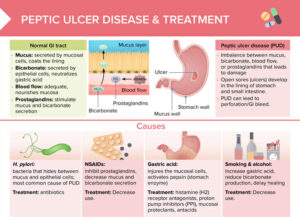
Major Causes of Peptic Ulcers:
- Frequent NSAID Use: Pain relievers such as ibuprofen, aspirin, and naproxen can reduce protective mucus, increasing ulcer risk.
- H. pylori Infection: A bacteria that survives in stomach acid, damaging the lining and causing inflammation and ulcers.
Other irritants like stress, alcohol, smoking, and spicy foods can worsen symptoms, but they do not directly cause ulcers.
Types of Peptic Ulcers
| Type | Description | Common Symptoms |
|---|---|---|
| Gastric ulcer | Located in the stomach | Pain worsens after eating |
| Duodenal ulcer | Located in the upper small intestine | Pain improves after eating but worsens at night |
| Esophageal ulcer | Located in the esophagus | Heartburn, chest pain, painful swallowing |
| Stress ulcer | Result of severe illness, trauma, or surgery | Common in hospitalized patients |
| Refractory ulcer | Does not heal despite treatment | Often caused by untreated H. pylori or NSAID use |
How to Treat Peptic Ulcer Disease
The primary goals are to heal the ulcer, relieve symptoms, and prevent complications.
1. Medical Treatments for Peptic Ulcers
a) Treating H. pylori Infection
Doctors commonly prescribe triple therapy:
-
PPI (e.g., Omeprazole, Pantoprazole)
-
Two antibiotics (e.g., Clarithromycin + Amoxicillin/Metronidazole)
-
Duration: 10–14 days
Resistant cases may require quadruple therapy.
A follow-up test is needed to ensure the bacteria is gone. Get a medical test done quickly and reliably at our trusted partner lab, Synlab Ghana in Accra. You can also speak to a licensed doctor in Ghana or ask a doctor online on DrDoGood.
b) Medications to Reduce Stomach Acid
| Medication Type | Examples | Purpose |
|---|---|---|
| PPIs | Omeprazole, Esomeprazole, Pantoprazole | Most effective for healing |
| H2 Blockers | Famotidine, Ranitidine | Reduce acid production |
| Antacids | Tums, Maalox | Quick relief, not curative |
| Protective agents | Sucralfate, Bismuth | Coat the stomach lining |
c) Reduce or Stop NSAIDs
If NSAIDs caused your ulcer, your doctor may recommend alternative pain relievers and stomach-protective medication.
2. Lifestyle & Diet Changes
Foods That Support Healing:
- High-fiber foods: oats, apples, carrots
- Probiotics: yogurt, kefir, fermented foods
- Lean proteins: chicken, fish
- Healthy fats: avocado, olive oil
Foods/Drinks to Avoid:
- Spicy and acidic foods
- Fatty and fried foods
- Caffeinated and carbonated beverages
- Alcohol
Additional Healing Habits:
-
Manage stress through relaxation & exercise
-
Quit smoking and limit alcohol
-
Get 7–9 hours of sleep
3. Helpful Home Remedies (Use Alongside Medical Treatment)
| Remedy | Benefit |
|---|---|
| Honey | Antibacterial, may help fight H. pylori |
| Aloe vera juice | Reduces inflammation and acidity |
| Probiotics | Improve gut balance and healing |
| Cabbage juice | May strengthen stomach lining |
| Turmeric (curcumin) | Anti-inflammatory and antibacterial |
| Ginger | Aids digestion and reduces nausea |
Note: Natural remedies should not replace medical treatment. Always consult a doctor before use.
When to See a Doctor Immediately
Seek help if you experience:
- Vomiting blood or coffee-ground vomit
- Black, tarry stools
- Severe persistent stomach pain
- Unexplained weight loss
You can quickly find a doctor in Ghana or or start a virtual health consultation for faster care.
Peptic ulcers are painful but highly treatable. Most ulcers heal within 4–8 weeks with medication, diet, and lifestyle modifications.
To protect your stomach:
- Avoid unnecessary NSAIDs
- Get tested for H. pylori
- Eat gut-friendly foods
- Reduce stress
- Stop smoking & reduce alcohol
If you believe you may have a peptic ulcer, do not wait.
Get Medical Advice Online in Ghana
You can talk to a doctor online, get treatment, and receive ongoing care from anywhere in Ghana.
Ask a doctor in Ghana now about all your symptoms and get immediate help.
Book a lab test in Accra for your test results in minutes to be referred to a specialist doctor in Ghana.
Talk to a doctor online in Accra, so you can start treatment early and feel better sooner.
Start your consultation today and take care of your health with DrDoGood.
Additional Resources
H. pylori Testing & Diagnosis – CDC
The surprising cause of stomach ulcers – Rusha Modi
Understanding Stomach and Duodenal Ulcers

Leave a Reply