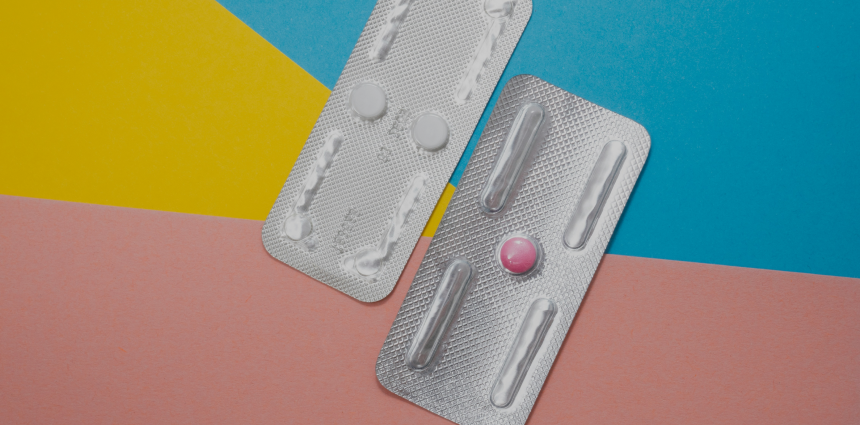
Contraceptive Pills in Ghana play a crucial role in family planning and reproductive health by offering individuals and couples a way to prevent unintended pregnancies.
There are various methods available, and understanding the right options can help you make informed decisions. You can also speak privately & confidentially with specialists like Dr. Josephine Idowu in Ghana, a gynecologist with expertise in women’s health to know the right option tailored for you. Also, one widely trusted organization in providing accessible contraceptive solutions is Marie Stopes Premier Clinic on DrDoGood, known for their commitment to reproductive health services in Ghana.
What is Contraception?
Contraception refers to methods or devices used to prevent pregnancy. There are several types, including hormonal methods (like birth control pills), barrier methods (such as condoms), long-acting reversible contraceptives (IUDs), and emergency contraception. You can also ask a doctor online in Ghana on DrDoGood to help you choose the best contraceptive method for your needs for free.
Best Contraceptive Pills in Ghana
Marie Stopes Premier Clinic on DrDoGood is a global organization known for providing high-quality contraceptive options and reproductive health services in Ghana. They offer a range of contraceptive methods designed to meet the diverse needs of women. Their solutions include both regular contraceptives for ongoing use and emergency contraceptives, providing safe, accessible, and reliable options for all.
Marie Stopes Premier Clinic contraceptives are designed to suit different lifestyles and health conditions, ensuring that women have access to options that fit their personal and medical needs.
How Marie Stopes Contraceptive Works
Marie Stopes Premier Clinic contraceptives include various options such as hormonal pills, IUDs, implants, and emergency contraceptives. Here’s how some of their methods work:
- Hormonal Pills: These are either combined pills (containing estrogen and progestin) or progestin-only pills. They prevent ovulation and thicken cervical mucus, making it harder for sperm to reach the egg.
- IUDs (Intrauterine Devices): IUDs offered by Marie Stopes come in both hormonal and copper-based forms. They work by preventing sperm from fertilizing the egg and, in some cases, by altering the uterine lining to prevent implantation.
- Emergency Contraception: Emergency contraceptives like the ones offered by Marie Stopes are designed to be used after unprotected sex. These pills prevent ovulation or alter the uterine environment to stop pregnancy from occurring.
You can also see a doctor online in Ghana for free to discuss which method is right for you.
Effectiveness and Benefits of Marie Stopes Contraceptives
Marie Stopes Premier Clinic contraceptive methods are highly effective when used correctly. For instance, hormonal pills have over 99% effectiveness with perfect use, while IUDs and implants are more than 99% effective.
Benefits of using Marie Stopes contraceptives include:
- Convenience and Accessibility: Marie Stopes Premier Clinic services are available in Ghana, making it easy to access contraceptive methods that suit your needs.
- Range of Options: From long-term methods like IUDs to emergency contraception, Marie Stopes provides a variety of solutions for different reproductive health goals.
- Affordability: Marie Stopes aims to make contraceptives affordable for all, ensuring that financial barriers don’t stand in the way of family planning.
- Safety: The contraceptives provided by Marie Stopes are medically tested and approved, ensuring safety and reliability.
How Long Does Contraceptive Stay in the Body?
The hormones in Contraceptive Pills generally remain in the body for a short duration after discontinuation. Typically, these hormones clear out within a few days to a week, allowing the body to resume its natural menstrual cycle. However, the time may vary based on individual metabolic rates and physiological differences.
Hormonal Clearance from the Body
After stopping Contraceptive Pills, the synthetic hormones are gradually cleared from the body. This process usually takes a few days to a week. The body’s natural hormone production resumes, and menstrual cycles typically return to their pre-pill state within a month or so.
Factors Affecting Hormone Clearance
Individual metabolic rates can influence how quickly hormones are cleared from the body. Factors such as age, weight, and overall health can play significant roles. Understanding these factors can help users anticipate how their bodies might respond after stopping the pills.
Resumption of Natural Menstrual Cycles
Once the synthetic hormones are cleared, the body’s natural menstrual cycle resumes. Most women experience a return to their regular cycles within a few weeks. However, some may take longer, depending on individual health conditions and metabolic variations.
Side Effects of Contraceptive Pills in Ghana
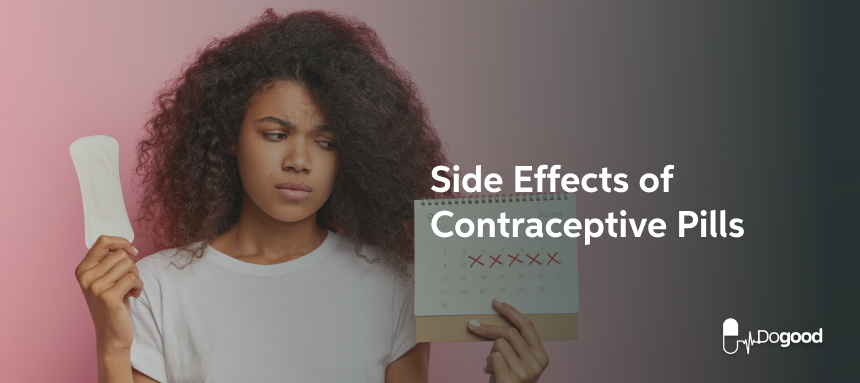
Common side effects
When using contraceptives, you may experience some common side effects. These typically include nausea, vomiting, abdominal pain, fatigue, dizziness, headache, and breast tenderness. Changes in your menstrual cycle are also possible, such as spotting or alterations in the timing and flow of your next period. It’s important to note that most of these side effects are usually mild and short-term, often resolving within a few days.
If you experience nausea or vomiting after taking contraceptive, it’s crucial to be aware that approximately 1% of women may vomit within three hours of taking the pill. In such cases, the effectiveness of the emergency contraceptive may be compromised, and you should contact a healthcare provider as soon as possible for advice.
When to see a doctor in Ghana
While most side effects of contraceptive are minor, there are situations where you should seek medical attention. If your period is more than five days late or is unusually light or heavy, it’s advisable to consult a doctor online on DrDoGood. This could indicate a potential pregnancy or other underlying issues.
You should also contact a healthcare provider if you experience severe lower stomach pain, especially three to five weeks after taking contraceptive. This could be a sign of an ectopic pregnancy, which is a serious medical condition requiring immediate attention.
In rare cases, you may have an allergic reaction to contraceptive. If you notice symptoms such as rash, itching, swelling (especially of the face, tongue, or throat), severe dizziness, or difficulty breathing, seek emergency medical help immediately on DrDoGood.
Drug interactions
It’s important to be aware that certain medications can interact with contraceptive, potentially reducing its effectiveness. Before taking Contraceptive Pills in Ghana, this emergency contraceptive, inform your healthcare provider about all the medications you’re currently using, including prescription drugs, over-the-counter medicines, and herbal supplements.
Some drugs that may decrease the effectiveness of contraceptive include:
- Rifamycins (such as rifampin and rifabutin)
- Certain anti-seizure medications (like carbamazepine, phenytoin, and topiramate)
- HIV medications (such as nelfinavir and nevirapine)
- St. John’s Wort
- Griseofulvin (an antifungal medication)
- Modafinil (used for sleep disorders)
If you’re taking any of these medications, your healthcare provider may recommend alternative emergency contraception methods or adjust your dosage to ensure effectiveness.
Remember, contraceptive is designed for occasional use as an emergency measure and should not be relied upon as a regular form of birth control. If you find yourself needing emergency contraception frequently, it’s advisable to consult with a healthcare provider about more suitable long-term contraceptive options.
FAQs About Contraceptive Pills in Ghana
Does contraceptive pills in Ghana work during ovulation
Contraceptive pills, including emergency or morning-after pills available in Ghana, aim to prevent ovulation. However, if ovulation has already occurred and the egg is released, taking emergency contraception may not prevent pregnancy, as it cannot stop the fertilization of an already released egg. For guidance on proper timing and usage, you can consult a doctor online in Ghana.
How can I confirm that contraceptive has been effective in Ghana?
The primary sign that contraceptive pills have worked is the arrival of your next menstrual period. When taken within 24 hours of unprotected intercourse, morning-after pills in Ghana are up to 99% effective. You can also ask a doctor online to confirm and discuss follow-up care.
What impact does contraceptives have on menstrual cycles?
Contraceptive pills can cause menstrual disturbances as a side effect. Studies show that about 30% of users in Ghana experience bleeding within seven days of taking emergency contraception, and up to 13% may face a delay in menstruation exceeding seven days. For personalized advice, see a doctor online in Ghana.
How does contraceptive work
Contraceptive pills available in Ghana primarily function by altering hormonal balance. They contain synthetic hormones, progestin and estrogen, that mimic natural hormones, thereby preventing ovulation. For guidance on choosing the right method for your health and lifestyle in Ghana, consult a gynecologist online like Dr. Josephine Idowu.

Leave a Reply