Monkeypox in Ghana has become an increasing health concern, with the Ghana Health Service (GHS) confirming several cases and urging the public to stay alert.
This infectious disease spreads through close contact with an infected person or animal, often presenting with symptoms like fever, rash, and fatigue. Staying ahead of the outbreak requires early awareness and swift action.
The GHS has reported 230 suspected cases across 88 districts, underscoring the need for heightened vigilance.
As the situation evolves, this blog will provide clear insights on identifying symptoms, preventing transmission, and understanding treatment options to help you stay informed and prepared.
What is MonkeyPox?
Mpox, previously called monkeypox, is a disease caused by the monkeypox virus, which belongs to the Orthopoxvirus family.
There are two main versions of this virus: clade I (which includes two subtypes, Ia and Ib) and clade II (with subtypes IIa and IIb). A major outbreak during 2022–2023 was triggered by the clade IIb strain.
The 2022–2023 Monkeypox outbreak in Ghana was part of a broader spread across West Africa, caused by the West African clade of the virus. Unlike some neighboring countries, Ghana had no previous endemic cases and only encountered mpox during this outbreak.
How is MonkeyPox Transmitted?
Here’s a simplified breakdown of how monkeypox in Ghana can spread:
Animal to Human Transmission
Direct Contact: Touching the blood, bodily fluids, or lesions of infected animals.
Eating Infected Meat: Consuming undercooked meat from infected animals can spread the virus.
Animal Bites or Scratches: Infections can result from bites or scratches by infected animals.
Human to Human Transmission
Respiratory Droplets: Close, face-to-face interactions can spread the virus through respiratory droplets.
Direct Contact: Contact with bodily fluids or lesions from an infected person can cause transmission.
Contaminated Materials: Indirect transmission occurs through objects like clothing or bedding that have been in contact with infectious lesions
How Can You Catch Monkeypox? – 5 Ways to Be Aware Of
Monkeypox spreads through various forms of close contact, making it essential to know how transmission occurs to reduce the risk of infection:
Close contact with infected individuals, including exposure to skin lesions, respiratory droplets, or bodily fluids.
Virus entry through broken skin, eyes, nose, or mouth, even without visible cuts or wounds.
Intimate contact, though not officially classified as a sexually transmitted infection, can spread the virus.
Contact with infected animals, such as monkeys, rats, or squirrels, can spread the virus.
Handling contaminated objects, like bedding, clothing, or towels, can result in infection.
Do You Have Monkeypox? A Guide to the Symptoms
Mpox symptoms typically develop in stages, with both flu-like signs and a distinctive rash that progresses over time.
Symptom
Details
Incubation Period
Symptoms typically appear 7-14 days after exposure but can range from 5 to 21 days.
Fever & Chills
Often the first symptom, accompanied by sweating.
Headache
Severe headaches are common in the early phase.
Swollen Lymph Nodes
Occurs in areas like the neck, armpits, or groin; a key indicator distinguishing it from smallpox.
Back and Muscle Pain
General body aches and back pain.
Exhaustion
Significant fatigue and low energy are typical.
Respiratory Symptoms
May involve a sore throat, cough, or nasal congestion.
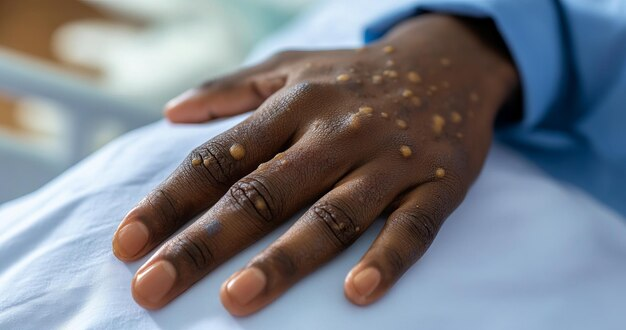
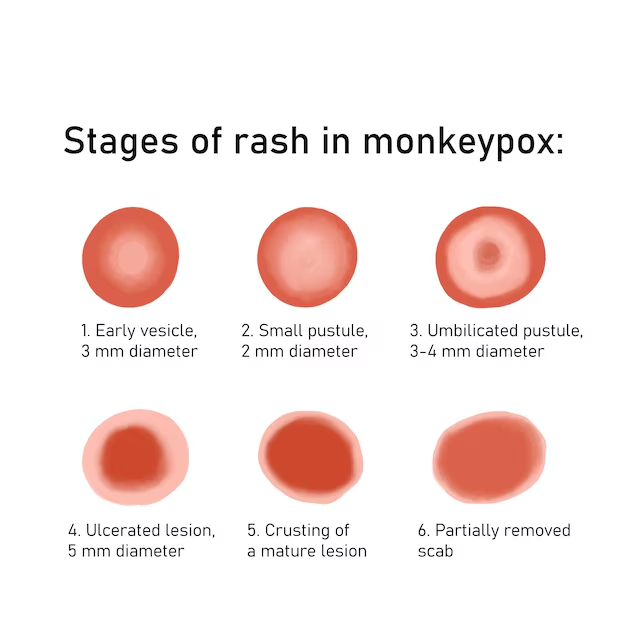
Rash
Starts on the face and spreads to other areas, including the palms, soles, and genitals. The rash evolves through flat spots (macules), raised bumps (papules), fluid-filled blisters (vesicles), pus-filled lesions (pustules), and scabs before healing.
If you experience any of these symptoms or suspect exposure, seek medical advice promptly
What is the Treatment for Monkeypox in Ghana? What Works and When to Seek Help
While there are no officially approved antiviral treatments specifically for mpox, several medications have been used during outbreaks. Here’s an overview of the current options:
Tecovirimat (TPOXX)
FDA-approved for smallpox but available for mpox treatment under an emergency access protocol by the CDC.
Stockpiled by the US Strategic National Stockpile and prescribed during outbreaks under special authorization.
Cidofovir
Typically used to treat cytomegalovirus (CMV) infections.
Demonstrated activity against poxviruses in lab and animal studies, though its effectiveness for mpox in humans is uncertain.
Available for mpox treatment through the CDC’s expanded access investigational new drug (EA-IND) program.
Brincidofovir (Tembexa)
A prodrug of cidofovir, with fewer risks of severe kidney toxicity.
Approved for smallpox treatment and under development for compassionate use for mpox treatment by the CDC.
If you have severe symptoms or belong to a high-risk group, healthcare providers may consider these antiviral options. However, the effectiveness of these treatments for mpox is still being studied
How to Cure Monkeypox at Home?
While there is no specific cure for monkeypox, you can manage symptoms at home with supportive care to aid recovery and prevent complications.
Cover the Rash: Use gauze or bandages to cover lesions to prevent spreading the virus to others and your surroundings.
Avoid Popping or Scratching Lesions: This won’t speed recovery and can cause the virus to spread or lead to bacterial infections.
Don’t Shave Affected Areas: Avoid shaving until scabs fall off and new skin forms, as shaving can spread the virus.
Keep the Rash Clean and Dry: When not bathing, keep lesions dry to prevent infections.
Wear a Mask Around Others: Continue masking until the rash and all other symptoms are fully resolved.
Prioritize Rest and Nutrition: Healthy eating and adequate rest can help your body recover faster.
Use Gloves for Rash on Hands: Wear non-irritating gloves when touching shared surfaces or objects. Disposable gloves should be discarded after use, while reusable gloves should be washed with soap and water.
Practice Frequent Handwashing: Wash hands with soap and water or use hand sanitizer, especially after touching the rash.
Handle Rash with Care: If you accidentally touch the rash, wash your hands immediately and avoid touching sensitive areas like your eyes, mouth, or genitals to prevent further spread.
FAQs
Who is most at risk for monkeypox?
People at higher risk include those in close physical contact with infected individuals, especially men who have sex with men, and those with weakened immune systems, including individuals living with HIV.
What country has the highest monkeypox?
The Democratic Republic of the Congo (DRC) reports the highest number of mpox cases in Africa, with 1,838 confirmed, 1,095 suspected cases, and 35 deaths as of August 30, 2024, followed by Burundi (Africa CDC repo
Is monkeypox curable?
There is no specific cure, but most people recover with supportive care. Antivirals and vaccines help prevent and manage severe cases.
How did monkeypox start?
Mpox was first identified in 1958 during two outbreaks of a pox-like disease in monkey colonies used for research in Denmark. Despite the name, the exact animal reservoir is unknown, with rodents suspected to play a significant role (CDC).
Want to See Doctors in Ghana?
Seek medical attention if you experience symptoms such as fever, rash, or swollen lymph nodes, especially after contact with an infected person or travel to affected areas.
Monkeypox Ghana remains a pressing health concern, requiring individuals to stay informed and take preventive measures to limit transmission.
Early recognition of symptoms and avoiding contact with infected individuals, animals, or contaminated objects are essential to managing the outbreak effectively.
For expert advice and personalized support, connect with a healthcare professional through the DrDoGood platform to receive reliable guidance on handling monkeypox and staying safe.
Apollo is highly contagious and spreads quickly through direct contact with infected individuals or contaminated surfaces.
To cure Apollo eye disease fast, a combination of hygiene practices and targeted treatments is essential. Depending on the cause, doctors may recommend antiviral or antibiotic eye drops along with home remedies.
First , it is important to understand what Apollo eye infection is, including its causes, symptoms, and transmission methods.
What is Apollo Eye Infection?
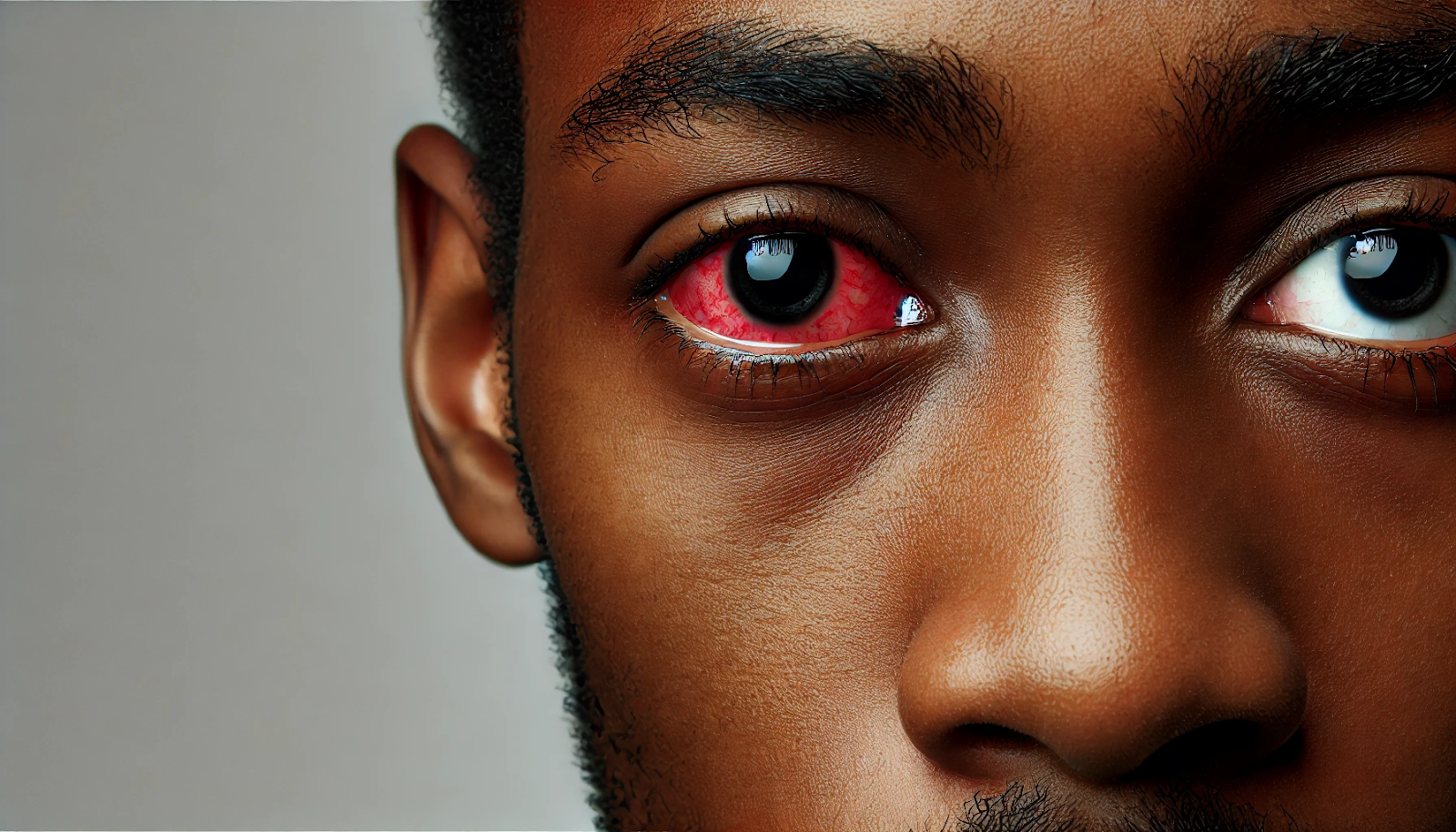
Apollo eye infection, also known as conjunctivitis, is an inflammation of the conjunctiva—the clear membrane covering the white part of the eye and the inner eyelids.
Approximately 300,000 people in Ghana are blind, with an additional 332,000 experiencing severe visual impairments, highlighting a significant public health challenge.
It is commonly caused by viral or bacterial infections, as well as allergic reactions. This inflammation makes the tiny blood vessels in the conjunctiva more visible, resulting in red or pink eyes.
What causes Apollo?
Apollo, commonly known as pink eye, can result from infections, allergies, or irritants—each with different causes and levels of contagion.
Type of Apollo
Cause
Contagious?
Viral Apollo
Virus (like cold viruses)
Yes – spreads easily
Bacterial Apollo
Bacteria (can come from contaminated surfaces or hands)
Yes – spreads easily
Allergic Apollo
Reaction to allergens (pollen, dust, pet dander)
No – not contagious
Irritant Apollo
Chemicals or foreign objects in the eye
No – caused by irritants, not germs
How Long Does Apollo Eye Infection Last?
Mild bacterial Apollo eye infections usually clear up within a week. Without treatment, recovery may take up to two weeks. If treated with antibiotics, symptoms often improve in 3–4 days, but it’s important to complete the full course to prevent recurrence.
What Happens During an Apollo Eye Infection? Main Signs & Symptoms
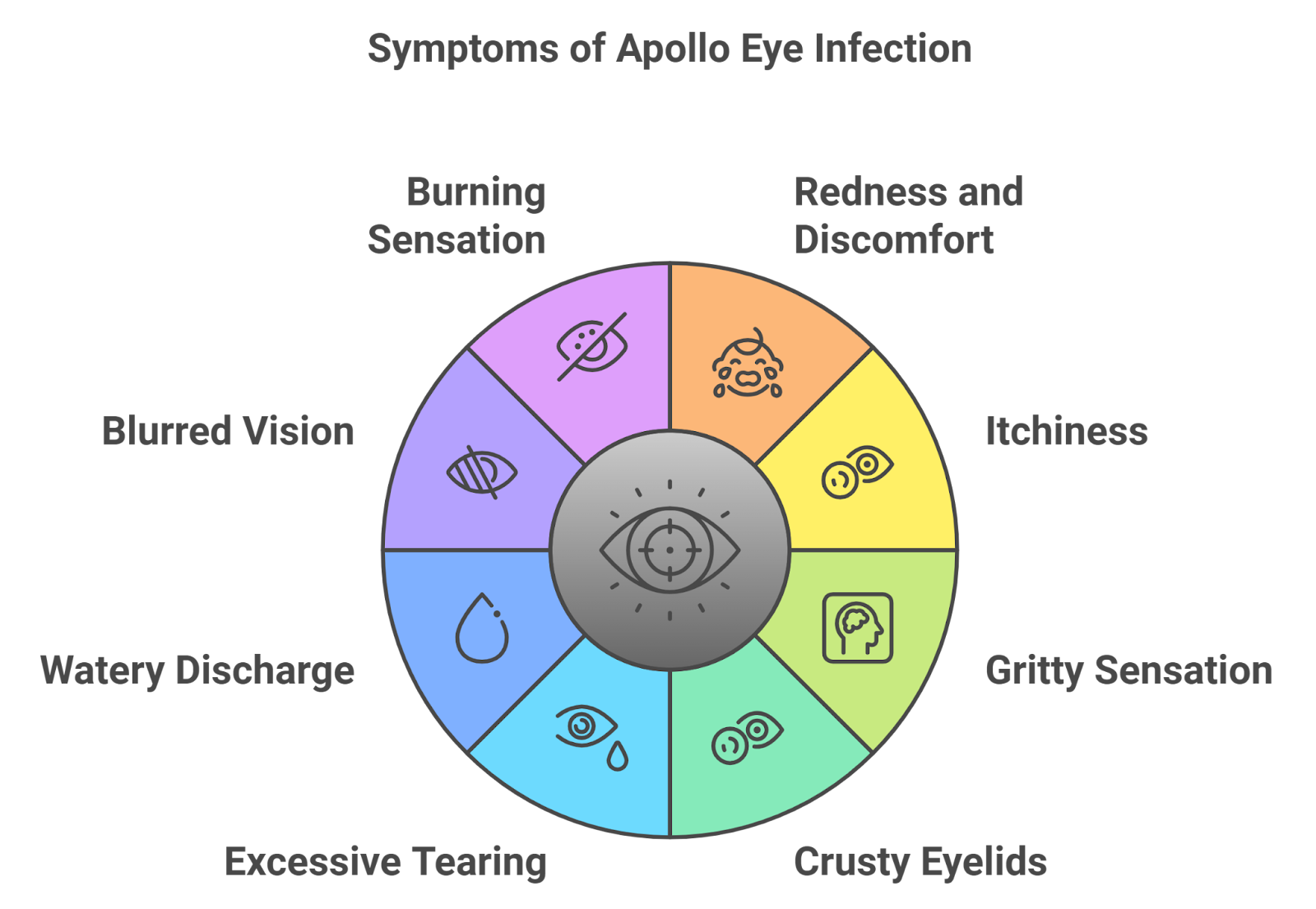
The Apollo disease, also known as pink eye, can affect one or both eyes, and the symptoms vary based on the cause. Here’s a clearer breakdown of the most common symptoms:
Redness and discomfort: The eyes appear bloodshot, often accompanied by mild to severe pain.
Itchiness: Persistent itching makes it hard to resist rubbing the eyes, which can worsen the condition.
Gritty sensation: Feels like there’s sand or dirt in the eye, especially noticeable when blinking.
Crusty eyelids: Discharge from the eyes can dry up, forming a crust that makes it difficult to open the eyes, especially in the morning.
Excessive tearing: The eyes may water continuously, making it hard to focus or see clearly.
Watery discharge: More common in viral cases, the eyes may produce a constant flow of clear fluid.
Blurred vision: Temporary vision issues can occur due to discharge, swelling, or excessive tearing.
Burning sensation: A stinging or burning feeling in the eyes, often due to irritation.
Light sensitivity: Bright light can feel uncomfortable or even painful, causing squinting or the need to shield the eyes.
Sore eyes: The eyes may feel tender and sensitive to touch.
Swollen eyelids: Inflammation can cause noticeable puffiness or swelling around the eyes.
How to Perform Apollo Eye Treatment at Home Safely?
Here are a few simple and effective ways to learn how to treat apollo eye infection at home:
Saltwater (Saline) Rinse: Mix 1 teaspoon of salt with half a liter of boiled, cooled water. Use a cotton swab to gently wipe the eyes and remove discharge.
Warm and Cold Compress:
Use a warm compress to soothe irritated eyes and soften crusts.
A cold compress can reduce swelling and relieve discomfort.
Honey Drops: Add two drops of honey to cooled boiled water and apply with a sterilized dropper. Honey’s antibacterial properties help fight infection.
Cucumber Slices or Green Tea Bags: Place them over closed eyes to reduce inflammation and refresh tired eyes.
Change Bedding and Towels Frequently: Wash pillowcases and towels regularly to prevent reinfection and spreading the infection to others.
Avoid Eye Makeup and Contact Lenses: Stop wearing contacts until recovery, and discard old eye makeup to avoid contamination.
Wash Bedding and Towels Frequently:
Clean pillowcases, sheets, and towels regularly to avoid spreading the infection. Avoid sharing these items with others.
What Antibiotics & Eye Drops for Apollo Eye Infection Should You Use?
Here’s a quick breakdown of antibiotics for apollo eye and eye drops commonly used to treat bacterial Apollo (pink eye) infections:
Besifloxacin (Effective against drug-resistant bacteria)
Antibiotic Ointments:
Erythromycin
Bacitracin
For Severe Infections:
Combination of Aminoglycosides (e.g., Tobramycin) and Cephalosporins
For Specific Infections (e.g., Gonococcal or Chlamydial):
Oral antibiotics are recommended to address systemic infections that impact the eyes along with the best eye drops for apollo.
How to Prevent Apollo Eye Infections? 10 Effective Tips for Healthy Eyes
Preventing Apollo eye infections is simple with good hygiene and a few mindful habits:
Wash Hands Often: Use soap and water for at least 20 seconds, especially after touching your face or eyes.
Avoid Touching Your Eyes: Keep your hands away from your eyes, especially when they aren’t clean.
Use Clean Towels and Pillowcases: Change them regularly and avoid sharing with others.
Dispose of Old and Expired Makeup: Toss old eye products like mascara and eyeliner, and don’t share cosmetics or makeup tools.
Clean Contact Lenses Properly: Follow lens care instructions and replace cases frequently.
Disinfect Surfaces: Regularly clean objects like phones, doorknobs, and shared spaces.
Manage Allergies: Take allergy medications to reduce irritation and rubbing of the eyes.
Avoid Eye Contact with Irritants: Wear goggles when swimming or working with chemicals.
Stay Home if Infected: Rest at home until symptoms improve to prevent spreading the infection.
Seek Medical Help if Symptoms Worsen: See a doctor for persistent or worsening symptoms to get proper treatment.
FAQs
When to See a Doctor if you have Apollo eye?
Consult a doctor if symptoms worsen, do not improve within a week, or are accompanied by severe pain, blurred vision, or light sensitivity?
What are the Symptoms of Apollo Eye Infection?
Symptoms include redness, watery or thick discharge, eye pain, itching, swelling of the eyelids, and sensitivity to light?
How is Apollo Eye Infection Diagnosed?
Doctors diagnose it through a physical eye examination and, in severe cases, may take a sample of discharge for lab testing to identify the infection’s cause?
Wrap Up
To cure Apollo eye disease fast, maintain proper hygiene, use prescribed eye drops, and apply home remedies like warm compresses for quick relief. Acting early helps reduce symptoms and prevent spreading the infection.
For personalized care, schedule a consultation with a doctor through the DrDoGood platform for expert guidance on managing Apollo eye disease safely.
Diabetes is a chronic health condition characterized by high blood sugar levels due to the body’s inability to produce or effectively use insulin. There are three main types:
Type 1 Diabetes: An autoimmune condition where the body attacks insulin-producing cells in the pancreas.
Type 2 Diabetes: The most common form, where the body either becomes resistant to insulin or doesn’t produce enough.
Gestational Diabetes: Occurs during pregnancy when hormonal changes lead to insulin resistance.
Managing diabetes is important to prevent both short-term and long-term complications.
In today’s article, we would share more insights on how to live your best life with this condition.
The Role of Insulin and Glucagon in regulating Blood Sugar levels in the body.
Insulin and glucagon are two key hormones produced by the pancreas that work together to maintain balanced blood sugar (glucose) levels;an important process for energy production and overall health.
Let’s take a closer look at these hormones and their functions below.
Insulin: This hormone is released by the pancreas when blood sugar levels are high (after eating), insulin helps cells in muscles, fat, and the liver absorb glucose from the bloodstream for energy or storage as glycogen. This lowers blood sugar levels and keeps them in a healthy range.
Glucagon: This hormone is released when blood sugar levels are low (such as between meals or during fasting), glucagon signals the liver to break down stored glycogen into glucose and release it into the bloodstream. This raises blood sugar levels to ensure that the body has enough energy.
How Insulin Works in the Body
After eating, carbohydrates are broken down into glucose, which enters the bloodstream.
The pancreas senses the rise in blood glucose and releases insulin.
Insulin allows glucose to enter cells where it can be used for energy or stored for later use.
If there’s too much glucose, insulin promotes the storage of glucose in the liver as glycogen.
In people with Type 1 diabetes, the body doesn’t produce insulin, so glucose can’t enter the cells, leading to high blood sugar levels. In Type 2 diabetes, cells become resistant to insulin’s effects, also causing high blood sugar.
Blood Sugar Levels and Their Importance
Maintaining balanced blood sugar levels is vital for the body’s energy supply, brain function, and metabolic processes. Too much sugar (hyperglycemia) can damage organs over time, while too little sugar (hypoglycemia) can lead to confusion, fainting, or seizures.
Balanced blood sugar levels help:
Prevent long-term complications like heart disease, nerve damage, and kidney failure.
Maintain stable energy levels throughout the day.
Support cognitive function and overall well-being.
Lifestyle Tips for Managing Diabetes
Managing diabetes well means making healthy lifestyle choices. Here are some simple strategies to keep blood sugar levels steady and improve overall health:
Regular Physical Activity
Exercise plays a crucial role in managing diabetes. It helps the body use insulin more effectively, which lowers blood sugar levels. Physical activity also promotes weight loss, reduces stress, and improves cardiovascular health, all of which are essential for diabetes management.
Examples of exercises to engage in are:
Walking: A simple and effective way to lower blood sugar levels and improve circulation.
Strength Training: Builds muscle, which increases insulin sensitivity and helps the body use glucose more efficiently.
Aerobic Exercise: Activities like swimming, biking, or jogging help to reduce blood sugar levels and improve heart health.
Flexibility and Balance Exercises: Yoga or stretching can improve flexibility and help manage stress, contributing to better overall health.
Stress Management
Stress can affects your Blood Sugar Levels, when you’re stressed, your body releases hormones like cortisol and adrenaline, which can raise your blood sugar. Ongoing stress can make it harder to manage diabetes by causing insulin resistance and leading to unhealthy eating habits.
Techniques for reducing stress include :
Meditation: A mindfulness practice that can help lower stress and blood sugar levels by calming the mind and body.
Yoga: Combines movement and mindfulness, which can reduce stress and improve insulin sensitivity.
Deep Breathing: Simple breathing exercises can lower stress hormones and stabilize blood sugar.
Physical Activity: Regular exercise, as noted above, is also an excellent stress reliever.
Quality of Sleep and Its Impact on Blood Sugar
Not getting enough sleep can make it harder to control diabetes by reducing insulin sensitivity and increasing cravings for sugary foods, which raise blood sugar. Lack of sleep also leads to more stress and inflammation, making it even harder to manage blood sugar.
The following tips are helpful for Improving quality of sleep
Maintain a regular sleep schedule.
Create a restful environment free of distractions.
Limit caffeine and heavy meals before bed.
Incorporate relaxation techniques such as reading or meditation before sleep.
Diet and Nutrition to Manage Diabetes
What you eat has a big impact on your blood sugar levels. Certain foods, especially those high in sugar or refined carbs, can cause blood sugar to spike, while a balanced diet helps keep it steady.
Carbs: Carbohydrates raise blood sugar, so it’s important to choose healthy carbs like whole grains and veggies.
Fats: Healthy fats, like those from nuts or avocados, help keep you full and don’t raise blood sugar.
Proteins: Protein helps with muscle repair and keeps blood sugar steady when eaten with carbs.
Worthy to note are
Fiber rich foods : Dietary fiber is the part of plant foods that your body can’t digest or absorb. It helps slow down digestion, which aids in controlling blood sugar levels.
Examples include :
-Vegetables.
-Fruits. For the most fiber benefit, eat whole fruits rather than drinking fruit juice.
-Nuts.
-Legumes, such as beans and peas.
-Whole grains.
Choosing the Right Carbohydrates
The type of carbohydrates you eat can greatly affect your blood sugar levels. Choosing the right carbs helps keep blood sugar stable.
A perfect example of carbs to consider in your diet are:
-Low-Glycemic Foods: Low-glycemic foods, like whole grains, beans, and non-starchy vegetables, cause a slower rise in blood sugar compared to sugary or refined carbs.
Portion Control and Meal Timing
Managing how much and when you eat plays an important role in keeping blood sugar levels steady.
Portion Control: Eating smaller portions helps prevent sharp spikes in blood sugar, especially after meals. It also makes it easier to manage weight, which is important for diabetes control.
Meal Timing: Eating at regular times during the day helps maintain consistent blood sugar levels. Skipping meals or eating too late can lead to big swings in blood sugar, making it harder to manage diabetes effectively.
Sugary Snacks: Candy, cookies, cakes, and pastries.
Sugary Drinks: Soda, fruit juices, and sweetened teas.
Refined Carbohydrates:
White Bread and Pasta: These can cause quick spikes in blood sugar.
Pastries and Croissants: Often high in sugar and low in nutrients.
Processed Foods:
Fast Food: Often high in unhealthy fats, sugar, and calories.
Packaged Snacks: Chips and crackers that may contain added sugars and unhealthy fats.
Fried Foods:
French Fries and Fried Chicken: High in unhealthy fats and calories, which can lead to weight gain and insulin resistance.
Full-Fat Dairy Products:
Whole Milk and Cream: Higher in saturated fats, which can negatively impact heart health.
Certain Condiments and Sauces:
Ketchup and BBQ Sauce: Often contain added sugars.
Sweet Salad Dressings: Check labels for hidden sugars.
Alcohol:
Sugary Cocktails: Can raise blood sugar levels quickly.
Excessive Alcohol: Can cause blood sugar to drop too low and interfere with diabetes management.
High-Sodium Foods:
Processed Meats and Canned Soups: High in salt, which can lead to high blood pressure and other health issues.
Limiting these foods can help better manage blood sugar levels and promote overall health. It’s essential to focus on a balanced diet that includes whole, nutrient-rich foods
Medication to Manage Diabetes
Types of Diabetes Medications
There are several types of medications used to manage diabetes, depending on the type of diabetes and individual patient needs. Here’s a breakdown of the main categories:
Insulin
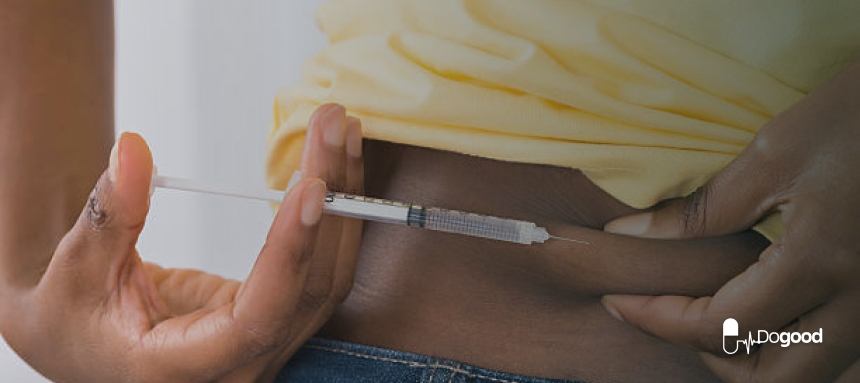
Description: Essential for people with Type 1 diabetes and sometimes for those with Type 2 diabetes. Insulin helps lower blood sugar levels by allowing glucose to enter cells.
Types:
-Rapid-acting: Begins working quickly (e.g., lispro, aspart).
-Short-acting: Takes effect within a few hours (e.g., regular insulin).
-Intermediate-acting: Works for a longer period (e.g., NPH insulin).
-Long-acting: Provides a steady release of insulin over time (e.g., glargine, detemir).
2. Metformin
Description: The most commonly prescribed oral medication for Type 2 diabetes. It helps lower blood sugar levels by improving insulin sensitivity and reducing glucose production in the liver.
3. Sulfonylureas
Description: These are among the oldest diabetes drugs still used today. They work by stimulating the pancreas with the help of beta cells. This causes your body to make more insulin.
Common examples include glipizide, glyburide, and glimepiride.
4. Meglitinides
Description: Similar to sulfonylureas but with a faster onset and shorter duration. They help lower blood sugar by stimulating insulin release (e.g., repaglinide, nateglinide).
5. Thiazolidinediones (TZDs)
Description: Improve insulin sensitivity and lower blood sugar by acting on fat and muscle cells (e.g., pioglitazone, rosiglitazone).
6. Dipeptidyl peptidase-4 (DPP-4) inhibitors
Description: Help increase insulin production and decrease glucose production in the liver (e.g., sitagliptin, saxagliptin).
Description: Mimic incretin hormones, which help lower blood sugar by increasing insulin secretion and slowing down digestion (e.g., liraglutide, exenatide). These medications are often administered via injection.
8.Sodium-glucose transport protein 2 (SGLT2) inhibitors
Description: Help lower blood sugar by preventing glucose reabsorption in the kidneys, leading to increased glucose excretion in urine (e.g., canagliflozin, empagliflozin).
9. Alpha-Glucosidase Inhibitors
Description: Slow down carbohydrate digestion and absorption in the intestines, helping to control blood sugar levels after meals (e.g., acarbose, miglitol).
Things to note;
The choice of medication depends on various factors, including the type of diabetes, individual health conditions, and potential side effects.
Lifestyle changes, such as diet and exercise, are often recommended alongside medication for better blood sugar control.
Always consult with a healthcare provider for personalized advice and treatment plans.
Consult Your Doctor
There are many medications and diet plans available to help manage both type 1 and type 2 diabetes. Each option works differently to control blood sugar levels.
It’s important to ask your doctor which diabetes medication is right for you. They can recommend the best treatment based on your type of diabetes, overall health, and other individual factors.
Keep in mind, new diabetes medications are constantly being researched and approved, so discussing the latest options with your doctor can be beneficial.
In summary, effectively managing diabetes requires a balanced approach that combines lifestyle choices, a healthy diet, and the appropriate use of medication. Regular physical activity, portion control, and mindful eating all contribute to maintaining stable blood sugar levels.
It’s also important to stay consistent with your treatment plan and not hesitate to seek support from healthcare professionals, family, or diabetes support groups.
By working together and remaining committed to your health, you can achieve better control over your diabetes and enhance your overall well-being.
Lydia contraceptive is a popular hormonal birth control method that offers women an effective way to prevent unwanted pregnancies. As a progestin-only pill, it provides a reliable contraceptive option for those who cannot or prefer not to use estrogen-based methods.
Wondering if Lydia contraceptive is the right option for you? Ask a licensed doctor online on DrDoGood in Ghana for quick, confidential guidance.
In this comprehensive guide, you’ll learn about the benefits of using Lydia contraceptive, including its effectiveness as an emergency contraceptive. We’ll cover how to take Lydia contraceptive properly, potential side effects to watch out for, and answer common questions like how long it stays in your body and whether it can delay your period. By the end, you’ll have a clear understanding of this contraceptive method and be better equipped to make informed decisions about your reproductive health.
What is Lydia Contraceptive?
Lydia contraceptive is a popular emergency birth control option designed to prevent unwanted pregnancies. It’s an over-the-counter medication that you can use after unprotected sex or when your regular contraceptive method fails. The Lydia contraceptive is not intended for regular use as a primary form of birth control but rather as an emergency measure.
Active ingredient
The active ingredient in Lydia contraceptive is levonorgestrel, a synthetic progestogen similar to the natural hormone progesterone. Each Lydia postpill contains 1.5 mg of levonorgestrel. This hormone is commonly found in various oral contraceptives and intrauterine devices (IUDs).
How it works
Lydia contraceptive works through several mechanisms to prevent pregnancy:
Delaying ovulation: The primary way Lydia contraceptive works is by postponing the release of an egg from your ovary. This delay in ovulation is most effective when you take the pill before your ovulatory period.
Thickening cervical mucus: Levonorgestrel alters the consistency of the mucus in your cervix, making it more difficult for sperm to travel into the uterus and fertilize an egg.
Altering the uterine lining: The hormone also causes changes in your uterine lining, potentially making it less suitable for implantation of a fertilized egg.
Experiencing unexpected side effects after taking Lydia? Chat with a specialist on DrDoGood and get tailored advice instantly
It’s important to note that Lydia contraceptive does not interrupt an established pregnancy or harm a developing embryo. If you’re already pregnant when you take the pill, it won’t have any effect on the pregnancy.
Effectiveness
The effectiveness of Lydia contraceptive depends on how quickly you take it after unprotected sex. When used within 72 hours (3 days) of unprotected intercourse, Lydia contraceptive has an 84% effectiveness rate in preventing pregnancy. However, it’s most effective when taken as soon as possible, preferably within 24 hours after unprotected sex.
The timing of your ovulation can affect the pill’s effectiveness. If you’ve already ovulated when you take Lydia contraceptive, it may not be as effective in preventing pregnancy. This is because the pill primarily works by delaying ovulation, and if an egg has already been released, there’s a higher chance of fertilization occurring.
Not sure if you took Lydia contraceptive correctly? Speak to a DrDoGood doctor in Ghana for step-by-step guidance to stay protected.
It’s worth noting that Lydia contraceptive doesn’t provide any protection against sexually transmitted infections. If you’re concerned about STIs, you should use additional protection like condoms.
Remember, while Lydia contraceptive is an effective emergency option, it’s not designed for regular use. Frequent use can disrupt your menstrual cycle and lead to irregular periods. For ongoing contraception, it’s best to consult with a healthcare provider to find a suitable long-term method that fits your needs and lifestyle.
Benefits of Lydia Contraceptive
Emergency contraception
Lydia contraceptive serves as an effective emergency birth control option, helping to prevent unwanted pregnancies after unprotected sex or contraceptive failure. When used properly, emergency contraception can prevent up to over 95% of unintended pregnancies. This makes Lydia contraceptive a valuable tool for women who find themselves in unexpected situations or when their regular contraceptive method fails.
One of the key advantages of Lydia contraceptive is its high effectiveness rate. When taken within 72 hours after unprotected intercourse, it has an 84% success rate in preventing pregnancy. However, it’s important to note that the sooner you take it after unprotected sex, the higher the success rate. This makes Lydia contraceptive a reliable option for those seeking to avoid unintended pregnancies in emergency situations.
Ease of use
Taking Lydia contraceptive is straightforward and doesn’t require medical supervision. The recommended single dose is 1.5mg of Levonorgestrel, which should be taken within 72 hours after unprotected sex. This simple dosage makes it easy for women to use the contraceptive correctly without confusion.
There are two common ways to take Lydia contraceptive pills. You can either take both tablets at the same time or take one tablet as soon as possible (preferably within 24 hours) and the second tablet 12 hours later. This flexibility allows you to choose the method that best suits your situation and schedule.
One of the significant benefits of Lydia contraceptive is its accessibility. In many countries, including Ghana, emergency contraceptive pills like Lydia post pill are available over-the-counter without a prescription. This means you can easily obtain the contraceptive from pharmacies and drugstores without the need for a doctor’s visit or prescription.
However, it’s crucial to remember that while Lydia contraceptive is easily accessible, it doesn’t provide protection against sexually transmitted infections. If you’re concerned about STIs, you should use additional protection like condoms.
Using Lydia contraceptive correctly is crucial to ensure its effectiveness as an emergency contraceptive method. Here’s a comprehensive guide on how to take Lydia contraceptive properly:
Timing
The timing of when you take Lydia contraceptive is critical for its effectiveness. You should take the pill as soon as possible after unprotected sex, ideally within 12 hours, but no later than 72 hours (3 days). Remember, the sooner you take the pill after unprotected intercourse, the higher its effectiveness in preventing pregnancy.
It’s important to note that Lydia contraceptive is designed for emergency use only and should not be relied upon as a regular form of birth control. If you find yourself needing to use emergency contraception frequently, it may be helpful to consult with a healthcare provider about more effective, long-term contraceptive methods.
Not sure if you took Lydia contraceptive correctly? Speak to a DrDoGood doctor in Ghana for step-by-step guidance to stay protected.
Dosage instructionsfor Lydia contraceptive
Lydia contraceptive comes in a single tablet containing 1.5 mg of levonorgestrel. To use it correctly, follow these steps:
Take the pill orally with water. Do not chew or crush the tablet.
You can take Lydia contraceptive with food to help reduce potential side effects like nausea, dizziness, and headache.
If you’re using a two-pill regimen, take the second pill 12 hours after the first one.
It’s crucial to understand that Lydia contraceptive does not provide ongoing protection against pregnancy. You could become pregnant the next time you have unprotected sex unless you start using another contraceptive method immediately. In fact, you may be most fertile soon after taking emergency contraceptive pills (ECPs).
To ensure continuous protection, start using another contraceptive method by the next day. This may include using a backup method if your chosen ongoing contraceptive requires it.
Not sure if you took Lydia contraceptive correctly? Ask a DrDoGood doctor in Ghana for step-by-step guidance to stay protected.
What to do if you vomit
If you vomit within two hours of taking Lydia contraceptive, you should take another dose immediately. This is because the medication may not have been fully absorbed by your body.
If vomiting occurs more than two hours after taking the pill, you don’t need to take an extra dose. However, if you’re unsure or concerned, it’s always best to consult with a healthcare provider or pharmacist for advice.
To help prevent vomiting, you can try taking an anti-nausea medication before your repeat dose of Lydia contraceptive. If vomiting continues and you’re unable to keep the pill down, you have the option of placing the pill high in your vagina for absorption.
Curious how your diet affects contraception effectiveness? Connect with our dietician Rd. Gracia Helarie on DrDoGood for personalized nutrition tips.
Remember, while Lydia contraceptive is an effective emergency contraceptive method, it’s not 100% foolproof. If your period is more than seven days late after taking Lydia contraceptive, it’s advisable to take a pregnancy test or consult with a healthcare provider.
By following these instructions carefully, you can maximize the effectiveness of Lydia contraceptive in preventing unintended pregnancy after unprotected sex or contraceptive failure.
How Much Is Lydia Contraceptive in Ghana?
The price of Lydia Contraceptive Pills in Ghana typically ranges between GHS 15 to GHS 30 per pack, depending on the type and dosage. This price range ensures that a wider demographic can afford these contraceptives, thereby promoting better family planning practices and reducing unplanned pregnancies.
Comparing Costs with Other Contraceptives
When compared to other contraceptive options available in Ghana, Lydia Contraceptive Pills offer a cost-effective solution. Their competitive pricing ensures that women have access to reliable contraception without financial strain. This comparison helps users understand the value Lydia Contraceptive provides relative to other methods.
How Long Does Lydia Contraceptive Stay in the Body?
The hormones in Lydia Contraceptive Pills generally remain in the body for a short duration after discontinuation. Typically, these hormones clear out within a few days to a week, allowing the body to resume its natural menstrual cycle. However, the time may vary based on individual metabolic rates and physiological differences.
Hormonal Clearance from the Body
After stopping Lydia Contraceptive Pills, the synthetic hormones are gradually cleared from the body. This process usually takes a few days to a week. The body’s natural hormone production resumes, and menstrual cycles typically return to their pre-pill state within a month or so.
Factors Affecting Hormone Clearance
Individual metabolic rates can influence how quickly hormones are cleared from the body. Factors such as age, weight, and overall health can play significant roles. Understanding these factors can help users anticipate how their bodies might respond after stopping the pills.
Resumption of Natural Menstrual Cycles
Once the synthetic hormones are cleared, the body’s natural menstrual cycle resumes. Most women experience a return to their regular cycles within a few weeks. However, some may take longer, depending on individual health conditions and metabolic variations.
Side Effects of Lydia Contraceptive
Common side effects
When using Lydia contraceptive, you may experience some common side effects. These typically include nausea, vomiting, abdominal pain, fatigue, dizziness, headache, and breast tenderness. Changes in your menstrual cycle are also possible, such as spotting or alterations in the timing and flow of your next period. It’s important to note that most of these side effects are usually mild and short-term, often resolving within a few days.
If you experience nausea or vomiting after taking Lydia contraceptive, it’s crucial to be aware that approximately 1% of women may vomit within three hours of taking the pill. In such cases, the effectiveness of the emergency contraceptive may be compromised, and you should contact a healthcare provider as soon as possible for advice.
When to see a doctor
While most side effects of Lydia contraceptive are minor, there are situations where you should seek medical attention. If your period is more than five days late or is unusually light or heavy, it’s advisable to consult your doctor. This could indicate a potential pregnancy or other underlying issues.
You should also contact a healthcare provider if you experience severe lower stomach pain, especially three to five weeks after taking Lydia contraceptive. This could be a sign of an ectopic pregnancy, which is a serious medical condition requiring immediate attention.
In rare cases, you may have an allergic reaction to Lydia contraceptive. If you notice symptoms such as rash, itching, swelling (especially of the face, tongue, or throat), severe dizziness, or difficulty breathing, seek emergency medical help immediately.
Drug interactions
It’s important to be aware that certain medications can interact with Lydia contraceptive, potentially reducing its effectiveness. Before taking this emergency contraceptive, inform your healthcare provider about all the medications you’re currently using, including prescription drugs, over-the-counter medicines, and herbal supplements.
Some drugs that may decrease the effectiveness of Lydia contraceptive include:
Rifamycins (such as rifampin and rifabutin)
Certain anti-seizure medications (like carbamazepine, phenytoin, and topiramate)
HIV medications (such as nelfinavir and nevirapine)
St. John’s Wort
Griseofulvin (an antifungal medication)
Modafinil (used for sleep disorders)
If you’re taking any of these medications, your healthcare provider may recommend alternative emergency contraception methods or adjust your dosage to ensure effectiveness.
Remember, Lydia contraceptive is designed for occasional use as an emergency measure and should not be relied upon as a regular form of birth control. If you find yourself needing emergency contraception frequently, it’s advisable to consult with a healthcare provider about more suitable long-term contraceptive options.
Conclusion
Lydia contraceptive offers a reliable emergency option to prevent unwanted pregnancies. Its effectiveness, ease of use, and accessibility make it a valuable tool for women in unexpected situations. However, it’s crucial to remember that this is not a regular birth control method and should only be used in emergencies. Proper usage, including timely administration and awareness of potential side effects, is key to maximizing its benefits.
While it provides a safety net, it’s essential to consider long-term contraceptive solutions for ongoing protection. To get personalized advice on the best contraceptive methods for your needs, you can consult with healthcare professionals on the DrDoGood. By staying informed and making thoughtful choices about contraception, women can take control of their reproductive health and plan their futures with confidence.
FAQs
Does lydia contraceptive work during ovulation
Lydia contraceptive, like other morning-after pills, aims to prevent ovulation. However, if ovulation has already occurred and the egg is released, taking emergency contraception may not prevent pregnancy, as it cannot stop the fertilization of an already released egg.
How can I confirm that Lydia contraceptive has been effective?
The primary indication that Lydia contraceptive has worked is the arrival of your next menstrual period. While it’s understandable to be anxious, remember that when taken within 24 hours of unprotected intercourse, morning-after pills like ellaOne are 99% effective. Familiarizing yourself with your menstrual cycle can also be helpful.
What impact does Lydia have on menstrual cycles?
Lydia contraceptive can cause menstrual disturbances as one of its side effects. Studies show that about 30% of users experience bleeding within seven days of taking emergency contraception, and up to 13% might face a delay in their menstruation exceeding seven days.
How does lydia contraceptive work
Lydia Contraceptive Pills primarily function by altering the hormonal balance within the body. These pills contain synthetic hormones—progestin and estrogen—that mimic natural hormones, thereby preventing ovulation. Without ovulation, there is no egg available for fertilization.
Diabetes occurs when blood sugar levels become too high.If you are wondering how many different types of diabetes are there; there are two main types: Type 1, where the immune system destroys insulin-producing cells, and Type 2, where the body produces insufficient insulin or cells resist it.
On the other hand, Gestational diabetes, which occurs during pregnancy, usually resolves after childbirth. Type 2 is more common, with diabetes affecting 2.6% to 9% of Ghanaians.
Let’s get into more detail about the types of diabetes you should know about.
Which Type of Diabetes Do You Need to Know About?
Diabetes refers to conditions where your blood sugar levels are too high. There are several types, each with unique causes and characteristics. Here’s a simple guide to help you understand the different types.
Type 1 Diabetes
What happens? The body’s immune system attacks the insulin-producing cells in the pancreas, meaning no insulin is produced.
Impact: Without insulin, glucose stays in the blood instead of entering the cells to provide energy.
Management: Requires insulin therapy for life.
Type 2 Diabetes
What happens? The pancreas either doesn’t make enough insulin, or the insulin doesn’t work properly (insulin resistance).
Impact: Blood sugar levels rise, which can lead to complications if untreated (e.g., heart, eye, and foot problems).
Commonality: Around 90% of people with diabetes have type 2.
Management: Lifestyle changes, medications, and sometimes insulin therapy.
Gestational Diabetes
What happens? Develops during pregnancy in women who have never had diabetes before.
Impact: High blood sugar levels can affect both the mother and baby.
Management: Diet, exercise, and sometimes medication. It usually resolves after childbirth
Other Types of Diabetes
Maturity-Onset Diabetes of the Young (MODY)
Cause: A genetic mutation inherited from one parent.
Impact: Develops before age 25, regardless of weight or lifestyle.
Management: Often managed with specific medications, sometimes without insulin.
Neonatal Diabetes
What is it? Diagnosed in infants under 6 months.
Cause: Not an autoimmune disorder, unlike type 1.
Management: Can involve insulin or other treatments depending on the type.
Latent Autoimmune Diabetes in Adults (LADA)
What is it? A slow-developing form of type 1 diabetes, often confused with type 2.
Management: Initially managed like type 2, but insulin is eventually needed.
Rare Types of Diabetes
Type 3c Diabetes: Caused by diseases (like pancreatitis or pancreatic cancer) that damage the pancreas.
Steroid-Induced Diabetes: Triggered by long-term steroid use, especially in those at risk of type 2.
Cystic Fibrosis Diabetes: A specific type seen in people with cystic fibrosis, combining elements of both type 1 and type 2.
Monogenic Diabetes: Caused by a mutation in a single gene. Some cases can be managed with pills instead of insulin.
Wolfram Syndrome: A rare genetic disorder with diabetes along with vision and hearing loss.
Alström Syndrome: A genetic syndrome that involves diabetes and other health issues.
What is the Difference Between Diabetes Insipidus and Diabetes Mellitus?
If you’re wondering about the difference between diabetes mellitus and diabetes insipidus, here’s a quick comparison:
Diabetes Mellitus: Involves high blood sugar due to insufficient insulin; urine has a sweet smell from excess glucose.
Diabetes Insipidus: Involves excessive urination and thirst due to the kidneys’ inability to concentrate urine; urine is colourless and odourless.
What are the Signs of Diabetes in Men?
Here are some common signs of diabetes in men, which can help with early detection and prompt treatment:
Sign
Description
Frequent urination
Urinating more often, especially during the night.
Increased thirst
Feeling extremely thirsty, sometimes drinking up to 6–7 litres a day.
Fatigue
Persistent tiredness, even with enough rest.
Unexplained weight loss
Losing weight without trying, despite a normal or increased appetite. You can find out your BMI through the BMI calculator.
Slow-healing wounds
Cuts, bruises, or small injuries take longer to heal.
Blurred vision
Caused by dryness of the lens, affecting focus.
Erectile dysfunction (ED)
Diabetes can lead to ED at younger ages than usual.
Reduced muscle mass
Raised blood sugar causes the body to break down muscle and fat for energy.
Acanthosis nigricans
Dark, velvety patches of skin, often appearing on the neck, armpits, or groin.
What are the Signs of Diabetes in Women?
Here are some common signs of diabetes in women, which can help with early diagnosis and effective management:
Sign
Description
Frequent urination
Urinating more often, especially at night.
Excessive thirst
Persistent thirst, needing to drink frequently.
Unexplained weight loss
Losing weight without trying or lifestyle changes.
Vaginal infections
Recurrent yeast infections or urinary tract infections (UTIs).
Vaginal dryness
Decreased lubrication, causing discomfort.
Period irregularities
Menstrual cycles that become irregular or unpredictable.
Infertility
Difficulty conceiving, possibly linked to insulin resistance.
Pregnancy complications
Higher risk of complications like gestational diabetes.
Slow-healing wounds
Cuts and injuries take longer to heal than usual.
Blurred vision
Vision problems caused by dry eyes and fluctuating sugar levels.
Skin changes
Dry, itchy skin or dark, velvety patches (acanthosis nigricans) on neck, armpits, and joints.
Nausea
Can occur with high or low blood sugar levels (hyperglycemia or hypoglycemia).
What Are the Treatment Options for Different Types of Diabetes?
No matter what type of diabetes you have, working closely with your doctor is key to managing it.
The main goal is to keep your blood sugar (glucose) levels within your target range, which your doctor will set based on your specific situation. These targets can vary depending on:
The type of diabetes you have
Your age
Any existing complications
Main ways to treat different types of diabetes include:
Exercise and diet play an important role in managing all types of diabetes.
Monitoring blood sugar is essential, regardless of type.
Medications and insulin are crucial for type 1 and sometimes necessary for type 2.
Regular check-ups with your doctor help prevent complications and keep your treatment plan on track.
With the right care and support, managing diabetes is possible, allowing you to live a healthy, active life.
What is the Treatment for Type 1 vs Type 2 Diabetes?
Managing type 1 and type 2 diabetes requires different approaches, but both focus on keeping blood sugar levels under control.
Treatment for Type 1 Diabetes
Insulin is essential. Everyone with type 1 diabetes must take insulin because their pancreas no longer produces it.
Types of insulin: There are different types, each with varying speeds of action and duration.
How it’s taken:
Injected under the skin (your doctor will teach you how to rotate injection sites).
Insulin pumps: Worn outside the body, releasing insulin at programmed intervals.
Monitoring blood sugar: Continuous glucose monitors (CGMs) can track your sugar levels 24/7.
Managing other health factors: You may need medications for cholesterol, blood pressure, or complications.
Treatment for Type 2 Diabetes
Lifestyle changes: Diet and exercise are often enough to manage or even reverse type 2 diabetes.
First-line medication:
Metformin is usually the first medication prescribed. It lowers glucose production in the liver.
If metformin isn’t enough, your doctor can recommend other medications.
Monitoring: Regular blood sugar checks are necessary to stay on track.
Managing other health factors: You may also need medication for blood pressure or cholesterol.
Type 1 diabetes is an autoimmune condition where the body destroys insulin-producing cells, requiring insulin injections. Type 2 diabetes occurs when the body becomes resistant to insulin, often linked to obesity and inactivity.
Is type 2 diabetes serious?
Yes, type 2 diabetes is serious as it can lead to complications affecting the heart, kidneys, eyes, nerves, and circulation. Proper management with lifestyle changes and medication is essential to prevent long-term health issues.
What is the most common medication for type 2 diabetes?
Metformin is the most common medication for type 2 diabetes. It works by reducing glucose production in the liver and increasing insulin sensitivity in muscle tissue.
How is diabetes diagnosed?
Diabetes is diagnosed using the A1C test, fasting blood sugar test, or glucose tolerance test. A random blood sugar level over 200 mg/dL also suggests diabetes, and ketone tests may be used for type 1 diabetes diagnosis.
Wrap Up
Now you know how many different types of diabetes are there, including several forms, such as Type 1, Type 2, and gestational diabetes, each with unique causes and treatment needs. Proper management is essential to control blood sugar levels and reduce the risk of complications.
For tailored support in managing your condition, book a consultation with a healthcare provider through the DrDoGood platform, offering convenient virtual care for diabetes management.
Diabetes is a chronic condition affecting millions, including a growing number of Ghanaians. While there is currently no permanent cure, type 2 diabetes can often be reversed or put into remission with sustained lifestyle changes, proper medical treatment, and regular monitoring.
With structured care, patients can manage blood sugar levels, prevent complications, and improve quality of life. You can consult a doctor online in Ghana through DrDoGood for guidance on managing your condition effectively.
Understanding Diabetes Types and Management
Type 1 Diabetes: Occurs when the body stops producing insulin, usually in childhood or young adulthood. Management requires lifelong insulin therapy, frequent blood sugar monitoring, and healthy lifestyle choices.
Type 2 Diabetes: Happens when the body becomes insulin resistant or doesn’t produce enough insulin, often linked to obesity and lifestyle factors. Diet, exercise, weight management, and medications such as Metformin are key to controlling symptoms. Early intervention can reverse prediabetes and delay type 2 diabetes progression.
Gestational Diabetes: Develops during pregnancy due to reduced insulin response. It is usually temporary but requires careful management with diet, exercise, and sometimes insulin. Women can lower future risk by maintaining a healthy weight before pregnancy.
Monogenic Diabetes: Is rare and caused by mutations in a single gene. Diagnosis requires specialized care and targeted treatment.
Type 3c Diabetes: Develops from pancreatic damage such as surgery or pancreatitis, impairing insulin production. Management focuses on blood sugar control and treating underlying pancreatic issues.
Cystic Fibrosis-Related Diabetes: Arises from pancreatic complications in cystic fibrosis. Patients require insulin therapy, monitoring, and coordination with CF care teams.
Prediabetes: Occurs when blood sugar levels are elevated but not high enough for a diabetes diagnosis. Lifestyle changes, weight management, and regular exercise can reverse this condition and prevent progression to type 2 diabetes.
Treatment Approaches in Ghana
Medical Management
For Type1 Diabetes, lifelong insulin therapy is necessary, along with regular blood sugar monitoring. You can find a diabetes doctor in Ghana to tailor a care plan.
For Type 2 Diabetes, remission is possible for many patients. Weight management, a balanced diet, and regular physical activity are essential. Medications like Metformin, SGLT2 inhibitors, or GLP-1 receptor agonists may be prescribed. Early intervention can reverse prediabetes and improve long-term outcomes.
For gestational, monogenic, Type 3c, and cystic fibrosis-related diabetes, treatment is specialized and adapted to individual patient needs. Regular monitoring and consultation with healthcare professionals are essential.
Lifestyle and Dietary Interventions in Ghana
Diet Recommendations:
Focus on non-starchy vegetables, whole grains, legumes, and lean proteins.
Limit refined carbs, sugary foods, and highly processed products.
Incorporate locally available superfoods such as moringa, millet, and okra.
Physical Activity:
Walking, cycling, and community exercise programs help control blood sugar.
Weight Management
Achieve and maintain a healthy BMI through diet and exercise.
Track progress using tools like a BMI calculator.
Mental Health Considerations
Stress, anxiety, and depression can affect blood sugar control.
Peer support, counseling, and community programs improve adherence to treatment.
Diabetes Remission and Natural Support
While not a permanent cure, diabetes remission means blood sugar stays within a healthy range without medication. Strategies include sustained weight loss, balanced diet, regular exercise, and ongoing monitoring.
Natural supportive measures may include high-fiber locally sourced foods, fermented Ghanaian foods like koko or ogi, and stress reduction practices. These should complement medical treatment, not replace it.
Medicines That Support Diabetes Management
Common medications include:
Metformin: lowers blood sugar and improves insulin sensitivity.
SGLT2 inhibitors: help the kidneys remove excess glucose.
GLP-1 receptor agonists: injectable medication that stimulates insulin production.
Can diabetes be cured permanently? No, but type 2 diabetes can sometimes be reversed with lifestyle changes and treatment.
Can walking cure diabetes? Walking improves insulin sensitivity, but must be combined with diet, weight management, and medication as prescribed.
What foods help reverse diabetes? Non-starchy vegetables, whole grains, lean proteins, omega-3 rich foods, and fiber-rich local foods.
How long can someone live with diabetes? With proper care, patients in Ghana can have a near-normal lifespan through blood sugar control, healthy habits, and regular medical consultations.
Taking Action in Ghana
Managing diabetes and achieving remission is possible with expert guidance, lifestyle changes, and consistent monitoring.
Diabetes is a long-term condition that affects millions of people around the world. Understanding diabetes symptoms, causes, and treatments is important. This knowledge helps you manage your health better.
You may have heard about diabetes, but do you know how it impacts your body and what signs to look out for? You’ll discover what diabetes is and how it affects your blood sugar levels. We will look at the common symptoms of diabetes. These include feeling extremely hungry, being incredibly thirsty, and having wounds that heal sluggishly. We will also discuss the factors that increase your risk.
You’ll also learn about the diagnostic process, various treatment options like insulin therapy, and strategies to manage diabetes effectively. You will see how easy it is to find a doctor online with the Dr Do Good Platform for managing diabetes. If you are concerned about prediabetes, type 1 diabetes, or type 2 diabetes, this guide is for you. This resource is also for anyone who wants to stay informed about diabetes.
What is Diabetes?
Definition
Diabetes is a chronic metabolic condition characterized by elevated blood glucose levels. It occurs when your body either doesn’t produce enough insulin or can’t use insulin effectively. Insulin, a hormone produced by the pancreas, plays a crucial role in regulating blood sugar levels. When you have diabetes, your body struggles to maintain normal blood glucose levels, which can lead to various health complications over time.
Types of Diabetes
There are several types of diabetes, each with its own unique characteristics:
Type 1 Diabetes: This is an autoimmune condition where your immune system mistakenly attacks and destroys the insulin-producing beta cells in your pancreas. As a result, your body produces little or no insulin. Type 1 diabetes often develops in children and young adults, but it can occur at any age.
Type 2 Diabetes: This is the most common form of diabetes, accounting for about 90% of all cases. In type 2 diabetes, your body becomes resistant to insulin or doesn’t produce enough insulin to maintain normal blood glucose levels. It typically develops in adults, but it’s increasingly being diagnosed in younger people due to sedentary lifestyles and obesity.
Gestational Diabetes: This type occurs during pregnancy when hormonal changes cause insulin resistance. It usually resolves after childbirth, but women who experience gestational diabetes have an increased risk of developing type 2 diabetes later in life. Read about how diabetes affect women’s health.
Prediabetes: This condition is characterized by blood glucose levels that are higher than normal but not high enough to be diagnosed as type 2 diabetes. It’s often a precursor to type 2 diabetes.
How Insulin WorksFor Diabetes
To understand diabetes, it’s essential to know how insulin functions in your body. Insulin is a hormone that acts as a key, allowing glucose to enter your cells and provide energy. Here’s how it works:
After you eat, your digestive system breaks down carbohydrates into glucose, which enters your bloodstream.
Your pancreas detects the rise in blood glucose levels and releases insulin.
Insulin helps your cells absorb glucose from the bloodstream, lowering your blood sugar levels.
Excess glucose is stored in your liver and muscles as glycogen for later use.
In diabetes, this process is disrupted. If you have type 1 diabetes, your body doesn’t produce insulin, so glucose can’t enter your cells. In type 2 diabetes, your cells become resistant to insulin, making it difficult for glucose to enter. As a result, glucose builds up in your bloodstream, leading to high blood sugar levels.
Understanding the different types of diabetes and how insulin works is crucial for managing the condition effectively. By maintaining healthy blood glucose levels through proper diet, exercise, and medication (if necessary), you can reduce the risk of complications and lead a fulfilling life with diabetes.
Signs and Symptoms of Diabetes
Recognizing the symptoms of diabetes is crucial for early detection and management of the condition. While some symptoms are common to all types of diabetes, others are specific to type 1 or type 2 diabetes. Let’s explore these symptoms in detail.
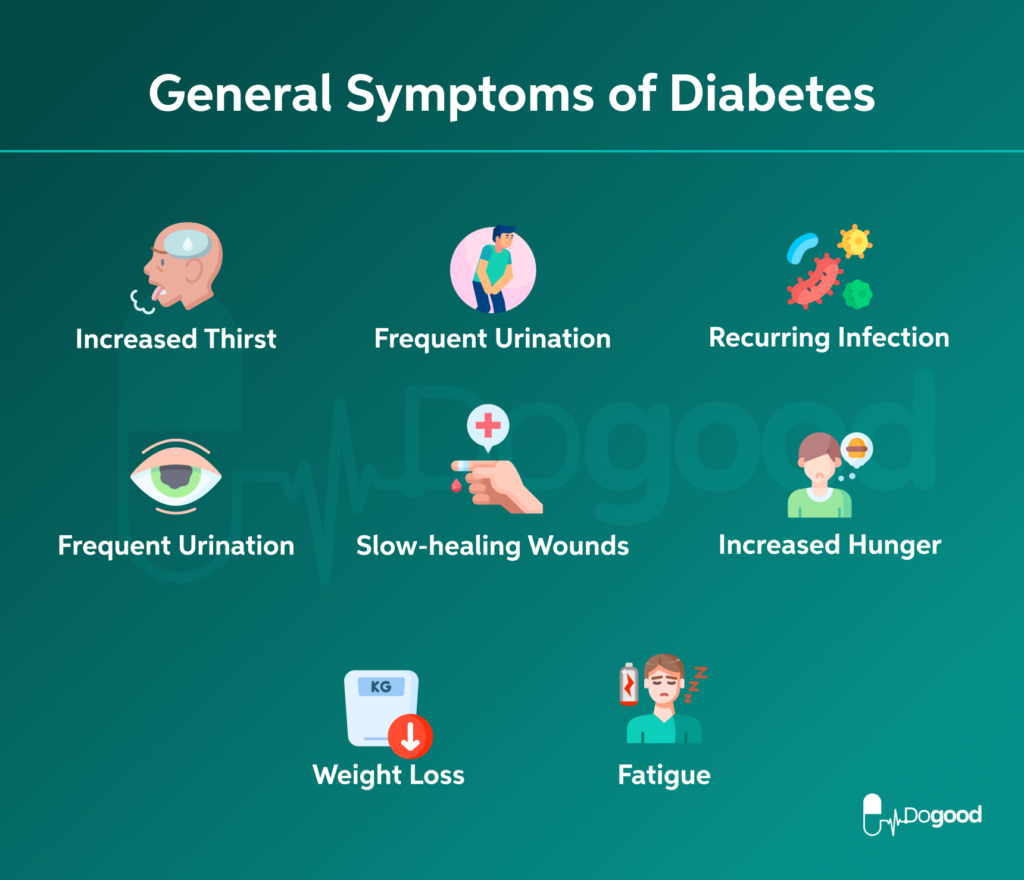
General Symptoms
The most common symptoms of diabetes include:
Increased thirst: You may find yourself feeling excessively thirsty, even after drinking plenty of fluids.
Frequent urination: You might notice that you’re going to the bathroom more often, especially at night.
Fatigue: Feeling unusually tired or worn out is a common sign of diabetes.
Blurred vision: High blood sugar levels can cause changes in the shape of your eye’s lens, leading to blurry vision.
Slow-healing wounds: Cuts and sores may take longer to heal than usual.
Unexplained weight loss: Despite eating normally or even more than usual, you might experience unintentional weight loss.
Increased hunger: You may feel hungry more often, even shortly after eating.
Recurring infections: You might experience frequent yeast infections or urinary tract infections.
Symptoms Specific to Type 1 Diabetes
Type 1 diabetes symptoms often develop quickly, typically over a few weeks or months. The most common signs include:
Rapid onset of symptoms: The 4Ts of type 1 diabetes (Toilet, Thirsty, Tired, Thinner) often appear suddenly and progress rapidly.
Extreme thirst and frequent urination: These symptoms are usually more severe in type 1 diabetes.
Sudden weight loss: Despite increased hunger, you may lose weight rapidly.
Diabetic ketoacidosis (DKA): This life-threatening complication can occur if type 1 diabetes is left untreated. Symptoms of DKA include:
Fruity-smelling breath
Nausea and vomiting
Abdominal pain
Rapid breathing
Confusion or drowsiness
If you experience these symptoms, seek immediate medical attention, as DKA requires urgent treatment.
Symptoms Specific to Type 2 Diabetes
Type 2 diabetes symptoms often develop more slowly and can be subtle. Many people with type 2 diabetes may not notice any symptoms for years. Some specific signs to watch for include:
Gradual onset of symptoms: Unlike type 1, type 2 diabetes symptoms typically develop slowly over time.
Darkened skin patches: You might notice dark, velvety patches of skin in body folds and creases, particularly around the neck and armpits. This condition is called acanthosis nigricans and can be a sign of insulin resistance.
Numbness or tingling: You may experience tingling or numbness in your hands or feet due to nerve damage caused by prolonged high blood sugar levels.
Frequent infections: Recurring skin, gum, or bladder infections can be a sign of type 2 diabetes.
Slow-healing wounds: Cuts and sores may take longer to heal, especially on the feet.
It’s important to note that some people with type 2 diabetes may not experience any symptoms at all. In fact, up to 6 out of 10 people have no symptoms when they’re diagnosed with type 2 diabetes. This is why regular check-ups and blood sugar screenings are crucial, especially if you have risk factors for diabetes.
If you notice any of these symptoms, it’s essential to consult your healthcare provider promptly. Early diagnosis and treatment can help prevent complications and improve your overall health and quality of life. Remember, diabetes is a manageable condition, and with proper care and lifestyle changes, you can lead a healthy, fulfilling life.
Causes and Risk Factors For Diabetes
Causes of Type 1 Diabetes
Type 1 diabetes occurs when your immune system attacks and destroys the insulin-producing beta cells in your pancreas. Scientists believe that both genetic and environmental factors play a role in triggering this autoimmune response. While the exact cause remains unknown, research suggests that certain viruses or environmental toxins may trigger the disease in individuals with a genetic predisposition.
The risk of developing Type 1 diabetes varies depending on family history. If you have no family history, your risk is approximately 0.4%. However, if your biological mother has Type 1 diabetes, your risk increases to 1% to 4%, and if your biological father has it, your risk is 3% to 8%. When both biological parents have Type 1 diabetes, the risk can be as high as 30%.
Causes of Type 2 Diabetes
Type 2 diabetes, the most common form of diabetes, results from a combination of factors. Unlike Type 1 diabetes, where the body doesn’t produce insulin, in Type 2 diabetes, your body either doesn’t make enough insulin or can’t use it effectively. This condition, known as insulin resistance, leads to elevated blood glucose levels.
Several factors contribute to the development of Type 2 diabetes:
Insulin Resistance: This occurs when cells in your muscles, fat, and liver don’t respond well to insulin, making it difficult for glucose to enter cells.
Genetics: Type 2 diabetes has a strong genetic component, with the disease tending to run in families.
Lifestyle Factors: Obesity, lack of physical activity, and an unhealthy diet high in simple carbohydrates and fats can increase your risk of developing Type 2 diabetes.
Age: The risk of Type 2 diabetes increases significantly around age 45 and rises considerably after age 65.
Risk Factors For Diabetes
Several risk factors increase your chances of developing diabetes, particularly Type 2 diabetes:
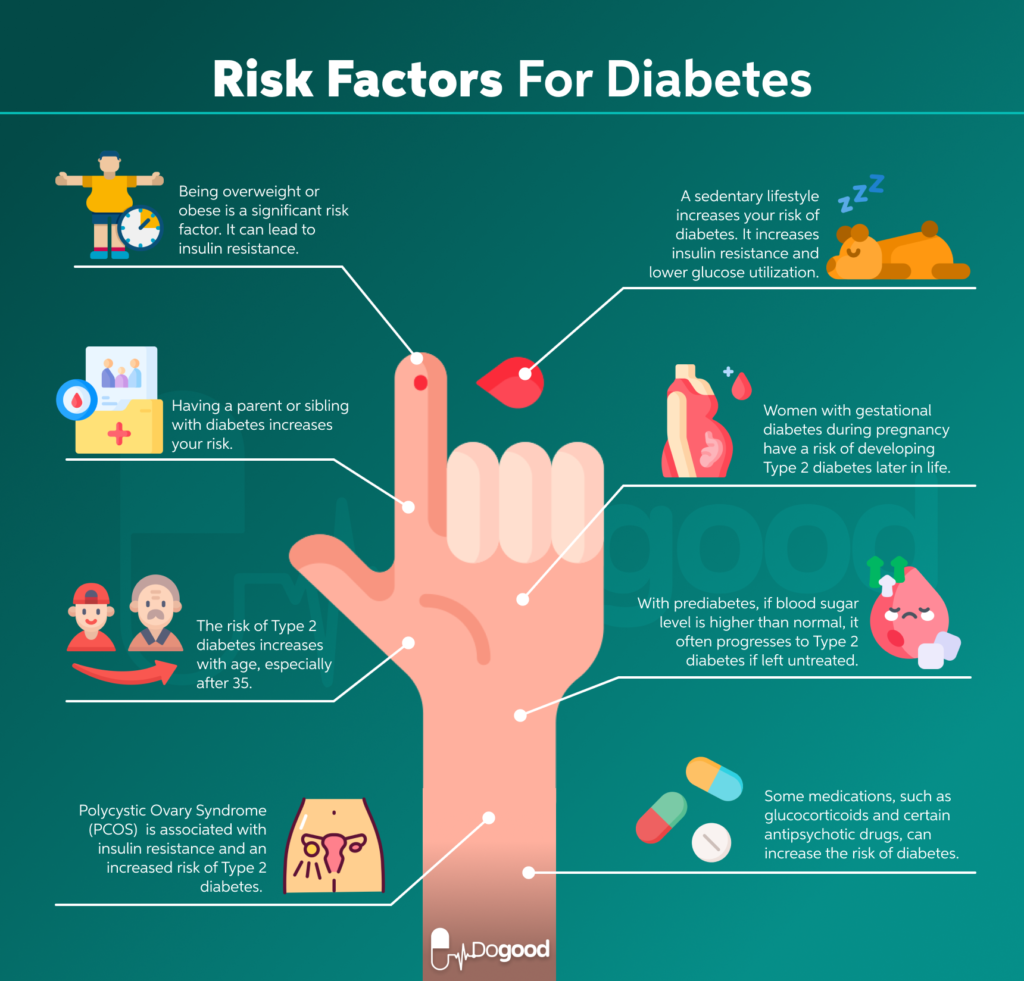
Weight: Being overweight or obese is a significant risk factor. Extra weight, especially around the abdomen, can lead to insulin resistance.
Physical Inactivity: A sedentary lifestyle increases your risk of diabetes. Regular physical activity helps lower insulin resistance and improves glucose utilization.
Family History: Having a parent or sibling with diabetes increases your risk.
Age: The risk of Type 2 diabetes increases with age, especially after 35.
Prediabetes: This condition, characterized by higher-than-normal blood sugar levels, often progresses to Type 2 diabetes if left untreated.
Gestational Diabetes: Women who had gestational diabetes during pregnancy have an increased risk of developing Type 2 diabetes later in life.
Polycystic Ovary Syndrome (PCOS): This condition is associated with insulin resistance and an increased risk of Type 2 diabetes.
Certain Medications: Some medications, such as glucocorticoids and certain antipsychotic drugs, can increase the risk of diabetes.
Understanding these causes and risk factors is crucial for early detection and prevention of diabetes. By maintaining a healthy weight, staying physically active, and managing other risk factors, you can significantly reduce your risk of developing Type 2 diabetes.
Diagnosing diabetes involves various blood glucose tests that help determine if your blood sugar levels are higher than the healthy range. These tests are crucial for early detection and management of diabetes.
Blood Glucose Tests
Several blood glucose tests are used to diagnose diabetes:
Fasting Blood Sugar Test: This test measures your blood glucose level after you’ve fasted for at least 8 hours. A fasting blood sugar level less than 100 mg/dL is considered normal. If your result is between 100 to 125 mg/dL, you have prediabetes. A level of 126 mg/dL or higher on two separate tests indicates diabetes.
Random Blood Sugar Test: This test can be done at any time, regardless of when you last ate. A blood sugar level of 200 mg/dL or higher suggests diabetes.
Oral Glucose Tolerance Test (OGTT): For this test, you fast overnight and then drink a sugary liquid. Your blood sugar levels are tested regularly for the next two hours. A reading of more than 200 mg/dL after two hours means you have diabetes. A result between 140 and 199 mg/dL indicates prediabetes.
A1C Test
The A1C test, also known as the glycated hemoglobin test, is a common blood test used to diagnose type 1 and type 2 diabetes. It measures your average blood sugar level over the past two to three months by determining the percentage of blood sugar attached to hemoglobin, the oxygen-carrying protein in red blood cells.
An A1C level of 6.5% or higher on two separate tests indicates diabetes. A result between 5.7% and 6.4% suggests prediabetes. Below 5.7% is considered normal.
The A1C test is particularly useful because:
It doesn’t require fasting.
It shows your average blood sugar level over time, rather than just at a single point.
It’s used to monitor how well your diabetes treatment plan is working if you’ve already been diagnosed.
Your doctor may recommend getting an A1C test twice a year if you don’t use insulin and your blood sugar level is consistently within your target range. If you take insulin or have trouble keeping your blood sugar level within your target range, you might need the test four times a year.
Gestational Diabetes Screening
If you’re pregnant, your doctor will likely test you for gestational diabetes between 24 and 28 weeks of pregnancy. This is because insulin resistance can increase during pregnancy, leading to higher glucose intolerance and the development of gestational diabetes in some pregnant individuals.
The most common screening method is a two-step approach:
Glucose Challenge Test: You’ll drink a syrupy glucose solution. One hour later, you’ll have a blood test to measure your blood sugar level. A result of 140 mg/dL or higher indicates the need for further testing.
Follow-up Glucose Tolerance Test: If the glucose challenge test shows high blood sugar levels, you’ll undergo a three-hour glucose tolerance test to confirm the diagnosis.
It’s important to note that gestational diabetes usually goes away after pregnancy. However, it increases your risk of developing type 2 diabetes later in life, so your doctor will likely recommend regular diabetes screening after your baby is born.
Remember, early diagnosis of diabetes is crucial for effective management and prevention of complications. If you experience symptoms of diabetes such as excessive thirst, frequent urination, or unexplained weight loss, don’t hesitate to consult your healthcare provider for appropriate testing.
Managing diabetes involves a comprehensive approach that includes lifestyle changes, medications, and regular monitoring of blood glucose levels. The goal is to keep your blood sugar within a healthy range to prevent complications and improve your overall quality of life.
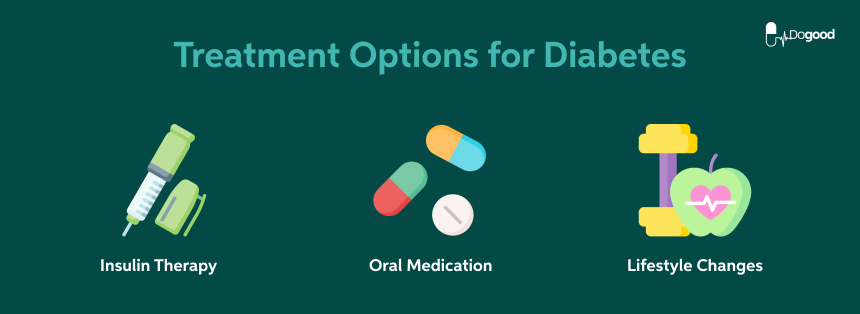
Insulin Therapy
For people with type 1 diabetes and some with type 2 diabetes, insulin therapy is a crucial part of treatment. Insulin helps your body use glucose for energy and regulates blood sugar levels. There are several types of insulin available, each with different onset times, peak effects, and durations:
Rapid-acting insulin: Starts working within 15 minutes, peaks in 1 hour, and lasts for 2 to 4 hours.
Short-acting insulin: Reaches the bloodstream in 30 minutes, peaks within 2 to 3 hours, and lasts 3 to 6 hours.
Intermediate-acting insulin: Begins working in 2 to 4 hours, peaks in 4 to 12 hours, and lasts 12 to 18 hours.
Long-acting insulin: Starts to work a few hours after injection and works for about 24 hours or longer.
Your healthcare provider will work with you to determine the best insulin regimen based on your individual needs, lifestyle, and blood glucose patterns.
Oral Medications
For many people with type 2 diabetes, oral medications play a significant role in managing blood glucose levels. Some common classes of oral diabetes medications include:
Metformin: Often considered the first-line treatment for type 2 diabetes, metformin helps lower blood glucose levels by decreasing the amount of glucose produced by the liver.
Sulfonylureas: These medications stimulate the pancreas to release more insulin, helping to lower blood sugar levels.
DPP-4 inhibitors: These drugs help improve A1C (a measure of average blood glucose levels over two to three months) without causing hypoglycemia (low blood sugar).
SGLT2 inhibitors: These medications work in the kidney to increase glucose excretion in the urine, leading to lower blood sugar levels.
Thiazolidinediones: These drugs help insulin work better in the muscle and fat tissues and reduce glucose production in the liver.
Your healthcare provider may prescribe a combination of these medications to achieve optimal blood glucose control.
Lifestyle Changes
In addition to medication, making lifestyle changes is crucial for managing diabetes effectively. Some key lifestyle modifications include:
Healthy eating: Follow a balanced diet that includes a variety of fruits, vegetables, whole grains, lean proteins, and healthy fats. Carbohydrate counting and the plate method are two common approaches to meal planning for people with diabetes.
Regular physical activity: Aim for at least 150 minutes of moderate-intensity aerobic activity per week. Exercise helps your body use insulin more effectively and can lower blood sugar levels.
Weight management: If you’re overweight, losing even a small amount of weight can have a significant impact on your blood sugar control. People who are overweight and lose as little as 7% of their body weight can decrease their risk of diabetes by more than 50%.
Stress management: Find ways to manage stress through relaxation techniques, hobbies, or activities that help you unwind.
Quitting smoking: If you smoke, quitting can help reduce your risk of diabetes-related complications.
Limiting alcohol consumption: If you choose to drink, do so in moderation and be aware of how alcohol affects your blood sugar levels.
Remember, the treatment plan for diabetes is highly individualized. Your healthcare provider will work with you to create a personalized approach that takes into account your specific needs, preferences, and health status. Regular check-ups and monitoring of your blood glucose levels are essential to ensure your treatment plan remains effective over time.
Understanding diabetes and its impact on your health is crucial to managing this chronic condition effectively. By recognizing the symptoms, understanding the causes and risk factors, and knowing the various treatment options available, you can take control of your health and lead a fulfilling life with diabetes. Regular check-ups, blood sugar monitoring, and lifestyle changes play a key role in keeping your blood glucose levels in check and preventing complications.
Remember, you’re not alone in this journey. Healthcare professionals, support groups, and educational resources are available to help you navigate life with diabetes. To gain more insights and support, consider joining the lifewithdiabetes program. With the right knowledge, tools, and support system, you can thrive despite diabetes and enjoy a healthy, active lifestyle.
FAQs
What are the symptoms, causes, and treatments for diabetes?
The primary cause of diabetes remains largely unknown, but it generally involves elevated blood sugar levels due to insufficient insulin production by the pancreas. Both Type 1 and Type 2 diabetes might stem from genetic and environmental factors.
What is a significant symptom of diabetes?
Many individuals with diabetes commonly experience increased thirst, frequent urination, fatigue, and weight loss. For a more detailed understanding of diabetes symptoms and their origins, consider watching educational videos on the topic.
How are diabetes symptoms managed?
While Type 2 diabetes cannot be cured, its symptoms can be managed through weight loss, a healthy diet, and regular exercise. If these measures are insufficient, diabetes medications or insulin therapy may be necessary.
What causes diabetes and what are the treatment options available?
Diabetes treatment typically involves insulin or other medications. Healthy lifestyle choices such as a balanced diet, regular physical activity, adequate sleep, and stress management are crucial. There are also other treatment options available to help manage this condition.